However, a recent meeting made it plain that business had better find it worthwhile, and quickly.
The old Regional Development Agencies (RDAs) are being replaced by 36 voluntary organisations called Local Enterprise Partnerships (LEPs) that are without any funds of their own, having to bid for pots of money to gain investment. Six seats on a board of eight will be for business, with one reserved for the local authority and another for an educational body.
Doug Morrison, port director of ABP Southampton and chair of the new Solent LEP told MJ, “It is obvious after Round 1 of the Regional Growth Fund bidding, government has not been listening to the needs of the south, parts of which can be every bit as impoverished as the north of the UK. The ports here are the natural gateways to the whole economy, ignore us at your peril.
“If this LEP doesn’t deliver what it needs to, businesses won’t be involved in it for very long. We all have too much to do in our day jobs.”
Paul Wickes CEO of Cornwall Marine Network, said that exactly how the hole being left by the old RDA’s will be filled is “uncertain”.
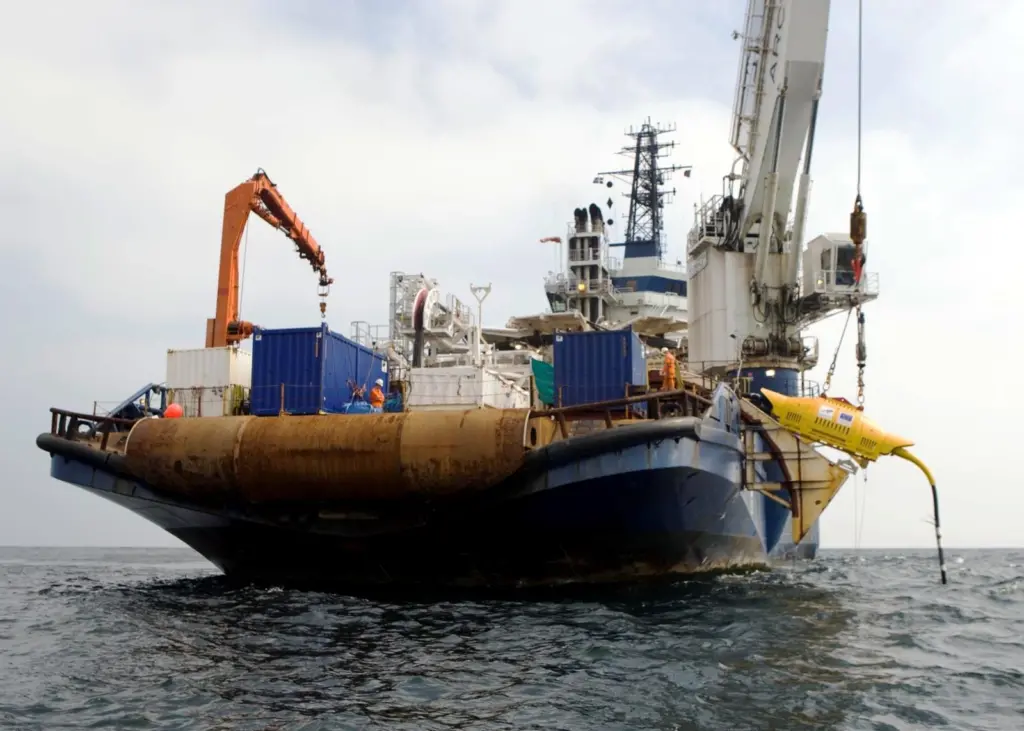
“These RDAs were involved with the larger end of the UK’s infrastructure, in particular in Cornwall they gave us the excellent opportunity that the Wave Hub ‘socket’ provides for alternative energy.”
But, he said, apart from helping to set up specialist arms like Marine Southwest and Marine Southeast which supported bespoke marine skills centres and kick started local marine networks, they didn’t then do a great deal for smaller businesses. “In an area like ours, small, even micro-businesses, make up 86% of the total volume of businesses.”
He pointed out however that these not for profit marine networks may prove to be a blessing for the smaller businesses which will need to put their point across to the big organisations. They could be a valuable counterbalance, as with the need for the LEPs to sustain themselves with private funding, big businesses might be able to swing too much of the agenda their way simply because they have deeper pockets than smaller entities.
But Iain Shepherd chair of Marine South East said that actually, it is not balance that’s the problem. “Everyone is on a limited timescale. If the LEPs can do something, and do it quickly, then we will be able to go forward. If we can’t deliver, then they will die because businesses, which are the heart of this, simply won’t think it worthwhile continuing to make the effort.”
Mr Wickes is optimistic however and said, “It would be too easy to treat the new LEPs with suspicion, but it’s the only show in town. With good people and the right support structure, we have to give it a go.” He added that the Cornwall Marine Network will be actively supporting the new board in Cornwall “to ensure the voice of marine businesses are heard”.