Pew’s annual reports are developed for public information and educational purposes, updating their reports tracking 2009 to 2012 clean energy investment in developed and developing countries making up the Group of 20.
The report is of a global nature, covering a wide scope of the general subject of clean energy including renewables. They find that clean energy investment in the region covering Europe, Middle East and Africa markets plummeted in 2013 for the second year in a row, falling 42% during the year to levels not seen since the mid-2000s. This region had been the world’s most attractive clean energy market over the past decade with a record $115bn in 2011. But investment has since plummeted, tumbling to $55bn in 2013, less than half that of 2011 levels.
Most of Europe’s major clean energy markets decreased in 2013, year-over-year investments down 55% in Germany, 75% in Italy, and 84% in Spain. Investment increased only in the UK, as large, offshore wind projects gained financing with several completed. Overall, declines in the European region accounted for much of the reduction in global clean energy investment. In contrast, steady growth in clean energy investment in the Asia and Oceania region continued apace in 2013, overall levels increasing 10% to $102bn.
Wind sector investments held relatively steady in 2013, falling 1% to $73.5bn. Financing dropped significantly in Turkey and Brazil, offset by gains in Canada and the UK. China continued to attract the largest share of wind energy investment, accounting for 38% of the global total.
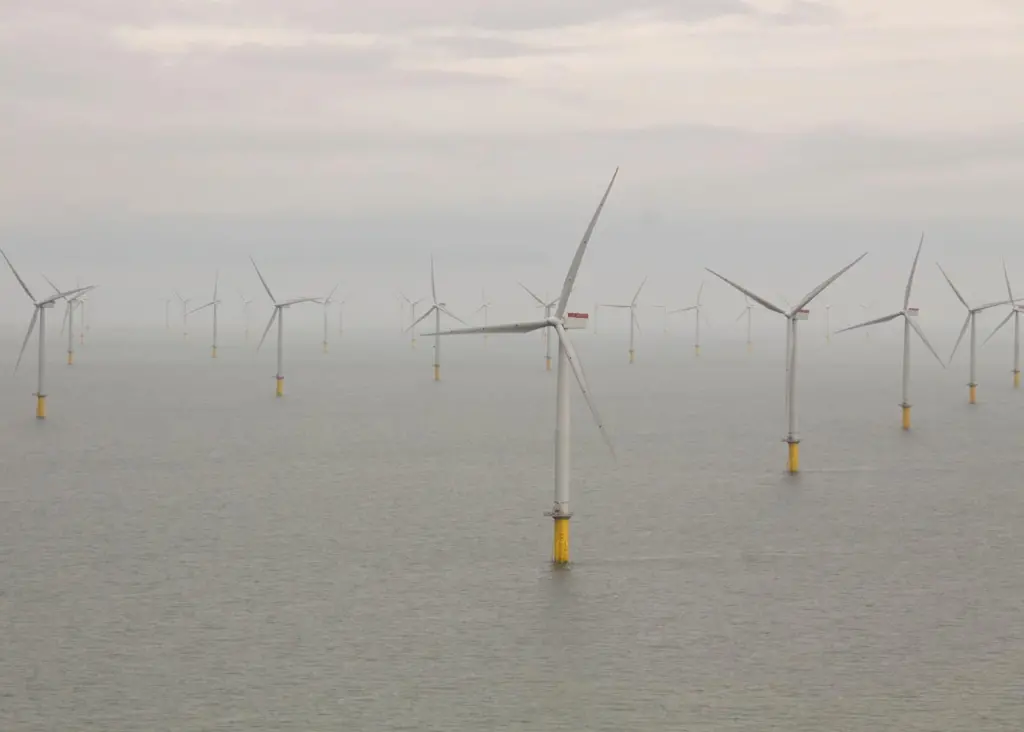
Although investments dropped by 40% or more in Germany, Spain, Italy, and France, the UK experienced 13% growth in clean energy investment (one of only three G-20 countries with investment gains last year). Most of this growth came in the wind sector, in which investment levels increased by nearly 50% to $5.9bn on the strength of offshore wind projects and increased activity in public market financing. The world’s largest offshore wind project, London Array, was completed in 2013, along with several other large projects, with major financing secured for the 210MW Westermost Rough Offshore Wind Farm.
Another European related finding is that for much of the past decade, Germany’s feed-in tariffs have driven deployment of solar and wind technologies, which now provide more than 20% of the country’s power. But government austerity and pressure from consumers and industry about the impact of high electricity prices spurred the government to initiate policy changes in 2013 and curtail clean energy incentives. Investment fell 55% from 2012 levels, to $10bn and Germany dropped from third to sixth place among G-20 nations.
By Peter Barker