The classification society said that the new methodology resulting from the report can be adjusted to suit newbuilds still in the design phase or operating ships and is designed to help managers make the most out of their Ship Energy Efficiency Management Plans.
“Ship operations and environmental legislation have become more complex, and it has become increasingly difficult to assess or even define efficiency with consistency and accuracy,” said Rune Torhaug, Director, Strategic Research & Innovation, DNV GL.
The new methodology is based on the use of ‘exergy’, sometimes called available energy, which is a metric for describing the maximum useful energy that can be derived from a process, component or system.
Using both on board measurements and the DNV GL modelling suite COSSMOS, energy losses throughout the ship including hull, propulsion power train, machinery and electrical systems are quantified and ranked. Even difficult to capture processes such as throttling and fluid mixing can be incorporated. The report also includes an analysis of a waste heat recovery system.
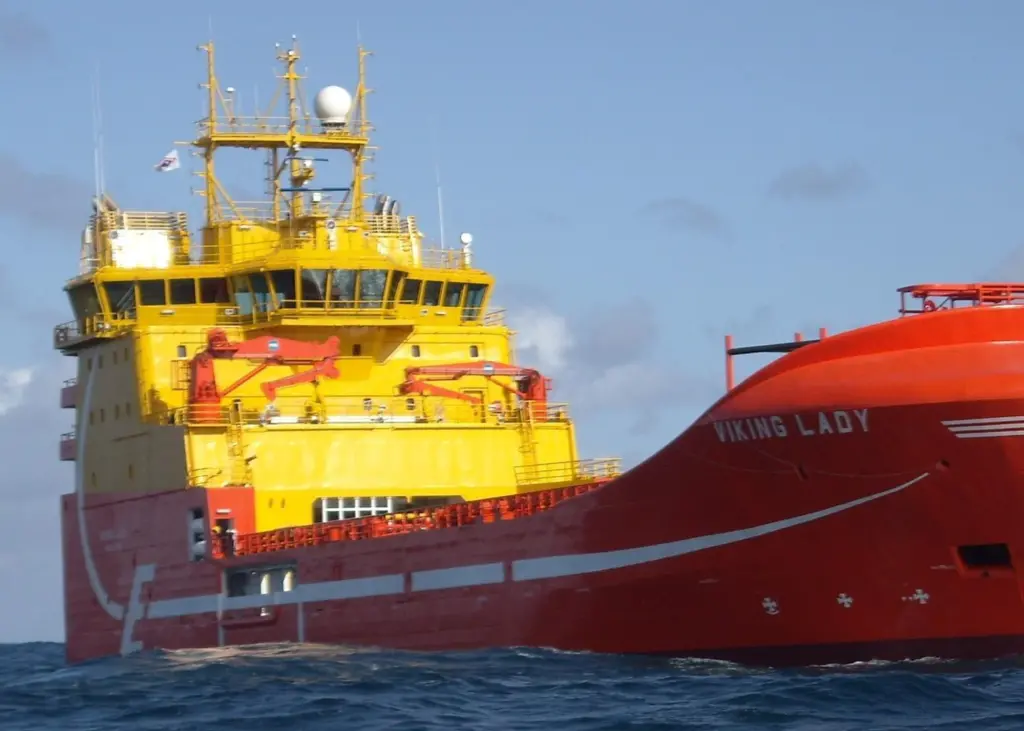
A second study examined the fuel pre-processing sub-system for the marine fuel cell on board the offshore supply vessel Viking Lady. This resulted in a solution capable of a remarkable 50% reduction in exergy losses.
With this ‘common currency’ for efficiency, DNV GL said it can provide a formula for energy management that will work for all ships, and all system and components that convert energy on board.
This offering ship managers an unparalleled way of prioritising investment in different technology alternatives or new operational strategies.