Grant programme, Supply Chain Innovation for Offshore Renewable Energy, awarded more than £50,000 to GEV Offshore, enabling it to take its new structure for the offshore renewable sector to the next phase.
“The appointment of a full time, dedicated project director wouldn’t have been possible without SCORE funding and having successfully recruited for the position, the project is now moving ahead at a very exciting pace,” said David Fletcher, managing director, GEV Group.
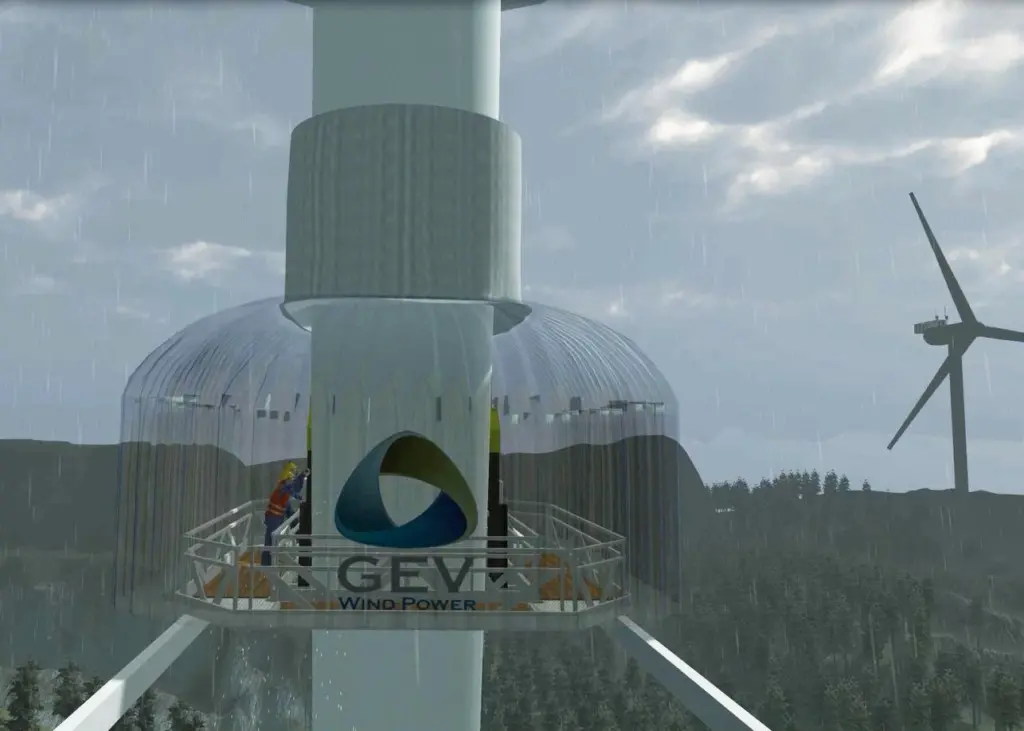
The structure has been developed by GEV to help windfarm operators significantly reduce the number of cancelled ‘down’ days in the sector that are used to maintain, inspect and repair wind turbines – a critical component of the industry. According to GEV, over 50% of these cancelled days are a result from adverse weather conditions, and with new turbines getting larger and further offshore, this challenge is only going to increase, and downtime costs rise.
“Habitat structures have worked well in the oil and gas sector for many years and we decided to migrate the idea across to offshore wind. Wind speeds, rain, temperature and humidity all significantly impact on an engineer’s ability to complete scheduled maintenance,” explained Mr Fletcher.
Making things even harder for the windfarm operator is the length of time it takes to physically get an engineer out to a windfarm, which is often a round trip of several hours, meaning the window of opportunity available to undertake any maintenance is extremely narrow anyway.
“Our offshore habitat structure will mitigate the weather risk and enable engineers, once on-site, to work unhindered in a controlled environment,” Mr Fletcher added.
Visitors to the RenewableUK show will be the first to experience the structure in action through GEV’s virtual reality simulation.
GEV says it plans to undertake field trials in Q1 2015, and is looking for to partner with turbine manufacturers with a view to including the habitat structure as an integral element of next generation turbines.
By Rachael Doyle