![MaritimeJournal[Seawork]](https://www.maritimejournal.com/wp-content/uploads/2026/09/MaritimeJournalSeawork.svg)


Cold ironing confirmed for Italian ports
Nidec ASI is to lead the projects to electrify the quays at two passenger ports at Genoa and Savona.
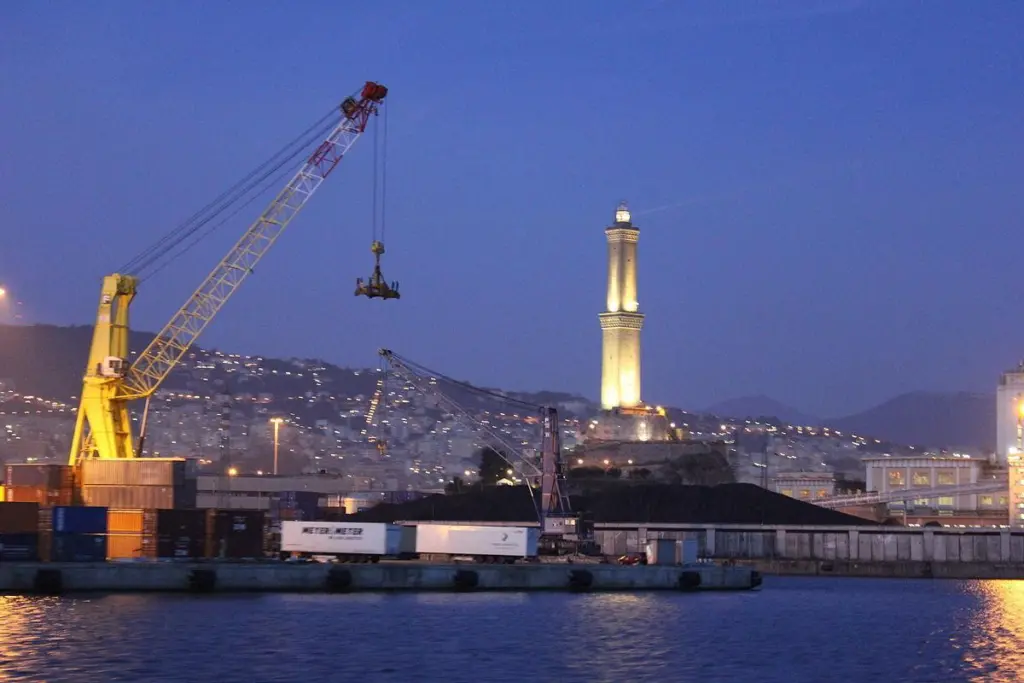
With an EU recommendation that ports adopt shore-to-ship systems becoming binding in 2025, there could be a lot of work ahead for Nidec in this vein.
The whole aim is to cut vessel emissions while in port while maintaining heating and air conditioning and other necessary systems on board.
Works will include moving breakwaters, providing access to railway terminals, restructuring the port moorings as well as the cold ironing.
”Thanks to the innovative electric power supply systems for ships developed by Nidec ASI in Genoa and Savona, it will be possible to reduce emissions and noise pollution with positive impacts on inhabitants and tourists in the areas bordering the two Ligurian ports, which are both located inside the cities, while at the same time having minimal impact on the operation of the ports,” says Nidec.
”In Genoa, the project envisages Nidec ASI building six berths which will allow the cruise ships and ferries docked at the port to switch off their on-board generators, connecting to the electricity grid to meet their operational needs. In order to adapt the voltage and frequency of the power supply network to what the ships require, a conversion system consisting of distribution panels, transformers and converters that will allow the ships to be powered simultaneously will be implemented.
”In Savona a cold ironing system similar to that of Genoa will be developed for the cruise port, with a converter which will allow one ship to be powered at a time. For both projects, an automation, monitoring and control system will allow meeting all safety regulations.”
“We are pleased to continue collaborating with the Western Ligurian Sea Port Authority by providing the most advanced technology, thanks to 40 years of experience in the construction of conversion systems,” said Nidec CEO Dominique Llonch. ”And we have many other initiatives in the pipeline: we are in fact participating in all the tenders in the Mediterranean area for the development of electrification systems.”
The two projects will cost in the region of €26 million, Nidec says.

Related Articles
 SEAWORK NEWS
 INDUSTRY NEWS
 OTHER NEWS