![MaritimeJournal[Seawork]](https://www.maritimejournal.com/wp-content/uploads/2026/09/MaritimeJournalSeawork.svg)



Four tug crew killed as Iran war traps Van Oord dredgers
Four tug crew have been killed, at least two of Van Oord’s dredgers are stuck in the Persian Gulf and a major maritime show has been postponed as the war involving Iran enters its second week.
The UAE-flagged salvage tug Mussafah 2 was hit by two missiles on 6 March while attempting to assist the damaged container ship Safeen Prestige around six nautical miles north of Oman, according to media reports.
At least four crew members were killed and three were seriously injured, according to the International Maritime Organisation. Some early reports put the death toll as high as eight.
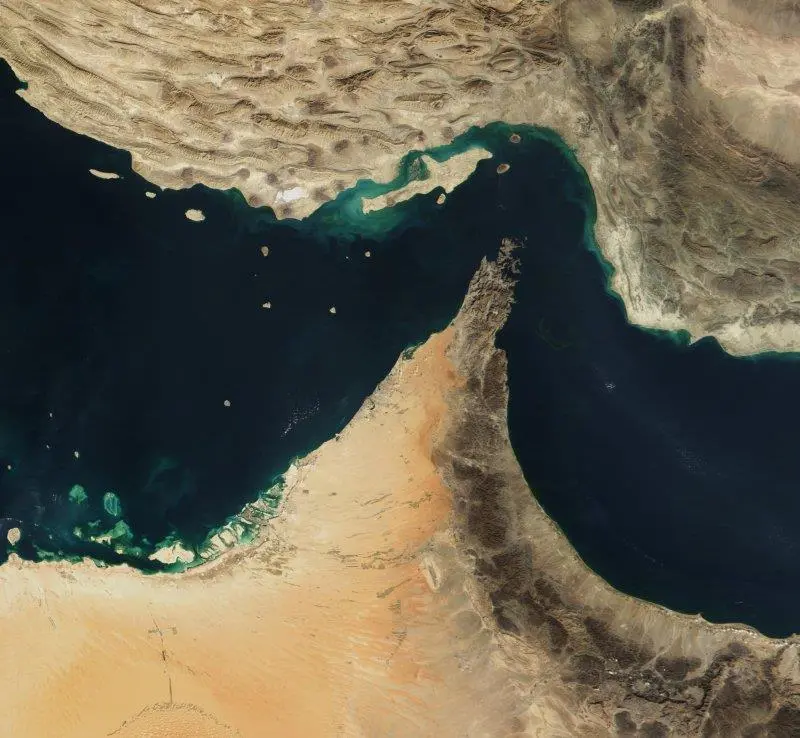
Following strikes on Iranian targets by the United States and Israel, Iran has blocked passage through the Hormuz Strait. Maritime data showed crossings dropping to almost zero for several days as operators pulled ships from the area in response to missile, drone and mining threats.
Smaller vessels such as tugs, dredgers and offshore support ships face disproportionate risk: they move slowly, operate close to shore or alongside damaged ships, and cannot easily withdraw from project sites.
Van Oord vessels stranded
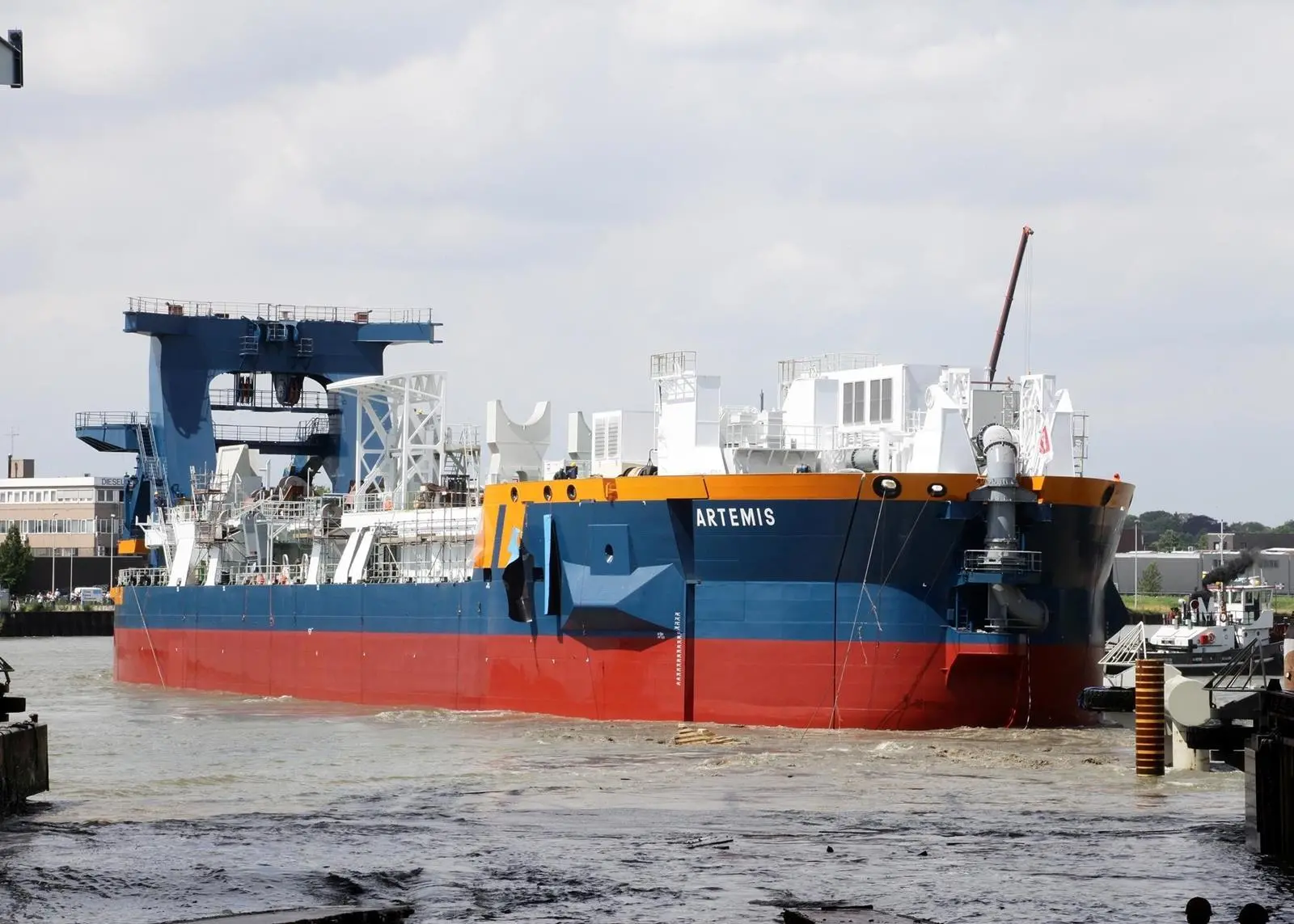
Dutch dredging giant Van Oord is among the contractors most exposed to the disruption. Without specifying the number of vessels or crew trapped, although media reports claim the two dredgers Artemis and Rotterdam are trapped, Van Oord confirmed to Maritime Journal that it had been affected.
“We have been closely monitoring the situation in the Middle East since the escalation of the conflict on 28 February 2026,” the spokesperson said. “The large-scale attacks have caused significant tensions and disruptions to air and maritime traffic in the region where we operate.
“The safety of our colleagues in the region and on board our vessels is our highest priority, and we are in daily contact with them. Based on the latest information, our people are currently safe. We hope the situation does not escalate further.
“Our Emergency Response Team meets regularly, and we continue to track all developments carefully. We are conducting ongoing risk assessments and remain in close contact with international maritime safety agencies, government bodies, local authorities and our partners in the region, and we are following their guidance.
“We cannot share any further details at this time.”
Rotterdam is a 186m trailing suction hopper dredger that was built in 2001. Artemis is a self-propelled cutter suction dredger, the largest cutter in Van Oord’s fleet.
Unlike merchant ships that can reroute around the Cape of Good Hope, dredgers and offshore construction vessels are tied to fixed project sites and can’t simply sail away.
Nearly 100 Dutch vessels affected
The Dutch shipowners’ association KVNR (Koninklijke Vereniging van Nederlandse Reders) says close to 100 Dutch-affiliated vessels are currently in the area, with more than 500 crew on board including more than 100 Dutch nationals.
Responding to a request from Maritime Journal for comment, a KVNR spokesperson said: “The security circumstances in the Persian Gulf, the Strait of Hormuz, and surrounding waters continue to be highly unpredictable due to the ongoing conflict in the region. Ensuring the safety of ships and their crews remains the top priority.
“At present, there are close to one hundred Dutch-affiliated ships in the area, carrying more than 500 crew members, including over 100 Dutch nationals. As far as we are aware, none of these Dutch-owned ships have been affected. Several ships are anchored in the region. The situation also affects commercial operations, including offshore activities and the transport of vital commodities such as oil and LNG. Many shipowners have paused voyages toward the region, as rerouting is not a viable option.
“It is a breach of Mare liberum (conceived by Dutch philosopher and diplomat Hugo de Groot in 1609, which states that the oceans must be accessible to everyone for trade and travel).
“We continue to stay in close contact with shipowners and monitor developments carefully.”
The insurance market has also reacted sharply. Marine insurers have withdrawn or significantly increased war-risk cover for vessels operating in or transiting the Gulf, creating further financial pressure on offshore contractors already dealing with halted project activity and crew safety concerns.
Dubai Boat Show postponed
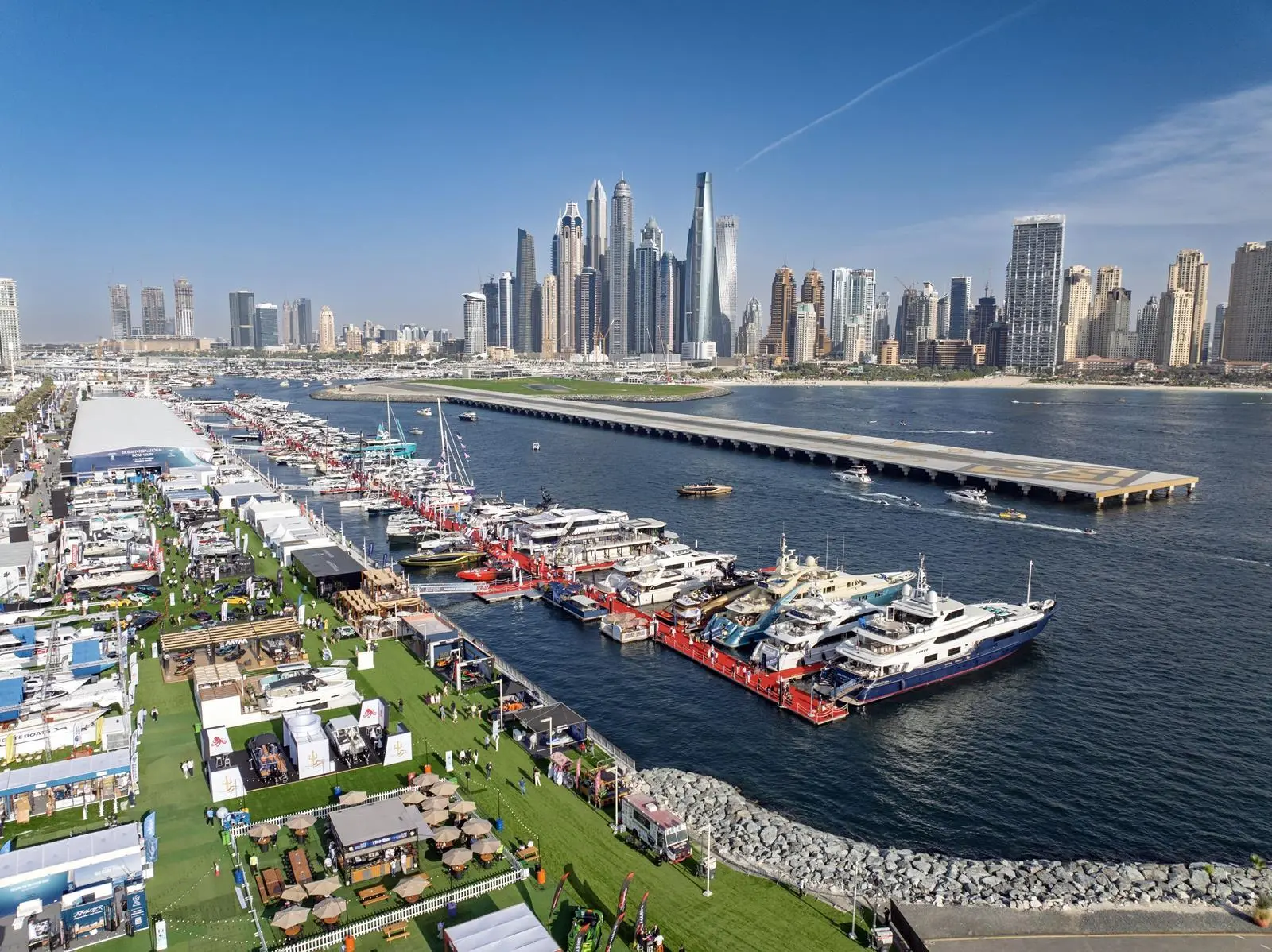
The war has also led to the postponement of the Dubai International Boat Show, one of the biggest in the world.
The Dubai World Trade Centre announced that the event, originally scheduled to open on 8 April, will now take place on 25-29 November at the Dubai Harbour venue.
In a statement to exhibitors and partners, the organisers cited international travel dynamics and market conditions across the wider region, saying the decision had been made following consultations with industry partners and the authorities.