![MaritimeJournal[Seawork]](https://www.maritimejournal.com/wp-content/uploads/2026/09/MaritimeJournalSeawork.svg)


Rescue guidance bridges training gap
New guidance on lifeboat and rescue boat operations aims to fill the gap between training and reality by providing potentially lifesaving insights into the realities of handling a lifeboat, MOB boat or fast rescue boat in all conditions.
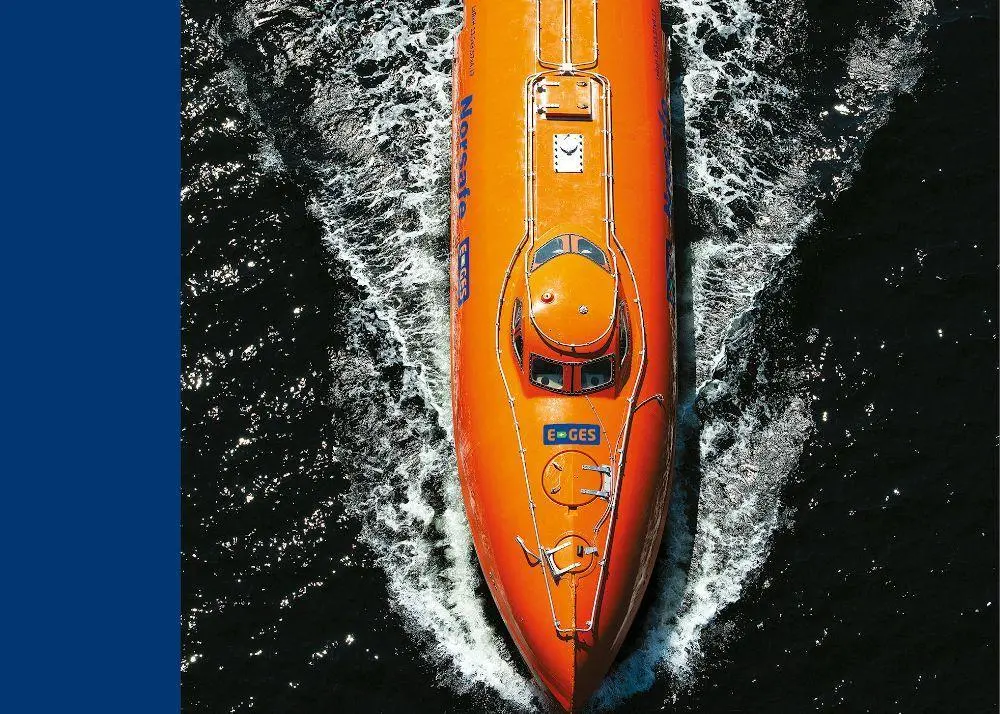
‘Driving Lifeboats and Rescue Boats’, written by expert navigator Dag Pike and published by The Nautical Institute, explains boarding preparations, leaving the ship’s side and how to handle small craft in following seas, beam seas, head seas, fog, ice and darkness.
“There is no easy way to abandon ship,” writes Mr Pike, a Maritime Journal contributor. The author is one of the most experienced navigators in the world and speaks from experience, having been shipwrecked twice in the Atlantic.
Highlights challenges
Even when rescue is at hand the boat’s crew will need to transfer passengers to the ship. Mr Pike highlights how the task is made harder by the unsatisfactory design of many modern lifesaving craft.
He also discusses the different driving techniques needed for the fast boats used to rescue people in the water and to tow liferafts.
The book, a sequel to 2017’s ‘Launch and Recovery of Boats from Ships’, is illustrated with numerous photographs and clear diagrams.
Mr Pike has vast experience on the subject of handling small craft in emergencies and challenging conditions.
After serving as Captain of Trinity House lighthouse tenders, he went on to become an Inspector of Lifeboats with the UK’s Royal National Lifeboat Institution and was responsible for around 50 lifeboat stations.
By Rebecca Jeffrey

Related Articles
 ACCESSORIES & EQUIPMENT
 OTHER NEWS
 ACCESSORIES & EQUIPMENT