![MaritimeJournal[Seawork]](https://www.maritimejournal.com/wp-content/uploads/2026/09/MaritimeJournalSeawork.svg)




Offshore energy kite project progresses
A US wind energy company has completed two offshore flights of its in-development energy kite over the North Sea as demand for renewable energy rises.
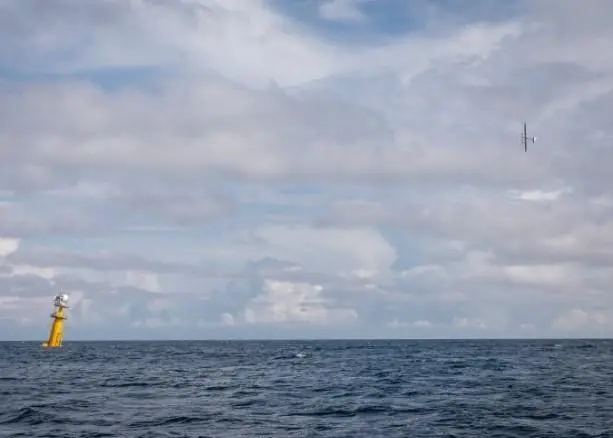
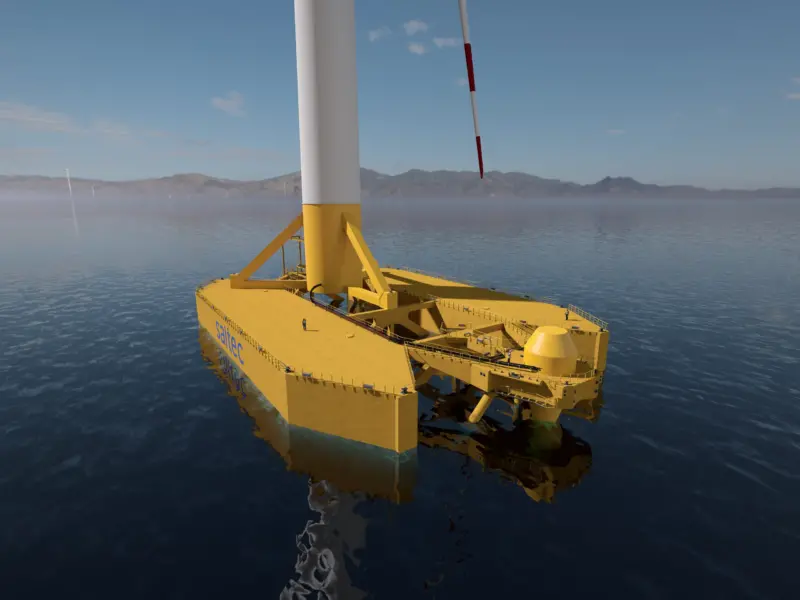
Makani launched the flights from a floating platform with partner Shell at Norway’s Metcentre. The first quick flight included a launch, hover away from the perch, and an autonomous landing. The second, longer-duration test, demonstrated robust crosswind flight.
Fort Felker, CEO of Makani, said: “Makani’s successful autonomous flight from a floating platform demonstrates that this new offshore wind power technology works. We also verified the capability of our simulation tools, confirming that we can use our models to develop system changes as we increase our commercial readiness.”
The low mass of our kite and our correspondingly-low materials and installation costs make it possible for Makani’s airborne wind power system to take advantage of existing infrastructure and supply chains. This means energy kites can be deployed from small and medium-sized ports around the globe, without the need for specialized vessels or massive cranes.
Before the flights were conducted, Makani had to integrate its base station with a floating platform, marinise its hardware, and extend its autonomous flight controls system to handle flight from a moving base station.
The company said that, once commercialised, Makani’s kites can economically access stranded wind resources at sea and have the potential to bring power to hundreds of millions of people living along the world’s coastlines where the wind is strong and steady, but the water is too deep to fix wind turbines to the ocean floor.

Related Articles
 OFFSHORE RENEWABLES
 OFFSHORE RENEWABLES
 ENVIRONMENT