![MaritimeJournal[Seawork]](https://www.maritimejournal.com/wp-content/uploads/2026/09/MaritimeJournalSeawork.svg)




Propelling boats with no moving parts
A mind-bendingly novel system for powering boats, that uses electrical induction and hence no moving parts, is under development in Italy writes Dag Pike.
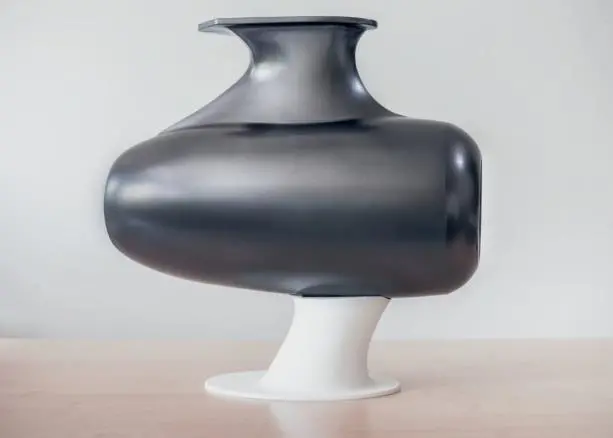
The innovative Deep Speed electric water jet was introduced at the Genoa Boat Show last year but with little information about its technology and effectiveness. Now a video has been released of trials with this propulsion system in a test tank that demonstrate its effectiveness.
Although details of the technology involved in the Deep Speed jet have not been released, it is thought that this jet has no moving parts and accelerates the water passing through the jet by means of electrical induction. As such it marks a major step forward in marine propulsion.
Being electrically powered means that the Deep Speed system offers excellent ‘green’ credentials and provided that it offers a good level of efficiency in converting electrical power into thrust then this could be a significant development in the quest for cleaner boat propulsion. The silence of the system could be of great interest for military applications, and the lack of moving parts could have benefit to vessels used around swimmers or wildlife.
As currently developed the Deep Speed propulsion unit is a straight through propulsor with water entering at the front end and being accelerated to create a jet that exits at the rear. By being incorporated into an azimuthing unit the Deep Speed could offer all the benefits of a pod drive system without any external rotating parts.
The demonstration test was carried out in a circular tank with the unit supported so that the propulsor unit was just under the water surface. Apparently with 160hp of power fed into the unit the video shows the water in the tank going through a very active circular motion, indicating the thrust from the jet. Reverse could be achieved simply by reversing the position of the azimuthing drive unit.
Further development is taking place but this demonstration is the first to show the unit actually operating in the water.