![MaritimeJournal[Seawork]](https://www.maritimejournal.com/wp-content/uploads/2026/09/MaritimeJournalSeawork.svg)




Using recycled batteries in charging stations
Stena is now developing a new type of energy storage using recycled automotive batteries to provide quick shoreside charging of electric ferries.
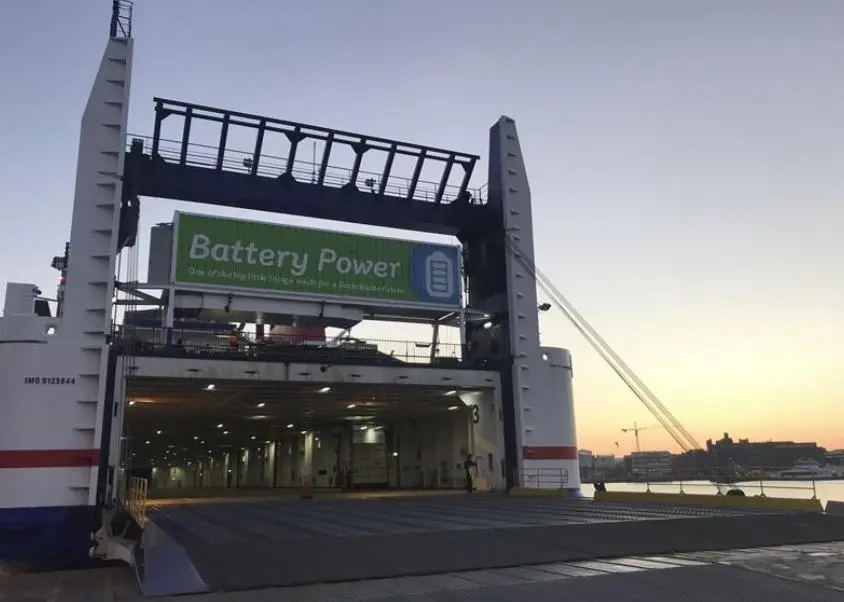
The project is part-financed by the EU and will, among other things, investigate how used batteries from the transport sector can be reused for energy storage in ports.
“An incredible amount is happening in the world of batteries. New solutions are being designed to meet the charging requirements of the transport sector of the future, especially for shipping where vessels are starting to switch to electric power. Rapidly charging a large ferry, for example, requires a huge amount of energy in a short time and it’s not certain that the electricity grid will be able to deliver it. Local energy stores at ports could offer a great solution to this problem”, says Rasmus Bergström, Managing Director of Batteryloop.
Batteryloop is a subsidiary of the Stena Recycling Group. The company has quickly made an impact in electrification, not least in the recycling of used batteries from the automotive industry. A global collaboration agreement was recently signed with Volvo Buses, for the reuse of batteries from its electric vehicles.
“One thing is sure, batteries are here to stay. In order to conserve natural resources and make battery recycling sustainable, we need to do everything we can to use batteries for as long as possible. Our conclusion is that many batteries can have a second life as energy storage. If we can find solutions that will scale-up and work in ports, we’ll have a win-win situation in many ways”, says Rasmus Bergström.
The project will map and evaluate opportunities to reuse lithium-ion batteries from the transport and automotive industry for energy storage in ports – to charge electric ferries, for example. The collaboration includes several Stena companies – Batteryloop, Stena Recycling, Stena Rederi and Stena Line – the ports of Gothenburg and Kiel and the accreditation company DNV GL. The project will be carried out over two years and be part-financed by INEA, the EU’s Innovation and Networks Executive Agency.
As early as 2018, Stena Line began its investment in battery power on the ferry Stena Jutlandica, which uses battery power to drive the bow thrusters that steer the vessel into port.
By Jake Frith