



Marine Bill MMO could revive Dibden Bay
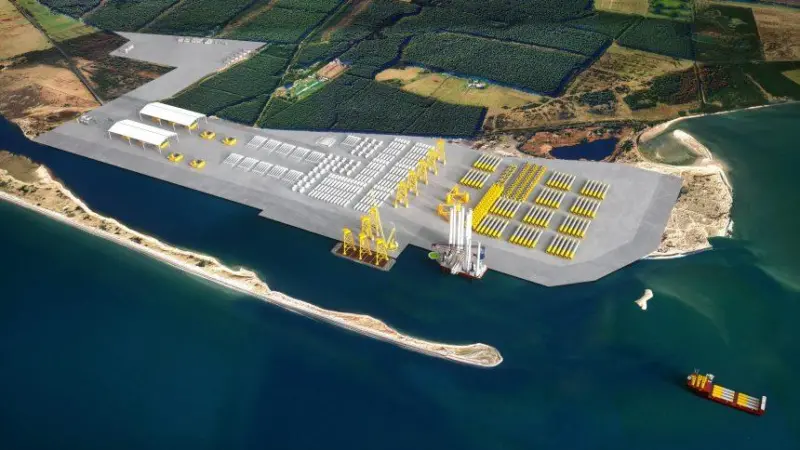
The Port City Futures conference in Southampton heard last week that the Dibden Bay Container Terminal plan could be revived by the Marine Management Organisation (MMO), which will be set up by the current Draft Marine Bill.
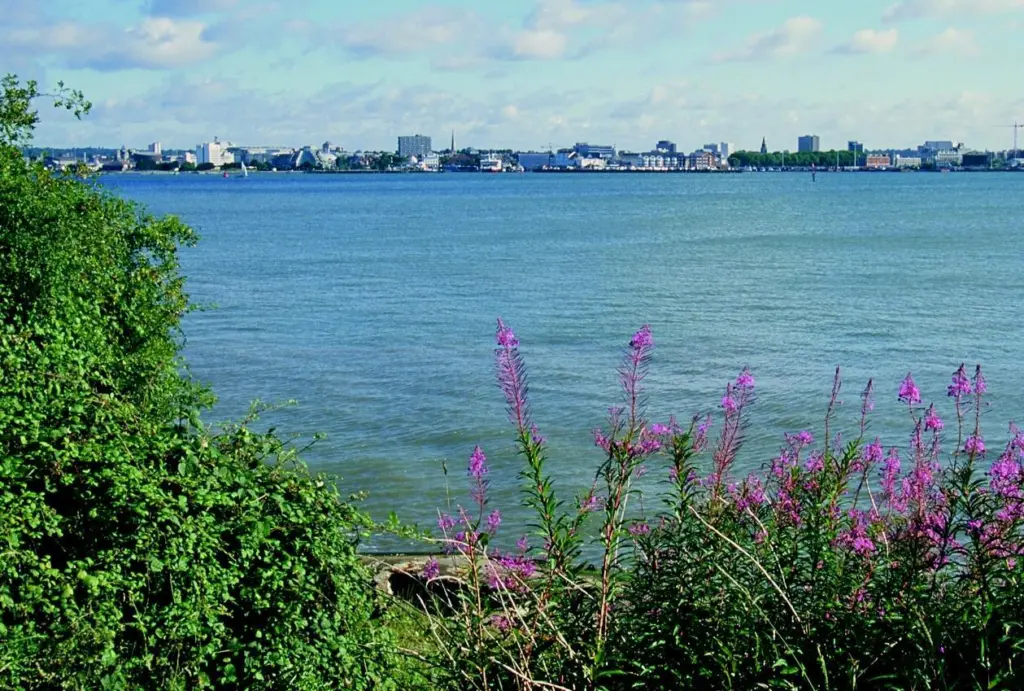
The UK’s Department for Transport finally rejected the long running proposal for a £600m container terminal in 2004 after Associated British Ports had spent some £45m associated with the approvals process.
The Marine Management Organisation (MMO) was a major topic for discussion at the conference and there was specific mention of the future of Southampton Port and the strategic importance of Dibden in permitting possible future expansion of the port. Alan Whitehead, local MP for Southampton said that the Dibden site should remain reserved for port expansion.
Jonathan Williams, Marine South East Chief Executive, said, ‘The general feeling is that if the Marine Bill is to work then it must genuinely assist the co-existence of diverse activities within coastal waters, and must not become just another layer in the already laborious consenting process. The MMO will need the expertise, resources and political clout to reach decisions, sometimes based on balanced consideration of conflicting interests.’
Also at the event, Jonathan Shaw MP, the regional minister for the South East and Defra Minister for Marine, Landscape and Rural Affairs made a keynote speech on the Marine Bill and its implications for the marine industry. The MP was also presented with a copy of the waterfront strategy by SEEDA representative Kathy Slack.
The theme of the event was Southampton’s position as a centre of excellence for the maritime industries and featured a number of short case studies from the private and public sectors. One of the main points of discussion was the final draft of the South East Plan.
The Plan will set out a long-term strategy for future development in the region. It will provide the guiding framework for the detailed local development frameworks and other plans prepared by local authorities. This draft has incorporated important elements from Marine South East’s submission to the examination in public which took place last year. It has now made specific reference to the retention for marine industrial use of key sites identified through SEEDA’s Waterfront Strategies, including the initial strategy for the Solent.
The event included brief presentations by a range of panelists, including Jonathan Williams, whose broader comments touched upon the need to capitalize on the enormous wealth of marine capabilities and facilities in the region, particularly amongst universities and training centres. Williams stressed the importance of working to ensure that businesses are able to influence and access this asset base for innovation and workforce development.
Related Articles
 MARINE CONSTRUCTION
 POWER & PROPULSION
 ENVIRONMENT