




Plea today for Scotlands marine energy
Scotland risks losing its position as the global leader in wave and tidal power unless rapid steps are taken to put in place vital infrastructure, the head of a green energy trade body have warned at a major conference today.
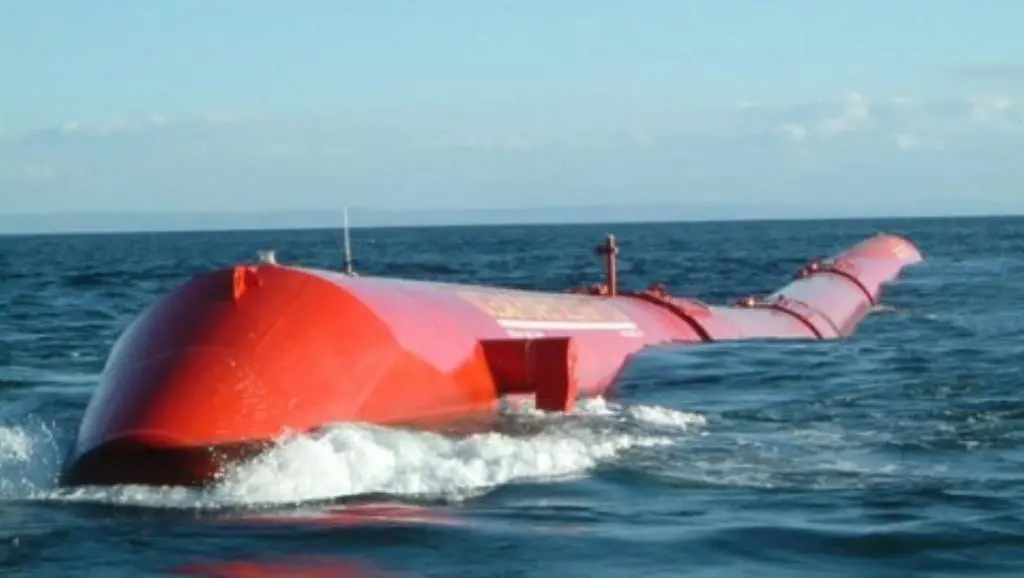
Jason Ormiston, chief executive of Scottish Renewables, will tell hundreds of experts gathered in Aberdeen for the trade body’s annual marine energy conference that Scotland could miss out on creating a multi-million pound industry if a coherent wave and tidal strategy is not put in place.
The trade body estimates that in 20 years Scotland’s marine industry could employ around 25,000 people, and by the end of the next decade provide enough power for more than 500,000 homes as well as playing a crucial role in combating climate change.
‘Scotland has a fantastic opportunity to not only to achieve our own environmental targets but also to do with marine power what Denmark has done with wind power, create a 25,000 job industry that exports its expertise across the globe’, Mr Ormiston will say to the conference.
‘Over the past year we have seen the marine sector in Scotland making significant steps, in partnership with government, and were starting to see action to support the sector’s growth on a variety of fronts. However, we risk losing out to other nations unless we have a strategy in place which details what needs to be delivered in terms of infrastructure and by when.
‘This conference will help to focus minds on the key actions that need to be taken now to ensure the prize of a booming marine energy industry by 2020 is won by Scotland.’
That is why Gareth Davies, managing director of Orkney-based Aquatera, is presenting a marine energy route map at the conference which charts the course for Scotland’s marine sector to keep it one step ahead of other countries.
‘There is not a year to spare if Scotland is to maintain its world leading position in wave and tidal energy, we simply must start laying the foundations now’, Dr Davies will say.
‘The route map we are devising looks at how we can get enough power from the sea to power more than 500,000 homes in Scotland by 2020, as well as securing jobs, rural development and Scotland’s leadership position.
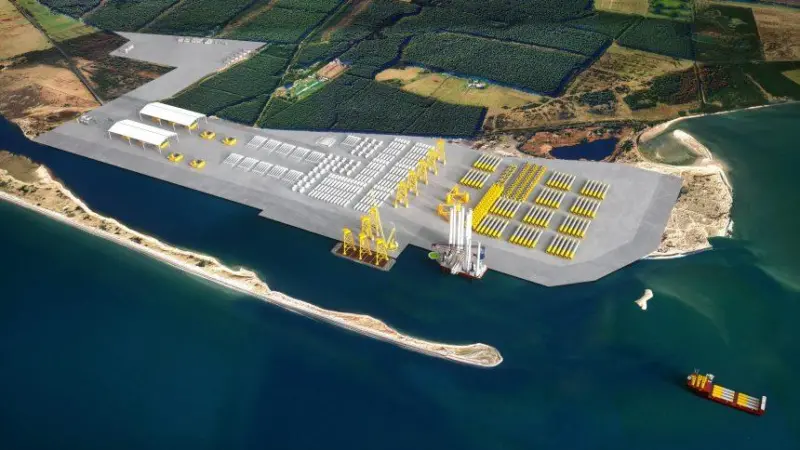
‘As well as the energy technologies themselves, it will take a huge amount of investment in the coming years in terms of new boats to install the devices and new ports for the boats to operate from as well as transmission to bring the power to market.
‘This may all sound extremely ambitious, but it if we are to be seen as a leading nation in renewables we must pull out all the stops.’
The Scottish Renewables conference is sponsored by the Aberdeen Renewable Energy Group, which estimates that millions of pounds could be invested in the development of the wave and tidal sector in Aberdeen by 2020.
Scottish Renewables is Scotland’s renewable energy trade body. Established in 1996, it represents more than 250 companies working in wind, wave, tidal, microgeneration, hydro and biomass. The trade body’s members currently employ more than 2,500 people in Scotland and have a combined annual turnover of in excess of £500 million. These figures are projected to increase significantly over the next five years. Scotland has the potential to meet more than half of its electricity needs from renewable sources by 2020.
Scotland’s renewable energy generation capacity in megawatts (MW) as of 21 October 2008 is: wind 1400.68MW; hydro 1380.15MW; waste 99.68MW; biomass electricity 78.92; biomass heat 29.41MW; wave 0.5MW.
Related Articles
 MARINE CONSTRUCTION
 POWER & PROPULSION
 ENVIRONMENT