


SOLFIRE exercise highlights rescue organisation cooperation
The annual SOLFIRE Search and Rescue Exercise took place in the UK’s Eastern Solent late last month and was successful for testing the contingency plans of the various emergency services which would be involved should a major marine accident occur within the area.
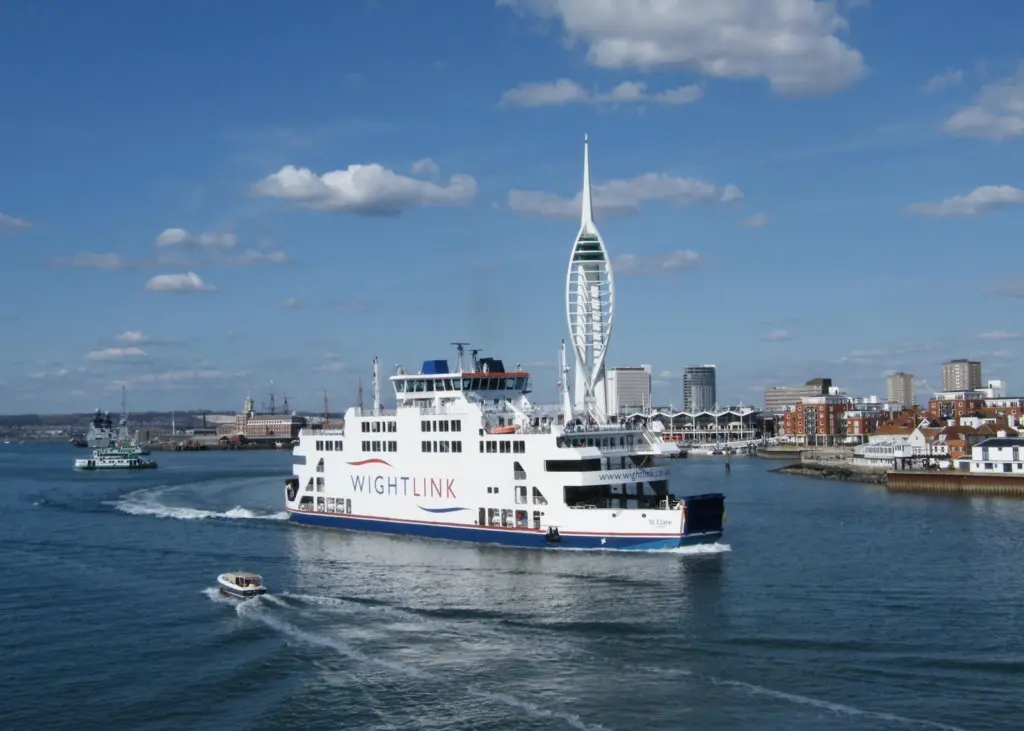
Responsibility for providing and managing emergency cover for the whole of the Solent Shipping Area , including the major ports of Portsmouth and Southampton, is shared equally between three authorities, Solent Coastguard, the Queens Harbour Master Portsmouth (QHM) and Associated British Ports Southampton.
This year it was the turn of QHM to lead the exercise so it was staged within their area of jurisdiction off the entrance to Portsmouth Harbour. The scenario involved the Whitelink vehicle and passenger ferry St Helen suffering a simulated fire in the engine room during a routine lunchtime crossing from Fishbourne on the Isle of Wight to Portsmouth.
With fifty ‘passengers’ on board (mainly made up of off duty Watchkeepers from the National Coastwatch Institution stations at Gosport and Lee-on-the-Solent, together with members of the Maritime Volunteer Service and a few other local voluntary organisations) and with the main engines reduced from three to just one, the ferry was forced to heave to in the middle of Spithead and call for immediate assistance. The situation was made all the more dramatic when the ferry began to drift with the strong tide which was carrying it towards the Royal Navy’s newest and yet to be commissioned warship, the destroyer Diamond, which lay at anchor nearby.
A Serco tug had, by this time, been despatched from Portsmouth with members of the Hampshire Fire & Rescue Service Offshore Response Unit on board and was soon on the scene alongside St Helen, rendering assistance by putting the emergency team aboard and steering the disabled ferry away from danger.
Meanwhile the general alarm had been sounded on board the ferry, requiring all passengers to assemble at the muster stations, giving the crew valuable hands on experience in distributing lifejackets and providing reassurance to large numbers of potentially confused people in an emergency situation.
With the tug assisting, St Helen was soon underway again, having been joined by a dockyard pilot. It was limping slowly towards the safety of the harbour when it suddenly lost all power to the remaining engine. This caused a simulated collision with a small oil tanker near the harbour entrance, which began posing even more problems when the resulting simulated oil spill was discovered to be blocking the approach to the ferry’s normal berth.
The vessel was now drifting helplessly in the middle of a very busy harbour with several additional tugs racing to the rescue. Thanks to their prompt action the now completely disabled ferry was brought safely alongside a vacant berth inside the Naval Dockyard where five fire appliances and their crews were waiting to deal with the aftermath of the earlier fire on board, together with Coastguard rescue teams and a number of local authority civil response personnel who had assembled to care for the needs of the passengers.
The success of this exercise has once again emphasised the highly professional spirit of cooperation and teamwork that exists between all of the different search and rescue organisations that come together to provide safety cover in the busy coastal waters of the Solent.
Related Articles
 MARINE CONSTRUCTION
 POWER & PROPULSION
 ENVIRONMENT