![MaritimeJournal[Seawork]](https://www.maritimejournal.com/wp-content/uploads/2026/09/MaritimeJournalSeawork.svg)



Options studied for Fehmarnbelt materials
DHI Group in Denmark is playing an important role in the proposed Fehmarnbelt project, a submerged tunnel between Denmark and Germany.
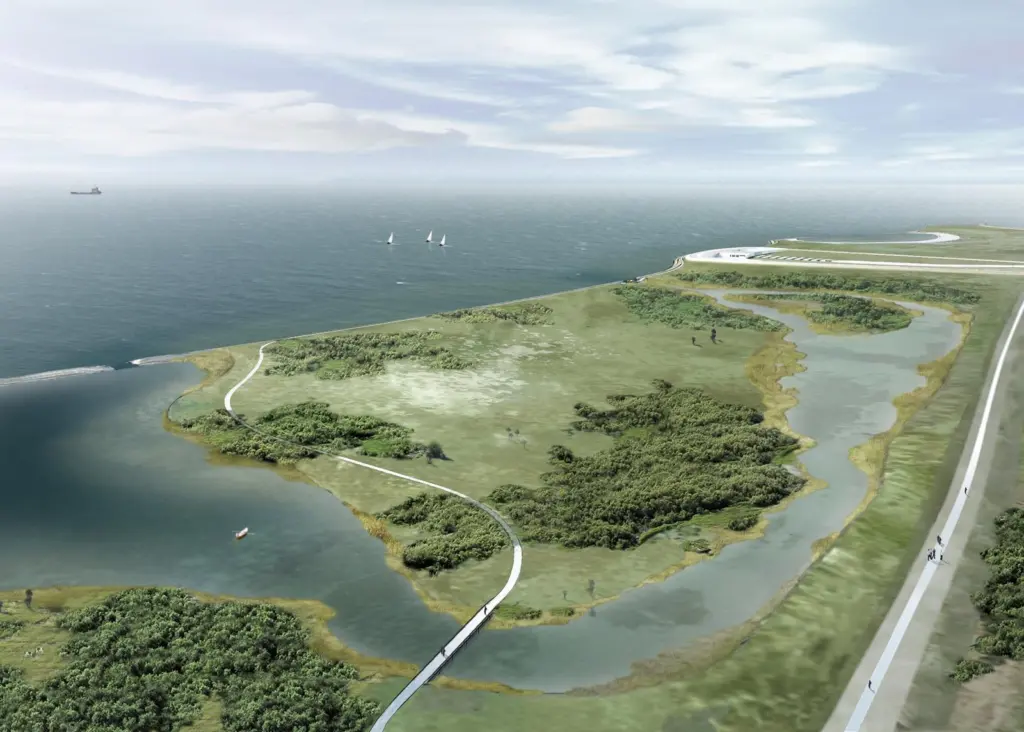
Excavating the seabed where the tunnel will be installed will produce a massive 16m cu/m of material which would have to be disposed of. Instead, DHI Group is responsible for part of the project that will see the material re-used to create a new landscape on the Danish coast.
The Fehmarnbelt is one of Europe’s largest infrastructure projects. An immersed tunnel for vehicles and a rail link between the countries is the preferred solution and should significantly reduce travel times between Denmark and Germany, creating new opportunities for growth and prosperity for more than 10m residents in the area.
Under DHI Group’s proposal, the material excavated for the tunnel will be used to create a highly engineered landscape that will be turned into a recreational area. The new landscape will connect the tunnel portals to the adjacent stretches of coastline, minimising the visual impact of the portal buildings and adding new landscape features to the area. DHI is responsible for the layout of the new area as a consultant to the Ramboll-Arup-TEC JV.
“For 20 years I’ve been pushing the idea of an environmentally worthwhile use of excavated soil. Finally, in this project, a major infrastructure development is enriched with a working with nature approach”, said Karsten Mangor, one of the consultants at DHI Group working on the project.
The new landscape will include sandy beaches, a coastal lagoon with wetlands and cliff faces. New grazing areas will be created along with sand dunes, islands and tidal meadows. Covering approximately 6 km of the coast, the area will be planted with local plant species.