






New hull coating which repels barnacles
The University of Gothenburg in Sweden has developed a new non-toxic alternative to traditional anti-fouling coatings which can prevent barnacle colonisation on boat hulls.
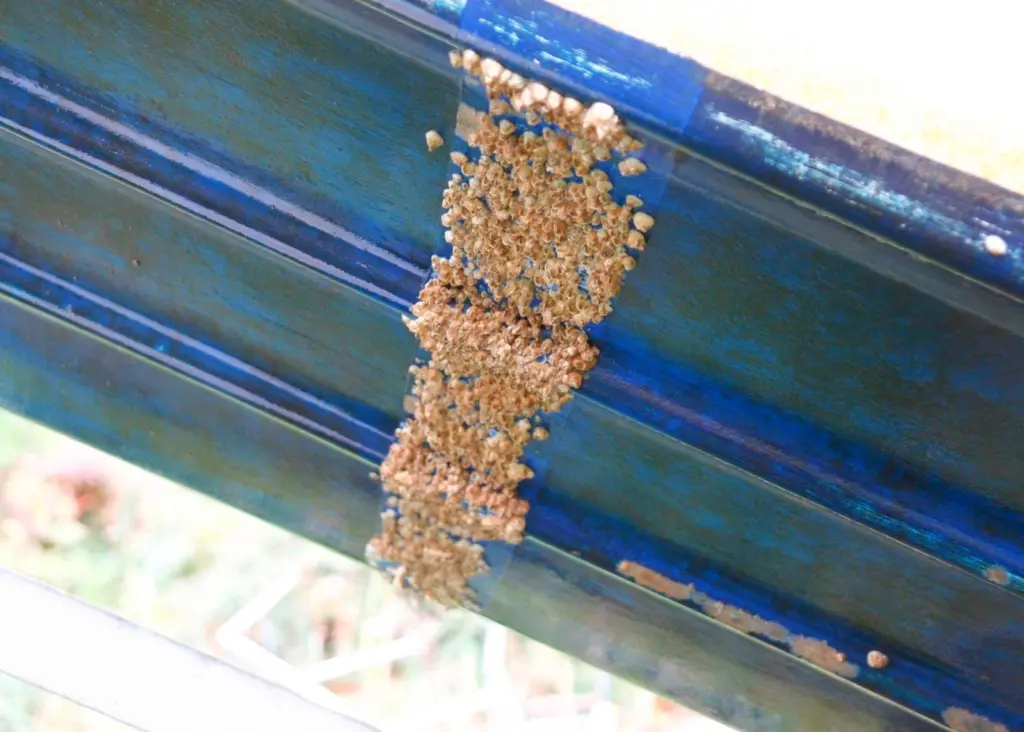
Fouling of hulls is a problem for all boat owners and barnacles are notoriously one of the most difficult organisms to deal with.
Traditionally, anti-fouling coatings have contained copper which release harmful toxins into the environment. But research has shown that barnacles are extremely sensitive to a group of molecules called ‘macrocyclic lactones’ which are produced by certain bacteria. These can be used to make a new type of non-toxic anti-fouling coating.
Professor Hans-Björne Elwing of the Department of Cell and Molecular Biology at the University of Gothenburg said, “Using this discovery, we have managed to create coatings with new binding agents that shut down the release of the macrocyclic lactones into the marine environment. Further, only trace amounts of the macrocyclic lactones are required in the coating to give full effect against barnacles.”
When the molecules are mixed into this new coating, the barnacles colonise the coating in the same way at first, but as the barnacles progress to maturity and attempt to establish stronger contact with the surface, they lose contact and die.
The research group has demonstrated that macrocyclic lactones can fully replace copper used in coatings on leisure craft for several seasons.
The study was carried out in collaboration with the SP Technical Research Institute of Sweden in Borås and has been published in the journal Biofouling.
Article originally published in Boating Business
Related Articles
 MARINE CONSTRUCTION
 POWER & PROPULSION
 ENVIRONMENT