![MaritimeJournal[Seawork]](https://www.maritimejournal.com/wp-content/uploads/2026/09/MaritimeJournalSeawork.svg)





Tidal Lagoon project gets the go ahead
In the UK, the energy and climate secretary has granted planning permission for the Swansea Bay Tidal Lagoon project in South Wales.
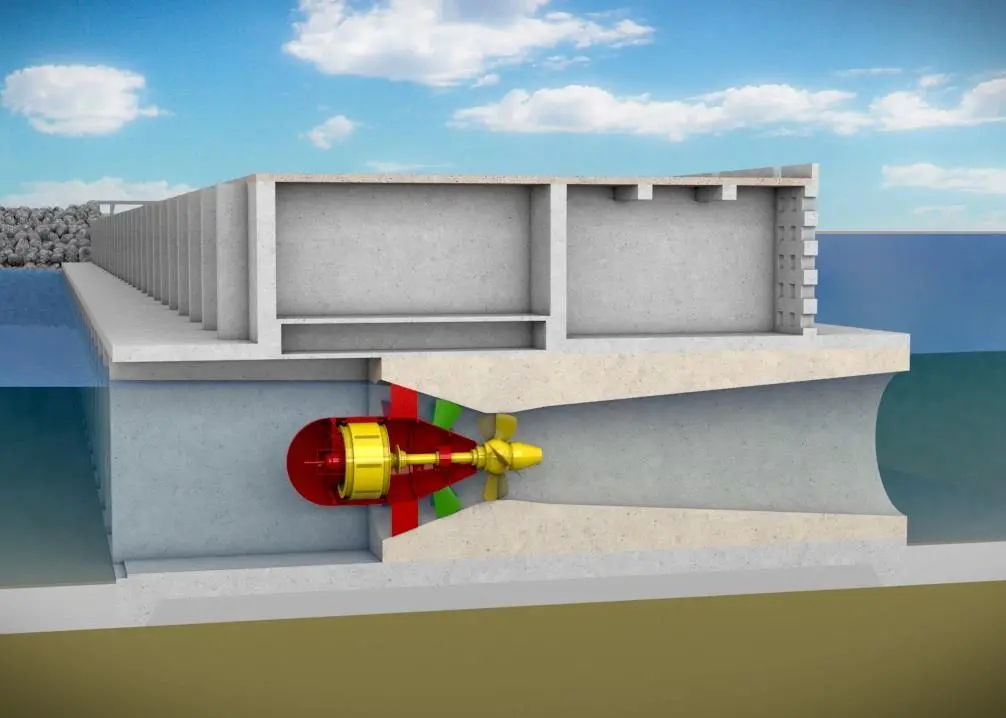
The project, which has been called the world’s first tidal lagoon, is the brain child of Tidal Lagoon Power and is one of a series of tidal range schemes the developer is considering around the UK’s shores.
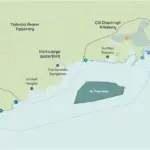
Six potential lagoon locations have been identified around the UK which combined could provide up to 8% of the UK’s electricity and add up to £27bn cumulatively to the UK GDP by 2027.
Maf Smith, deputy chief executive, RenewableUK, said: “This momentous news marks the start of an entirely new industry in Britain, which will lead the world in this innovative ultra-modern technology. As a maritime nation, we are perfectly placed to take advantage of the powerful tides surging around our coasts every day, which have great potential to generate increasingly significant quantities of renewable electricity.”
A multitude of firms have been involved in getting the project through the planning stage, including leading environmental consultancy, ABPmer, which has worked with the developer from the outset, undertaking feasibility studies and contributing to the Environmental Statement.
ABPmer has been providing marine environmental advice and support to the Swansea Bay Tidal Lagoon project since 2012. Using its multi-disciplinary expertise, it wrote the navigation, coastal processes, marine mammals and benthic ecology chapters for the planning application.
The firm has been involved with the UK tidal range sector since 2008 having been part of the consortium that delivered the Strategic Environmental Assessment associated with the Severn Tidal Power Feasibility Study that investigated whether the UK Government could support a tidal power scheme in the Severn and, if so, on what terms. A high level study that still remains relevant to advancing lagoon and barrage schemes.
Planning permission being granted is a significant step towards commencing construction of the project. Apparently, at least 50% of the contracts will go to British companies.
When fully constructed the tidal lagoon will have an installed capacity of 320 megawatts, enough to generate renewable electricity to power 155,000 homes.
Using the daily motion of the tides, the lagoon should provide clean, home-grown electricity 14 hours a day for 120 years. Not only could it help save over 236,000 tonnes of carbon emissions each year, it could be the critical step to kick-starting a tidal lagoon industry.
Tidal Lagoon Power said it should only require Government support for an initial 35 years – less than a third of its lifespan. Its next hurdle will be to secure support in the form of a “Contract for Difference” to guarantee the price of the electricity for this initial period.
By Anne-Marie Causer