![MaritimeJournal[Seawork]](https://www.maritimejournal.com/wp-content/uploads/2026/09/MaritimeJournalSeawork.svg)


Pollution contingency planning
In this article, Glyn Humphries, head of Adler and Allan’s marine response division, discusses the key measures to avoid the most common pitfalls in contingency planning for pollution incidents.
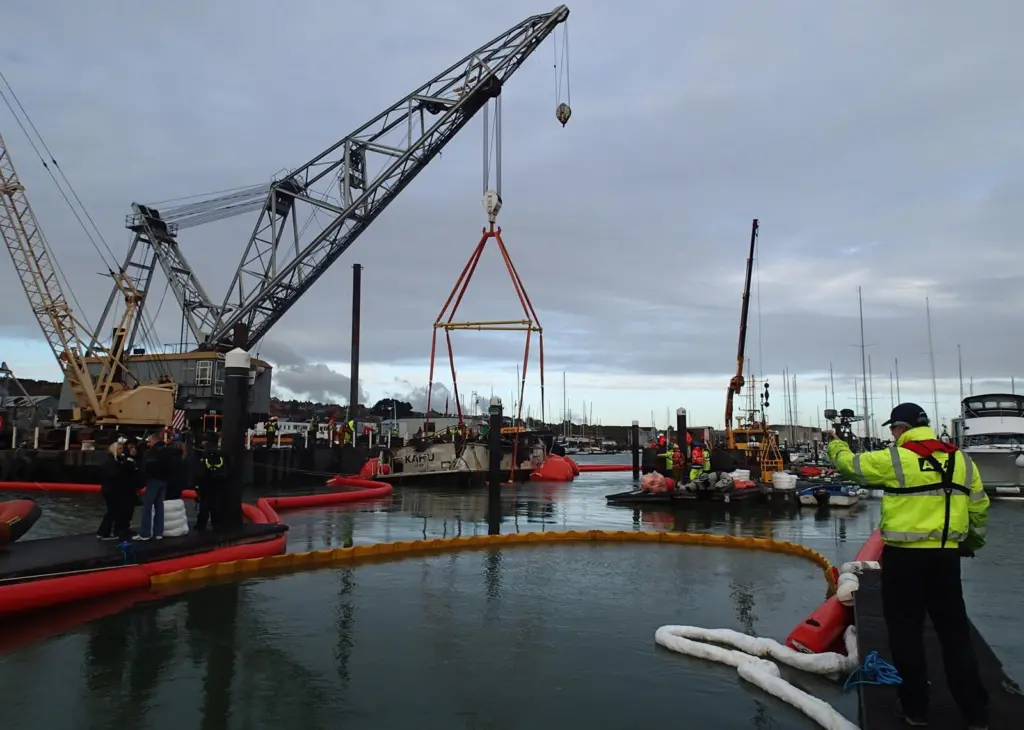
Preventing pollution should be a high priority for anyone working in the marine sector. Large-scale marine spills are thankfully infrequent, but because these incidents are infrequent the risk of complacency is high.
Accidents can happen and since the 1970’s ports, harbours and terminals must meet the requirements of the Oil Pollution Preparedness Response and Co-operation (OPRC) Convention. The national competent authority that oversees compliance is the Maritime and Coastguard Agency and they require all qualifying ports, harbours and terminals to possess an approved contingency plan to include the provision of self-help (Tier 1) and regional assistance (Tier 2) to deal with oil spills.
Planning is a must
Possessing an up-to-date and easy-to-use spill response plan that supports relationships, appropriate procedures and strategies to use in the event of a spill is essential for mitigating the damage and coping with the added workload.
In those first hours after a spill is reported the possession of a fit for purpose contingency plan will make a huge positive difference to those tasked with organising the response and dealing with the consequences. However, for those organisations whose plans are not tested properly or are consigned to a five-yearly ‘tick-box’ updating exercise of something first drafted 20 years ago, then being behind the curve in a real incident will put enormous pressure on everyone involved in the response.
Avoiding pitfalls
There are four steps in avoiding basic pitfalls when planning for oil spills.
Start with a realistic risk assessment and consider how best to mitigate those risks with sensible specifications for Tier 1 and Tier 2 response. Most port operations today are lean and therefore the role of the organisation’s own staff in a response needs to be clearly thought through and appropriate training and equipment must be provided, maintained and sensibly located to underpin the tasks identified.
Above all, recognise the importance of timely action in reducing the overall impact of a spill but be realistic and make sure that you can do what you say you can.
Action lists are critical time savers and they can ensure that nothing is missed in the heat of the moment. Make the contingency plan easy to navigate and check that the action-lists can be found quickly. Generally, plans are constructed in three generic phases: strategy, action and operations and data directory. Make sure the action and operations section containing those important first steps is inserted at the front of the plan to avoid losing valuable time.
Find out about nearby sensitive areas and include the details within the plan, prioritise them and ideally plan appropriate response measures for each one. Decide which of these measures can and should be considered as Tier 1 or Tier 2 options and ensure that your organisation and your Tier 2 contractor have the capability to implement those measures. Trying to determine local sensitivities and prioritising limited resources is difficult to get right when a spill happens.
Exercise and test the plan; find out what works and what doesn’t work. Ensure that all personnel that may have to activate or work within the plan become familiar with it and understand why it exists. Run through the action lists, verify contact details, deploy Tier 1 and Tier 2 resources and correct any shortcomings in a revised plan.