![MaritimeJournal[Seawork]](https://www.maritimejournal.com/wp-content/uploads/2026/09/MaritimeJournalSeawork.svg)



Oil and wind join forces for Win Win JIP
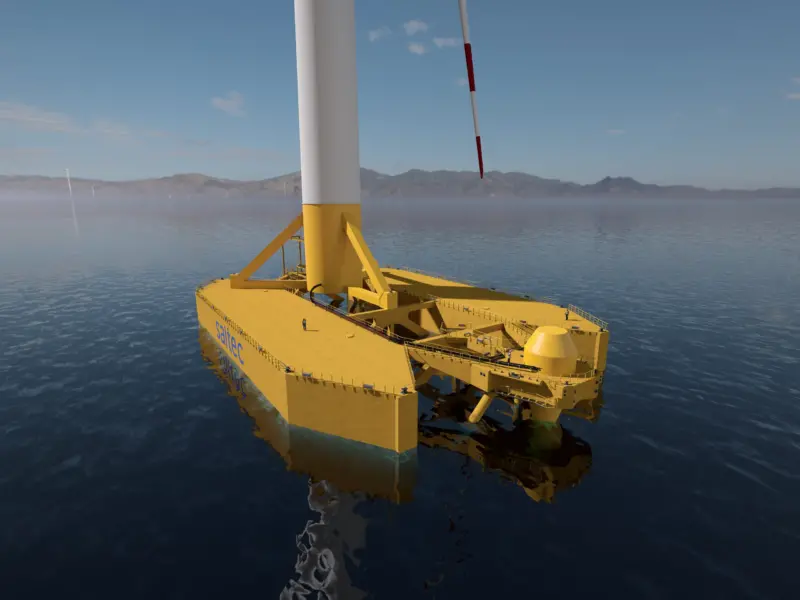
Norwegian-based company DNV GL is leading a joint industry project (JIP), Win Win, to bring the concept of using wind power for offshore oil and gas applications a step closer to reality.
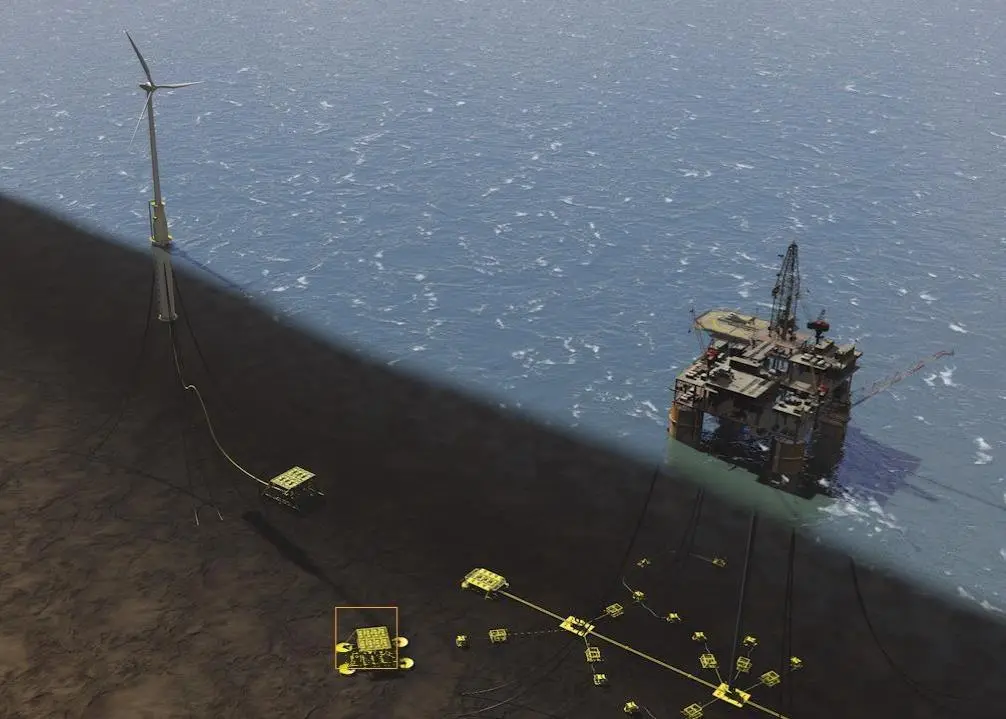
The Win Win project, which stands for wind powered water injection, has been launched to develop a concept in which standalone wind-powered water-injection systems can be cost competitive for various types of applications.
“We have had a fantastic response from the industry and we are very pleased that seven important players from both the oil and wind industry have joined the JIP,” said Johan Sandberg, segment leader for floating wind turbines at DNV GL.
Mr Sandberg continued: “Together, they cover the value chain from wind production and operation, to pump manufacturing, to five oil and gas operators.”
The other seven companies participating are ExxonMobil, ENI Norge, Nexen Petroleum UK Ltd, Statoil, VNG, PG Flow Solutions and ORE Catapult.
Hanne Wigum, manager of Statoil’s renewables research group, said: “We are very satisfied that DNV GL has taken the initiative to form a JIP, and brought on board several of our peers from the oil and gas industry.”
“The concept needs maturing up to a point where it can be considered a viable option in field development studies.”
With the project now in the phase where the technical concept is being developed and technical feasibility is being assessed, two main challenges have been highlighted. The off-grid operation of the system and the reservoir’s response to variable injection rates are the main issues which are to be addressed.
Mr Sandberg continued: “Once the technical hurdles are cleared, the concept’s economic viability will be analysed using relevant and realistic cases provided in the JIP partners.”
DNV GL says the initial results are promising and the number of operators working with the Win Win project means that the concept’s economic viability can be tested on real cases.
“In parallel with finalising the initial technical and economic assessment of the concept, we are now thinking about the next step, both looking for other relevant applications of the system and making sure the concept moves from the drawing board to a prototype and actual realisation in a project,” Mr Sandberg concluded.
The JIP has been up and running since the beginning of the year and is scheduled to be completed in the first quarter of 2016.
By Alice Mason