![MaritimeJournal[Seawork]](https://www.maritimejournal.com/wp-content/uploads/2026/09/MaritimeJournalSeawork.svg)





Cambla upgrades marine planning tool
Project services consultancy, Cambla, is upgrading its state-of-the-art software, the Schedule Animation Tool (S.A.T.) to help the marine industry improve planning operations.
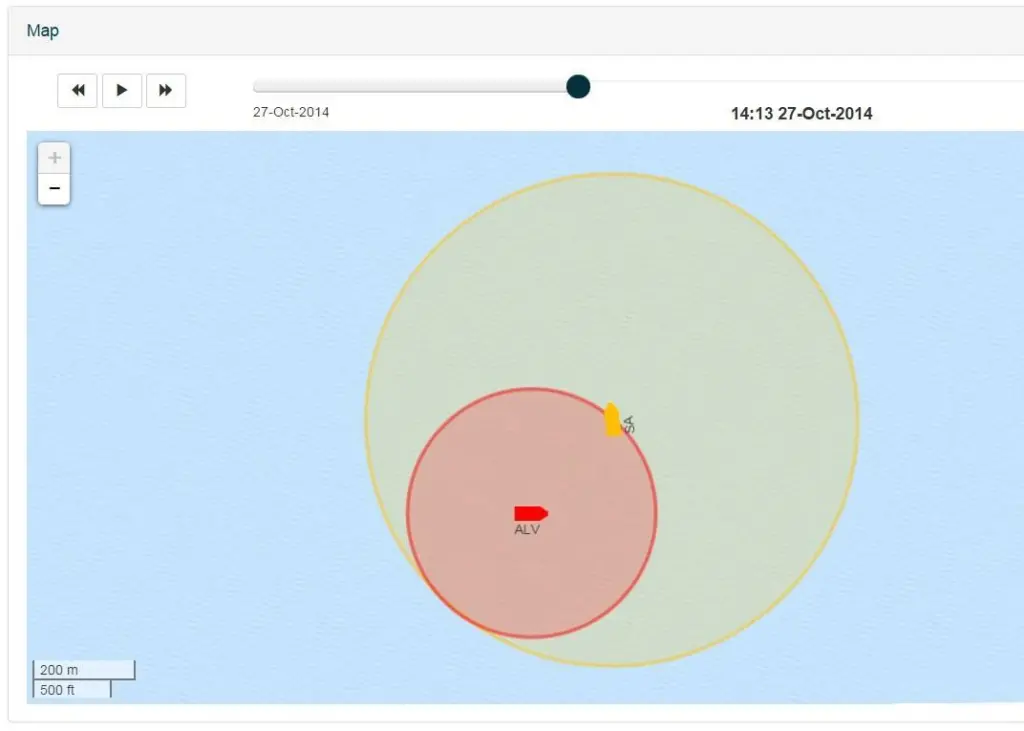
The technology, said to be a world-first, has been developed to improve the accuracy, and significantly reduce the costs and safety risks associated with planning operations by producing an accurate visual representation of a vessel fleet’s location and future activities. “,sans-serif;>
“S.A.T. is a particularly useful resource for companies operating a large vessel fleet or planning a complex subsea project as it offers full fleet management support,” said Alexander MacLeod, founder, Cambla. “,sans-serif;>
The upgraded version offers improved user-functionality, with new features including increased fleet management capabilities, an enhanced data input system, a function to display fixed infrastructures including oil and gas platforms, FPSOs, and wind turbines, a listing of all schedule issues and the animation models can now be produced even faster. “,sans-serif;>
“The tool identifies occasions where planned vessel activities clash, helping project teams to determine the most appropriate activities and deployment times for their entire fleet. With a cost of up to £300,000 per day to operate these vessels, any deployment delays can incur significant costs,” Mr MacLeod added. “,sans-serif;>
Using S.A.T. to plan vessel activity allows operators to ensure their vessels spend minimal time in port or waiting offshore, which reduces excess expenditure of up to millions of pounds and increases safety as it reduces the number of days at sea. “,sans-serif;>
“It can often be difficult for a large project team to keep up to date with developments, particularly if they are based in different locations. S.A.T. is web based which allows multiple-user access, ensuring strong communication and engagement between the project team and all stakeholders,” Mr MacLeod concluded. “,sans-serif;>