![MaritimeJournal[Seawork]](https://www.maritimejournal.com/wp-content/uploads/2026/09/MaritimeJournalSeawork.svg)




Snap back advice worse than none
Occasionally bad advice, especially when backed up by industry authorities, can be worse than none at all.
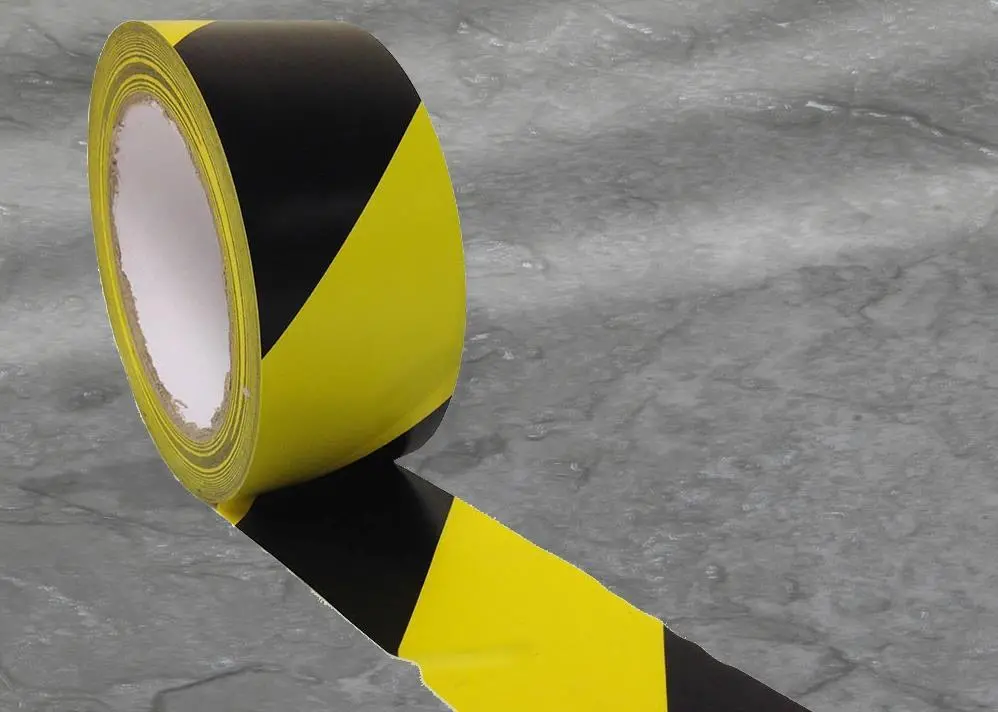
This seems to be the case with the marking out of snap back zones, which were supposed to alert people to the potentially dangerous areas in case of a mooring line failure.
“There are suggestions that people have been lulled into a false sense of security” by marking of snap back zones on the deck,” explained Petar Modev of the UK P&I Club. This is something that until fairly recently was advised by the MCA Code of safe working practices, he added.
“There have been a few incidents in the past which suggested that permanent marking on deck means that people standing outside a marked zone might have assumed they were perfectly safe,” he said.
However, he said, since mooring layouts are subject to change the associated snap back zones will change as well, and uninitiated crew can unwittingly put themselves in danger.
Further, the introduction of synthetic tails – often used to reduce peak loads in dynamic conditions – means that, just like an elastic band, there is more energy released in the case of a line break, and the affected snap back area can be surprisingly wide.
It seems that the industry is becoming aware of the issue and recently the advice has changed considerably, he explained.
“Now the MCA’s recommendation is that all mooring areas should be considered snap back zones: further, proper risk assessments and toolbox meetings should happen before each and every operation and mooring layout should be considered anew for each situation,” he said.
And if this sounds cumbersome, he pointed out that these injuries “are almost always severe” because of the forces involved: further there are financial implications: “While mooring incidents are the seventh most frequent cause of personal injuries that we are seeing, they are the third most expensive per claim.”
By Stevie Knight

Related Articles
 ACCESSORIES & EQUIPMENT
 OTHER NEWS
 ACCESSORIES & EQUIPMENT