

Beneficial re-use in Tyne Dock development
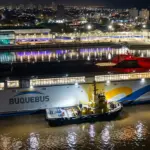
Dredging operations were due to get underway late last month at the UK Port of Tyne to create just over 13 acres of operational land by infilling Tyne Dock using the dredged material from the New Tyne Crossing project.
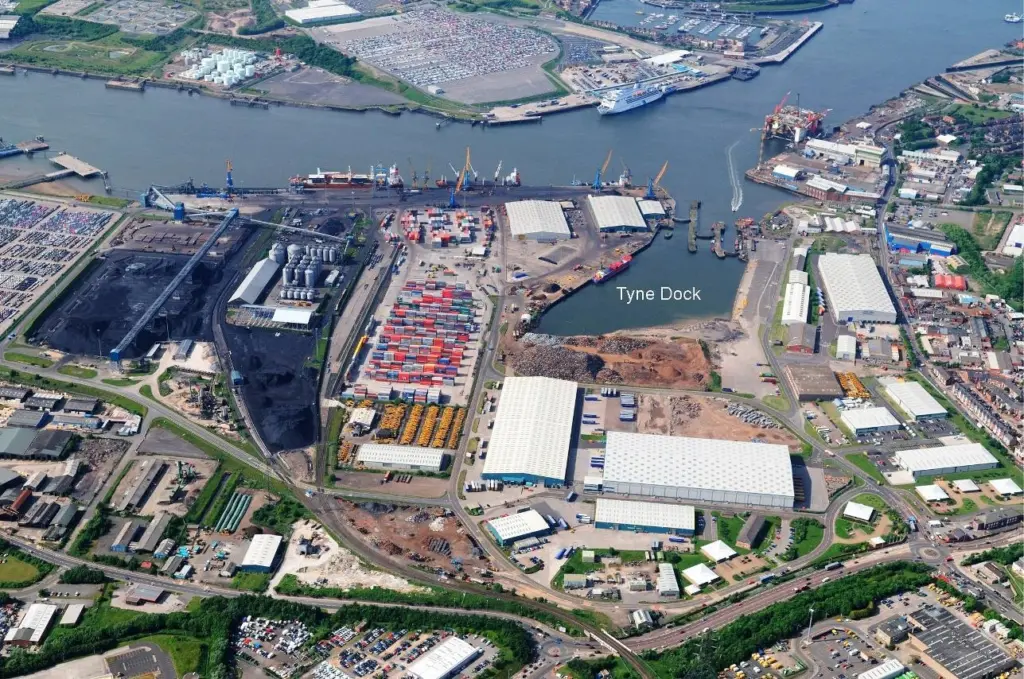
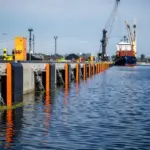
With a mission to create a vibrant and sustainable Port of Tyne well into the next century, the infilling of Tyne Dock will create more space for expansion and development, enabling the Port of Tyne to meet the needs of customers and add value to the north east region.
Chief executive Andrew Moffat said, ‘Last year the port was approached by Bouygues Travaux Publics, the contractors of the second Tyne Tunnel, who explained their plans to dredge the Tyne as part of the construction process. We talked to them about how they could recycle the spoil from the construction of the tunnel by using it to infill Tyne Dock. Not only will this create valuable land, it will give the Port greater flexibility to offer customers.
‘After exploring various options, it was agreed that this was not only environmentally sound but also a far more effective way for both parties to progress.’
The Port of Tyne received planning approval from South Tyneside Council during the summer. Following approval from Natural England, the Marine & Fisheries Agency and the Environment Agency, permission was given to pump spoil direct from the trench that is to be dredged for the new tunnel into Tyne Dock as part of a carefully engineered design solution.
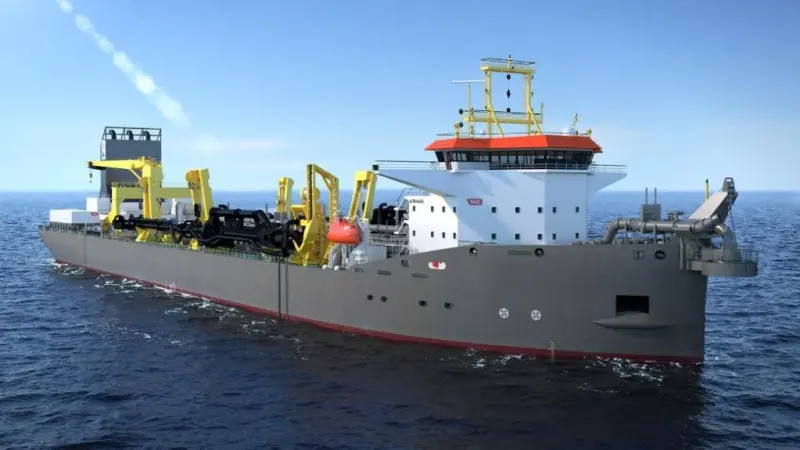
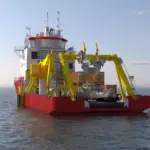
The Environment Agency also approved revised plans to bring the dredging window forward from November to September. A cutter suction dredger will be used used, which is not only quicker but will release minimal levels of sediment into the river during dredging operations.
Paul Fenwick, Tyne & Wear Integrated Transport Authority’s project director for the New Tyne Crossing said, ‘The use of material from the New Tyne Crossing project to contribute to the development of the Port of Tyne is excellent news. This kind of creative thinking at the design and construction stage of the project is just what we hoped for when developing the project. Not only will the Port benefit but the environment and the local communities benefit too by avoiding the need to dispose of material at sea, reducing the period of disturbance of the river and removing the need for several thousand lorry movements to transport material to landfill sites.’
Bouygues Travaux Publics, the main design and build contractor for the New Tyne Crossing is committed to constructing the second vehicle tunnel as sensitively as possible, and dredging the Tyne is no exception.
Tyne Dock closed in August after 150 years in service. It was opened in 1859 after being dug out by hand to provide enough berths for 500 vessels. George Stephenson, the son of the railway pioneer, made the dock gates and William Armstrong made the engines to open the gates which were still in use until about 20 years ago.