![MaritimeJournal[Seawork]](https://www.maritimejournal.com/wp-content/uploads/2026/09/MaritimeJournalSeawork.svg)

Van Oord lays foundations for North Sea oyster revival
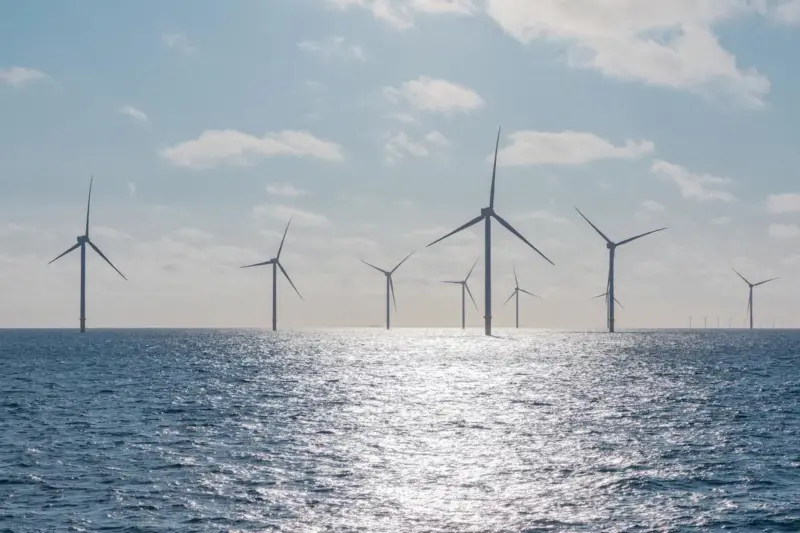
Marine contractor Van Oord is to breathe life into thousands of oysters to mitigate the damage caused to the North Sea bed by the growing scale of wind farms, cables and other infrastructure.
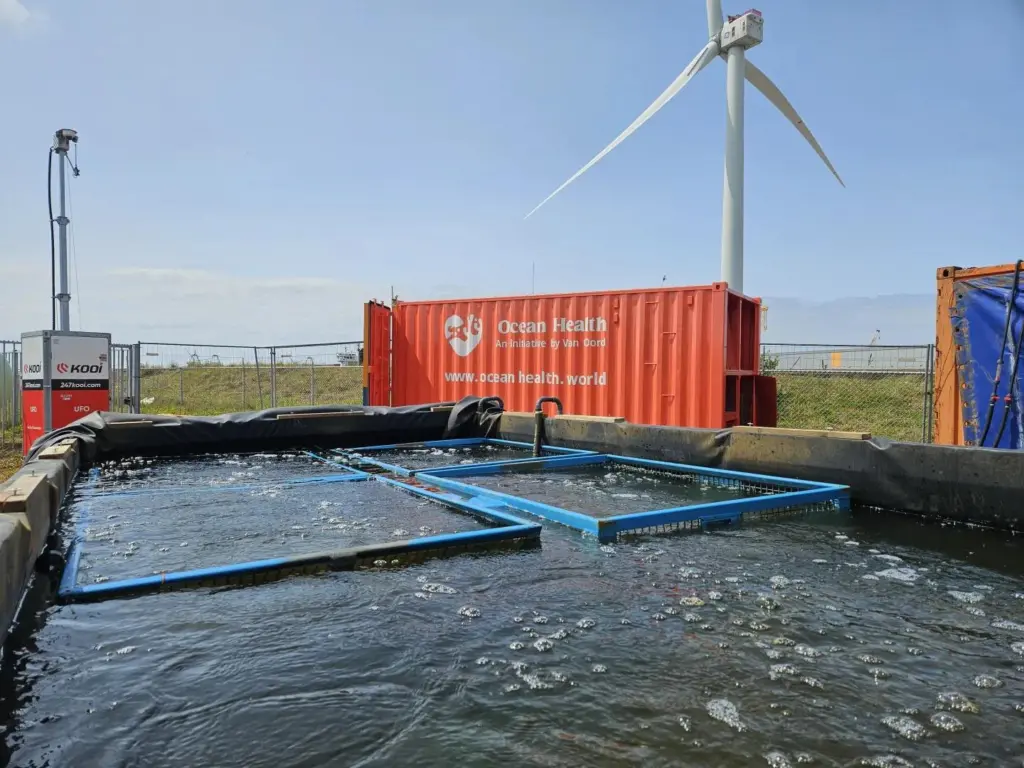
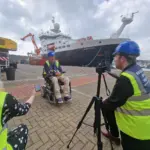
Half a million flat oysters will be put into the Port of Rotterdam next week in a method known as the ‘remote setting method’, where millions of oyster larvae are cultivated in a dedicated hatchery before being transferred to a harbour or other location close to the sea.
There they are placed inside shipping containers, which are already filled with sea water and rocks. The larvae are expected to then attach themselves to the rocks and grow into juveniles, and a few weeks later the containers will be loaded onto vessels, taken out to sea and emptied around marine infrastructure such as wind turbine foundations, subsea cabling, breakwaters and other buildings. “
“If successful, this modular, flexible design will provide a cost-efficient method for reef restoration that can be applied anywhere and on any scale,” the company says. “The North Sea’s oyster reefs have disappeared almost entirely due to overfishing, pollution and disease and the push to develop this comes from an awareness that marine life in the North Sea is under pressure.”
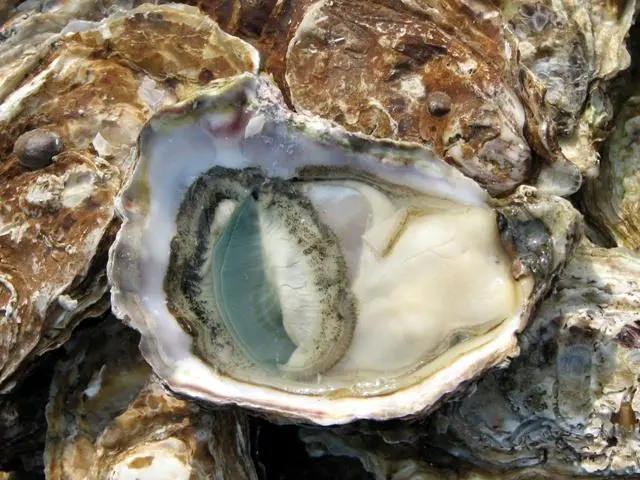
Oysters form large-scale subsea reef structures by clustering together over the course of their lifespan. The reefs create a solid bedding full of nooks and crannies that are ideal habitats for numerous types of plants and animals. The oysters also filter the water, release nutrients and absorb waste products. All this makes them a vital factor in sustaining life in the North Sea.
“Oysters are the silent engineers of a healthy aquatic ecosystem,” said Vera Vera Bánki, De Rijke Noordzee Programme Director. “Restoring the reefs is no luxury, it’s a necessity. I am hopeful that we can restore the reefs using this innovation.”
The reef restoration project has been going for three years with a consortium comprising Wageningen Marine Research; Wageningen University & Research; ARK Rewilding Nederland; Stichting Zeeschelp; Waardenburg Ecology; Van Oord Ocean Health; TenneT; and Port of Rotterdam Authority and De Rijke Noordzee (a joint venture between Dutch nature conservation organisations Stichting de Noordzee and Natuur & Milieu).
Related Articles
 FEATURES & VIDEOS
 ENVIRONMENT
 OTHER NEWS