




DeepOcean deploys remote ROV launch and recovery system
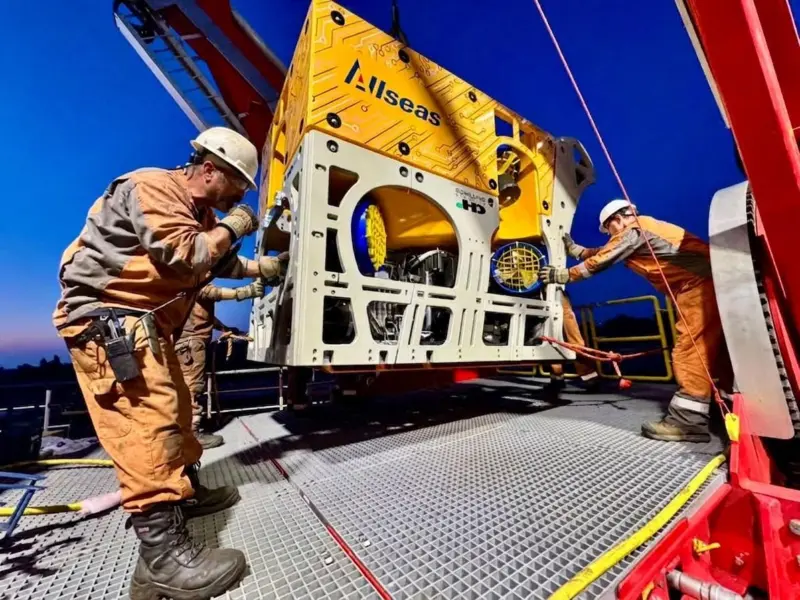
DeepOcean has begun operational use of a remote launch and recovery system for remotely operated vehicles (ROVs) developed by Evotec, enabling subsea operations to be conducted from shore through an automated process.
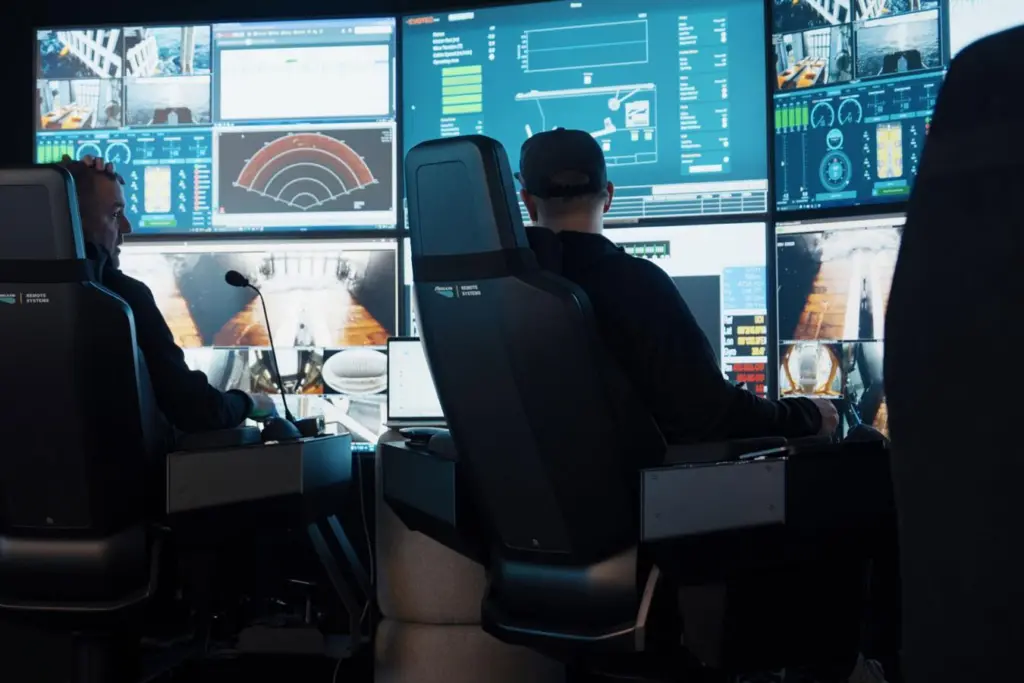
The system, known as Evotec CORE Remote, is now being used from DeepOcean’s Remote Operations Centre (ROC) in Haugesund, Norway. Operations are carried out using the unmanned surface vessel USV Challenger, which is designed for remote subsea work.
The technology allows launch and recovery of ROVs to be performed remotely as a single controlled operation rather than through multiple manual steps.
“At the core of the solution is the consolidation of complex operations into a single controlled sequence,” Evotec said.
“Now we press launch, and many functions that you would normally operate one by one are executed in sync,” said Eivind Bøe, ROV Engineer at DeepOcean.
Bøe said the process remained familiar despite being managed from shore.
“It’s as if you are onboard, but you’re not,” he said.
DeepOcean, which provides subsea inspection, maintenance, repair and installation services in several international markets, said remote operations were changing how work is organised.
“We deliver the same services from shore as offshore across large parts of our subsea inspection and light intervention offering,” said Johanne Halvorsen Øveraas, Operations director, DeepOcean Northern Europe.
The company said reducing the number of personnel offshore could reduce mobilisation requirements and vessel rotations.
“The savings come from reducing the number of people who need to be offshore, away from their families for 14 days for an operation that may only take two days,” said Roald Rykkje, Senior Project Engineer, Methods at DeepOcean.
Rykkje added that remote operations could also improve flexibility by allowing operators to work across multiple projects while unmanned vessels are in transit.
Related Articles
 ACCESSORIES & EQUIPMENT
 ACCESSORIES & EQUIPMENT
 ACCESSORIES & EQUIPMENT