

EXPANDING EUROPA QUAY AT ANTWERP
The Port of Antwerp is partnering with terminal operator PSA Antwerp to redevelop the Europa Container Terminal to allow the largest container ships to access the facility.
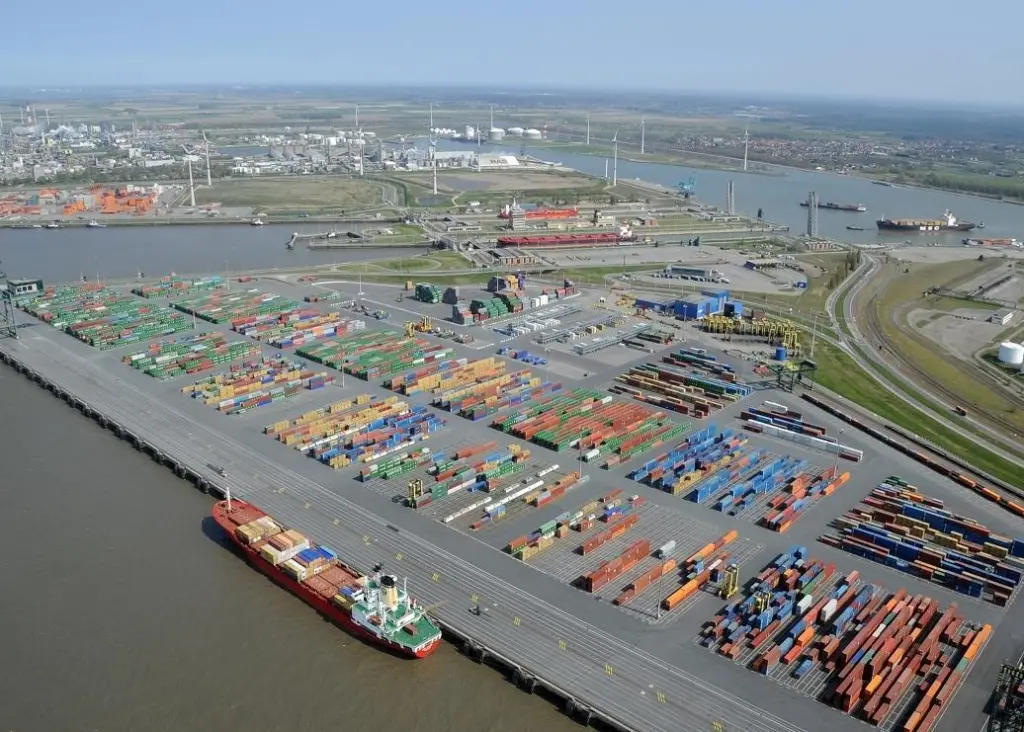
The Europa Terminal is located on the River Schelde rather than inside the dock area and with this deepening project, Port of Antwerp and PSA Antwerp are confirming their ambition to make the best and most sustainable use of the existing space at the port.
Under the development plan the current quay wall will be completely demolished and replaced by a new one. This will allow dredging to take place at the terminal thus increasing the size and draft of ships that can use the terminal. The current maximum draft for vessels that can berth at the quay wall is 13.5 metres and the rebuilding and dredging will allow vessels with a draft of 16 metres to gain access. This 16 metre draft is the maximum that can negotiate the river access.
The current quay wall has a length of almost 1,200 metres and in order to limit the operational impact and to keep the terminal operational, the work will take place in three stages so that a large part of the terminal will remain in service at all times. Some ships will be diverted to PSA North Sea Terminal at the port in order to maintain the usual container capacity. The operator at the terminal, PSA Antwerp, will be responsible for the renovation of the layout of the new apron, including new decking, installing the largest container cranes and developing the infrastructure in order to provide for shore power for visiting ships.
The work on this major project is expected to start at the end of this year.
A spokesperson for the Antwerp Port Authority commented, “To remain a top-class world port, the port must be able to offer extra container capacity to its customers. To this end, the Port of Antwerp is constantly working on expansion, both with the ECA project and by optimising existing capacity. The renovation of Europa Terminal is an important step in the further development of a sustainable port.”
By Dag Pike
Related Articles
 OTHER NEWS
 OTHER NEWS
 ACCESSORIES & EQUIPMENT