




British Isles takes top spot for shipping incidents
Most shipping incidents over the past 10 years have occurred around the British Isles, the annual Allianz Commercial Safety and Shipping Review for 2024 has found.
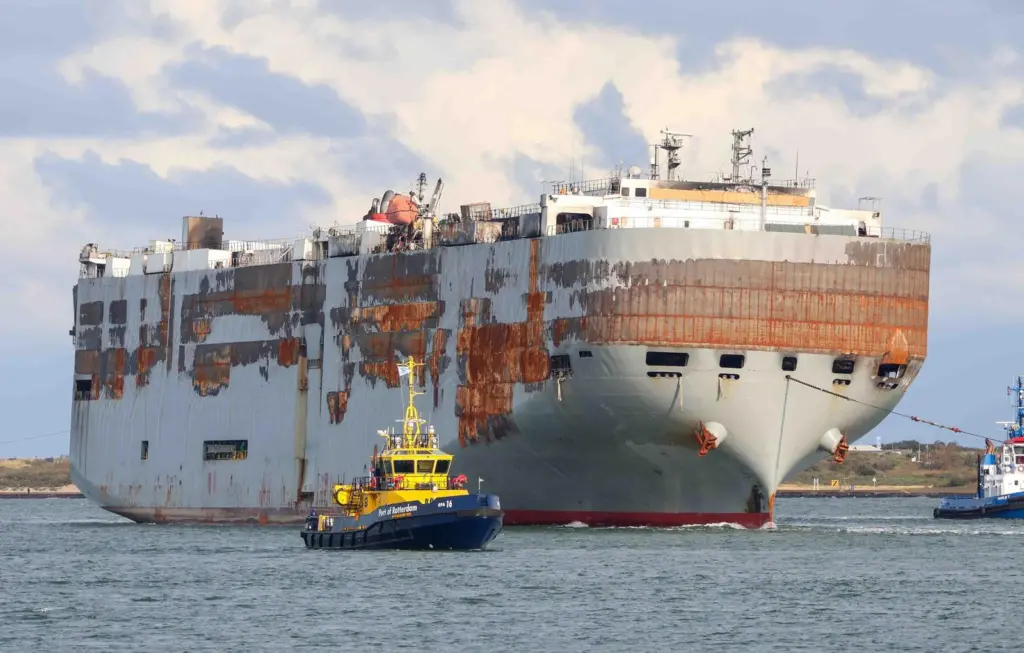
The British Isles, which encompasses the British Isles, North Sea, English Channel and Bay of Biscay, has replaced the East Mediterranean and Black Sea as the new top spot for shipping incidents over the past decade, despite not being a region troubled by geopolitical conflicts and also having a good regulatory system, VTS and coastguard.
However while this region may have deteriorated, the global numbers show great improvements in marine safety.
The German financial services company’s annual review is as usual a detailed and forensic data-based analysis of trends with shipping losses and safety, which drills down into the detail and highlights areas of note for regulators and commercial interest in Europe, including salvors.
Overall, the statistics paint a picture of vast improvements in shipping safety. Compared with the 1990s, when the global fleet lost more than 200 vessels a year, the number of losses has declined by 70% and is now at a record low.
Changing times
“The speed and extent of the way the industry’s risk profile is changing is unprecedented in modern times,” says Allianz.
Alongside predictable trends of increasing vessel size and the incidences of vessel ‘black-outs’, global politics and disputes are inevitably having an increased effect on the shipping industry.
The Gaza conflict has made shipping vulnerable to proxy wars with more than 100 ships targeted in the Red Sea alone and disruption “likely to remain for the foreseeable future”.
With the industry already grappling with a workforce and skills shortage the review expresses concern that the crisis will have an even worse impact on the industry’s ability to attract talent.
The commercial salvage industry responds when ships fall victim to attacks, adding to what even on a good day brings significant risks, with them running towards danger while everyone else is running away.
GPS interference and cyber attacks including “spoofing” – masquerading as someone who would normally be trusted – of AIS in hotspots including Strait of Hormuz, the Mediterranean and Black Sea are among challenges facing salvors and the wider shipping community.
Ships re-routing away from the Suez Canal, along with drought affecting the Panama Canal, has resulted in a “double-strike” for shipping, impacting global supply chains.
The review points out that re-routing impacts the risk landscape and environment. Storms and rougher seas are more challenging for smaller vessels used to plying coastal waters with coastal infrastructure, and it might cause them to be unavailable to support incidents involving larger vessels and suitable ports of refuge.
Environmental gains from ‘slow steaming’ could also be lost as rerouted vessels increase speed to maintain schedules over longer distances.
The review reports a rise in maritime piracy along with the emergence of a sizeable ‘shadow fleet’ of tankers operating outside international regulation, often without proper insurance, resulting from international sanctions on Russian oil and gas exports.
Increases in cargo theft including where thieves exploit cyber security weaknesses to steal or divert cargo is also mentioned.
Dangerous cargo
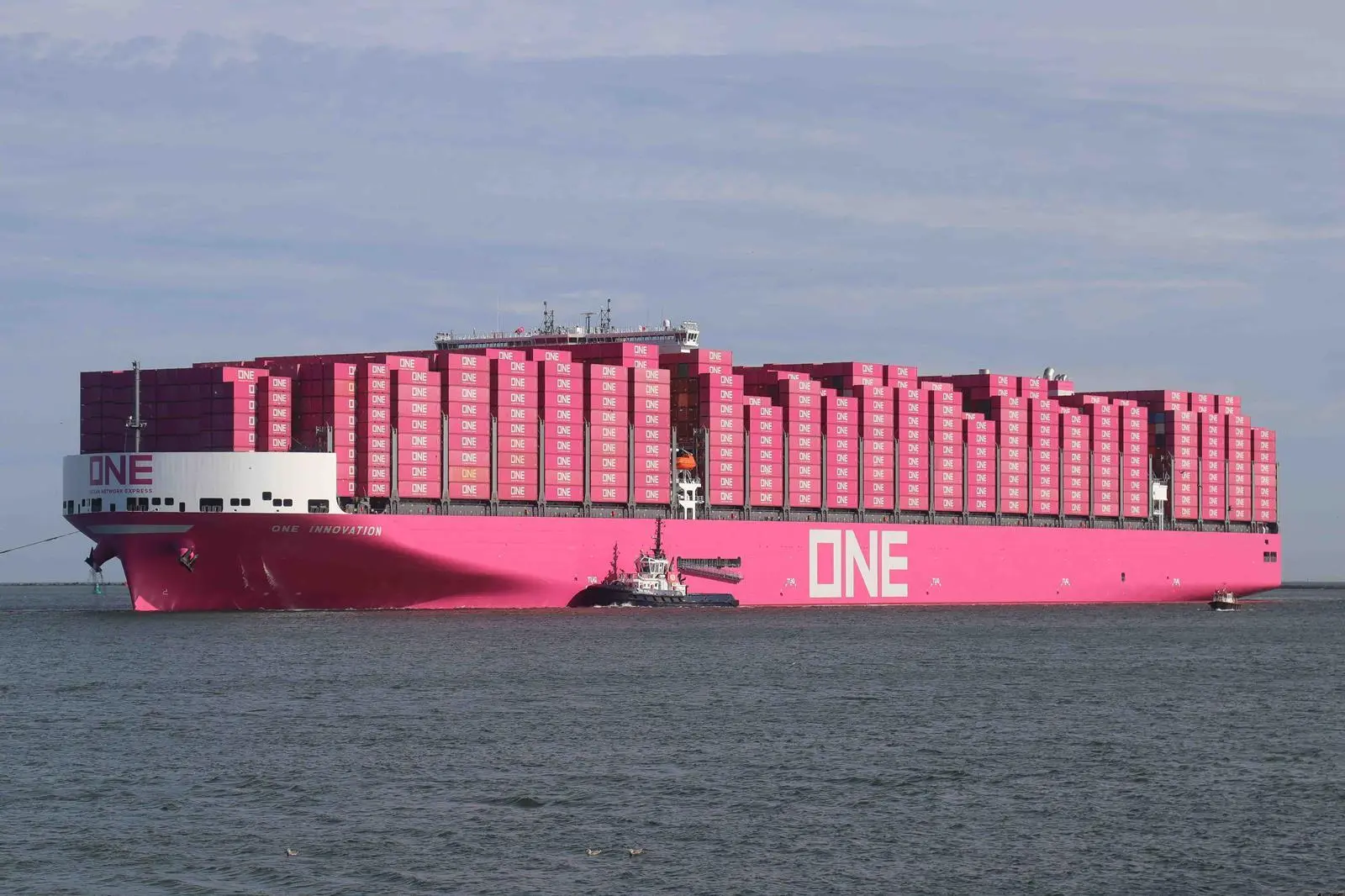
Through the International Salvage Union, the salvage industry has long highlighted challenges dealing with the changing shape of the world of shipping, including responding to increasingly larger container ships, the uncertainty of the contents of containers and the age-old problem of vessel fires. Demanding extra attention now are the increasing numbers of electric vehicles (EVs) transported by sea.
Fire is “a major cause of loss for large vessels”, particularly ro-ro ships that are more exposed to fire and stability issues, and the review identifies the “ongoing debate” about fire risks in transporting EVs.
Several carriers have taken a cautious approach to transporting EVs, including upgrading fire-fighting provision. The review says that the transport of consumer goods such as e-scooters is “still not as good as it needs to be”.
Related Articles
 SPONSOREDSTORY
 INDUSTRY NEWS
 INDUSTRY NEWS