![MaritimeJournal[Seawork]](https://www.maritimejournal.com/wp-content/uploads/2026/09/MaritimeJournalSeawork.svg)




EXCLUSIVE: Cummins $10m master engine rebuild centre opens
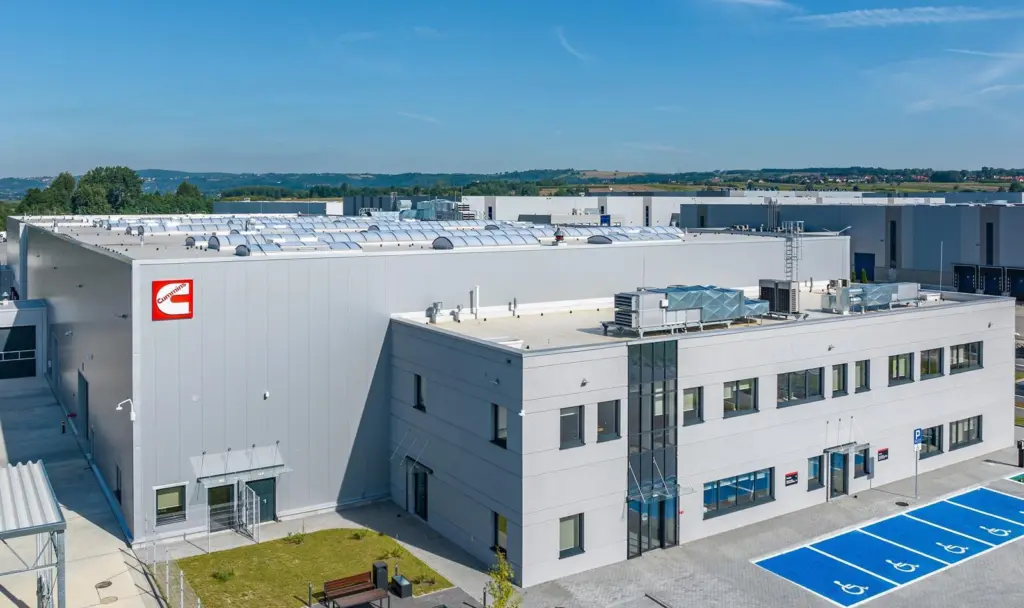
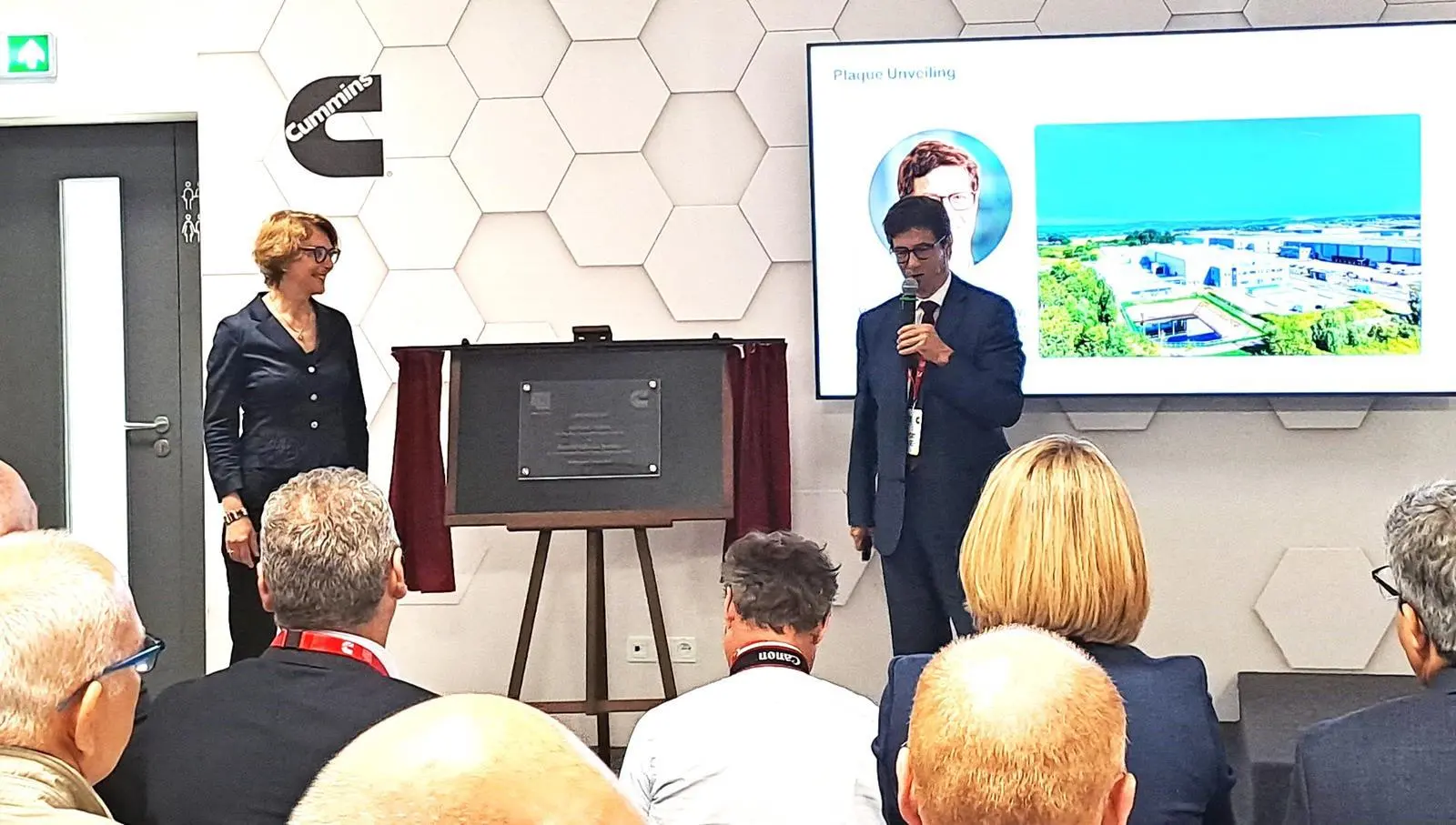
No expense was spared by US-based engine manufacturer Cummins on the opening of its new $10 million master rebuild centre (MRC) in Krakow, the former capital of Poland, this week.
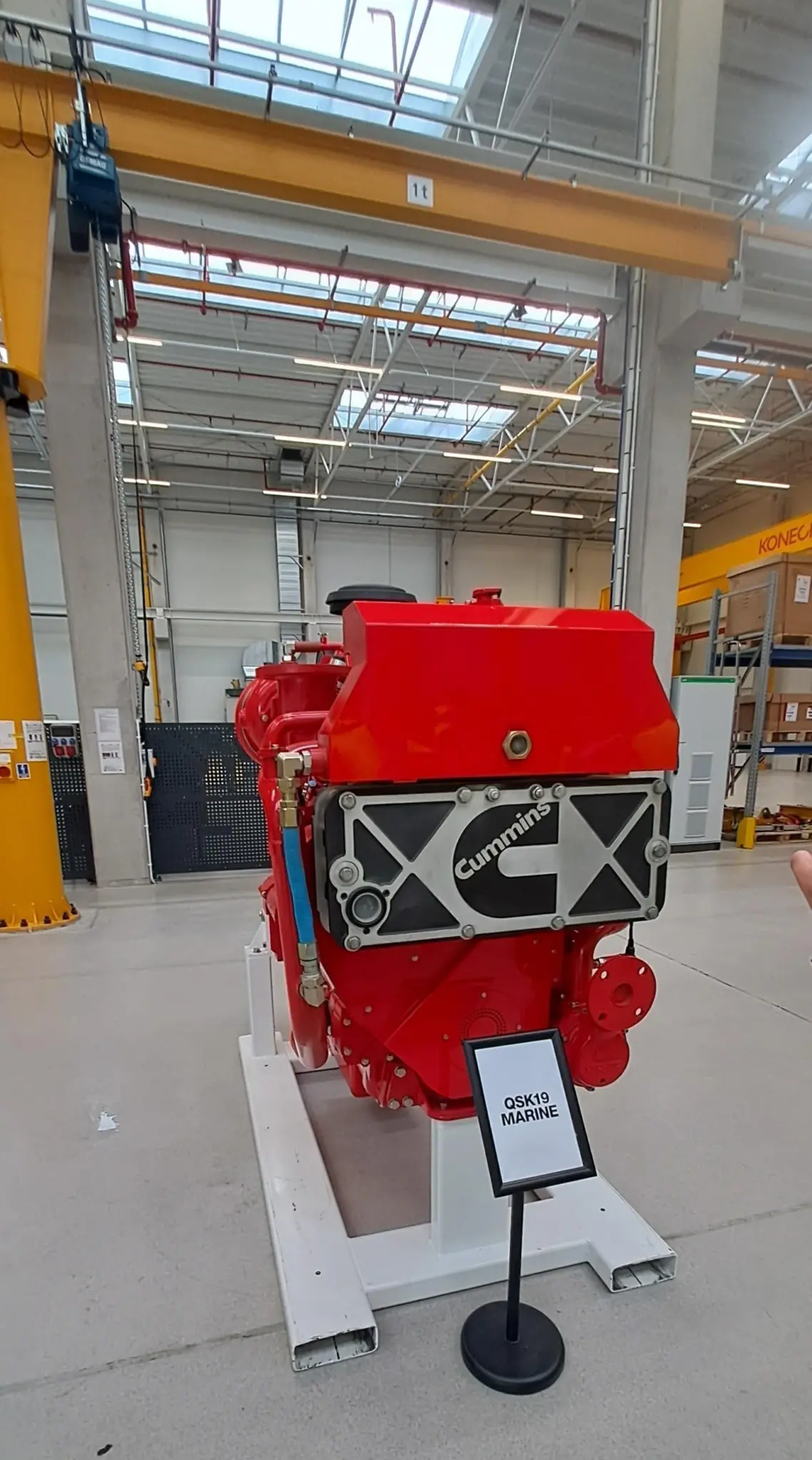
While engines from a whole range of sectors will be rebuilt at the centre, from mining applications to trains, road transport and construction, marine engines for tugs, passenger vessels, patrol vessels, defence and fishing will be taken in and rebuilt to offer 20-30% savings to customers over new engines.
The MRC is the 15th that Cummins has across the world – but the first one in Europe. At the 4,600m2 facility, high horsepower engines with displacements of 19 to 78 litres, and in the 450 to 3500 horsepower range, will be rebuilt.
Accommodating press and customers in the Saski Hilton Hotel in central Krakow, guests were taken on a half-day tour of the new facility, which prides itself on offering three options for rebuild – the ’Classic’ in-frame rebuild in situ; an ’Advanced’ option where the engine is removed from the application and taken into the factory; and the ‘Ultimate’ rebuild, a process which will result in an engine emerging from the factory as good as new.
And because of the Service Exchange method, customers can pick up a rebuild after just a weekend without having to wait for their particular engine to be finished.
Chris Brown, Aftermarket Development Channel management director for Europe, told guests an Ultimate rebuild would save the seven months or so it could take to order and receive a new engine, at 70-80% of the cost.
The factory will employ up to 70 staff when at full capacity, Cummins says, and turn over up to 300 engines a year.
Each one will take 35 days for complete dissassembly, deep cleaning, inspection, components replacement, re-assembly and testing, all done in a factory environment as opposed to the more traditional workshop method.
“This place is the epicentre of all our products,” said Brown. “This epicentre is part of our overall strategy, the final piece of the jigsaw.”
Future fuel considerations
Cummins is not ignoring the challenges that lie ahead with uncertainly over the direction in which engines may have to travel when it comes to future fuels.
“A lot of this is happening to decarbonise our economy and Cummins is working very hard to figure out how we do it,” said Alok Joshi, Cummins Power Generation business director.
“Most of our products are compliant today, our products are HVO compliant as well, and we are looking at fuels as one aspect. But what we want to offer is flexibility with the type of fuel that can be used and then there is also talk about hydrogen in future, there’s talk about how we work with hybrids and other technologies to make sure that we play a significant part in decarbonisation.
“I think there is a lot of change. This is the biggest thing that all of us are dealing with and Cummins is in the middle of it because we make engines and technology’s changing, so most of us are spending a disproportionate amount of our time trying to figure this out. It will be difficult.
“There will be a lot of technologies that will come and then fade away. There will be some technologies which will really develop well, and in different segments might use different technologies.
“You are seeing already in automotive, especially in the lower range, batteries are very popular, and that technology, especially in Europe is going to be very very strong. Different segments will go different ways and Cummins is investing in a lot of these technologies to make sure it is successful in all of them.”
“Cummins is working with a consortium of companies to develop a dual-fuel solution for our QSK60 engine,” said Director – Marine Europe Cedric Merveillaud. “This work is part of the ZEVI-funded work to decarbonise shipping in the UK. The partners are Ocean Infinity, Promen and the Port of Aberdeen.
“This is an important element to our technology bridge strategy to allow for decarbonisation to start sooner, and to allow for retrofit of existing fleets.Initial application for the dual-fuel methanol technology will be for offshore SOV, with a distributed power system using multiple engines and batteries to provide power to the vessel.
“The vessel will use HVO and methanol to substantially reduce the carbon footprint of the vessel. That project aims to develop the engine in a test cell in 2024, and we hope to do the field test some time in 2025.”
You can hear full details of the factory tour and interviews at the event on our exclusive podcast, coming soon.