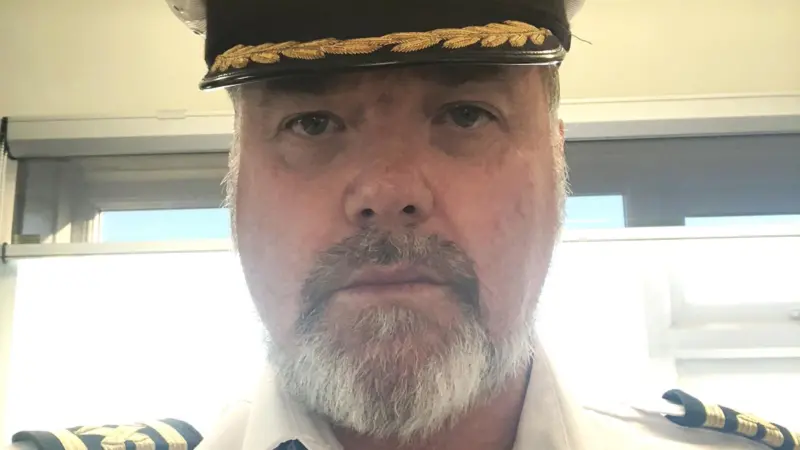


PROFILE: Sanmar Shipyards chairman Ali Gürün
In 2026 it will be half a century since Sanmar Shipyards was set up by Orhan Gürün and his brother-in-law, the late Gökçen Seven.
The Istanbul shipyard’s first tug, delivered in 1990, was a single-screw vessel with a bollard pull of just 22 tonnes.
Since then, Sanmar has become a major player in the sector across six continents, thanks in part to its close relationship with Canadian naval architects at Robert Allan, who have designed every single tug built by the shipyard.
It’s also expanded to two shipyards, with beautiful modern offices added to the newer one in Altinova.
But while chairman Ali Gürün is keen to stress how open his team is to new design ideas – “it’s in the heritage, the DNA of the team,” he says – “they design submarine robots in their spare time, as a hobby” – he also accepts that if you move too fast, you can get caught out.
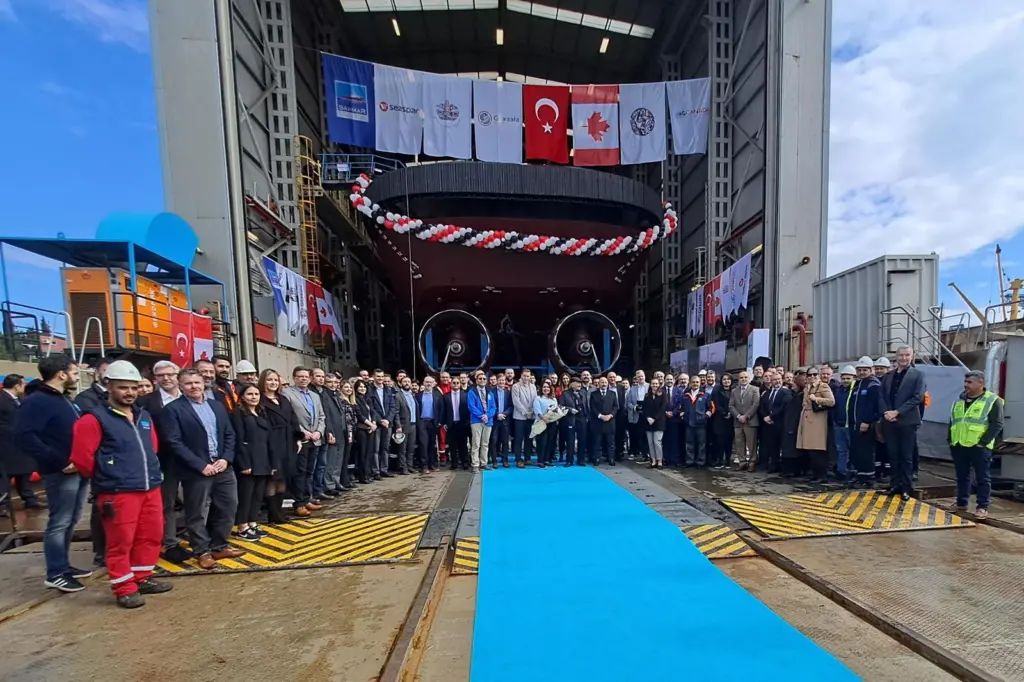
We caught up with Ali Gürün at the naming ceremony of five new tugs this month in Istanbul, two of them LNG fuelled, the other three battery electric propulsion.
These new vessels have been widely triumphed, he says – but sometimes a more cautious approach is wiser.
“We spent a lot of time a couple of years ago, developing a tugboat with Caterpillar,” he says. “We built and operated it and then the supplier decided it was too expensive.
“It’s like walking in a forest with a machete. If you make your own way that’s good, but the people following you have fewer challenges because you’ve already made the cuts. But what happens if you get to a place that’s no good and you need to go back?
“Sometimes it’s better to follow the man with the machete. Being over brave may not always be the best commercial decision. There is a sweet spot between them.”
Hands-on approach
There is also a sweet spot between scale and control, he says.
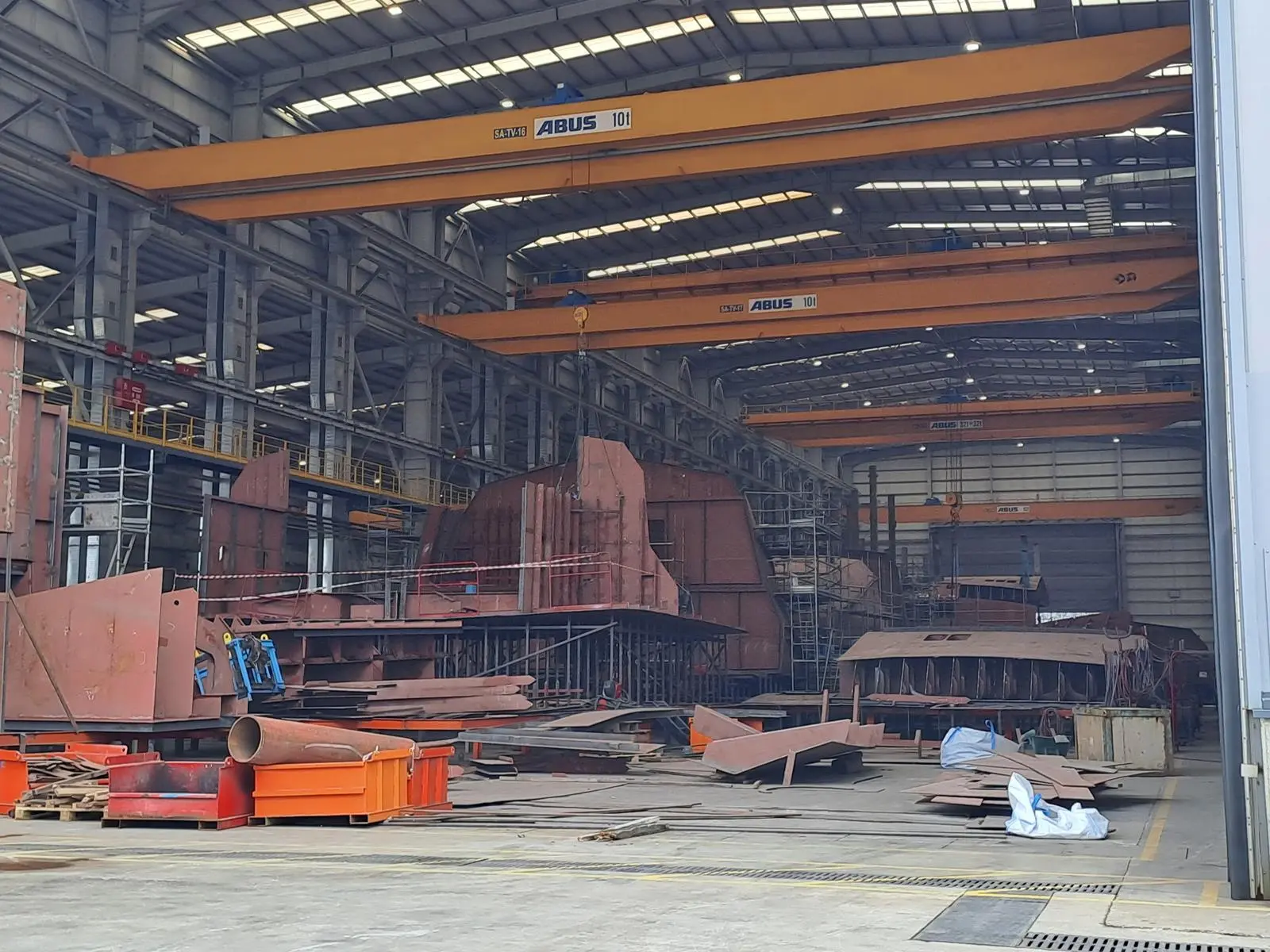
“As the yards get bigger, the scale economy increases but controlling everything gets more difficult,” he says. “I think expansion should take place at more than one tugboat per week. We think that if we expand too much we will lose the hands-on experience and it will become like automobile production. We don’t want that. In shipbuilding it should be a tailor-made solution, like a tailor who optimises some parts of the jacket while other parts come from the textile industry.”
It’s important, he says, to talk to the client – and maybe tinker with the design if necessary – all part of the Sanmar service.
“Extreme range means extreme money,” says Gürün. “So we ask the client about their operational profile and build the tug according to that.
“We have a technical specification that we need to follow but we also have our tugboat operator head on, and sometimes we have other ideas on designs. We give those submissions to them and we have managed to make those tiny little upgrades.
“As the technology grows, as the clients ask for a higher spec and more complicated specs, our advantage actually increases because that’s what we deliver; with relatively simple, standard boats, we lose our competitive edge. But time will tell.”
Nurturing Turkish shipbuilding
Turkey has about 80 shipyards concentrated in Tuzla, many of which are repair and maintenance yards and others, like Sanmar, are builders.
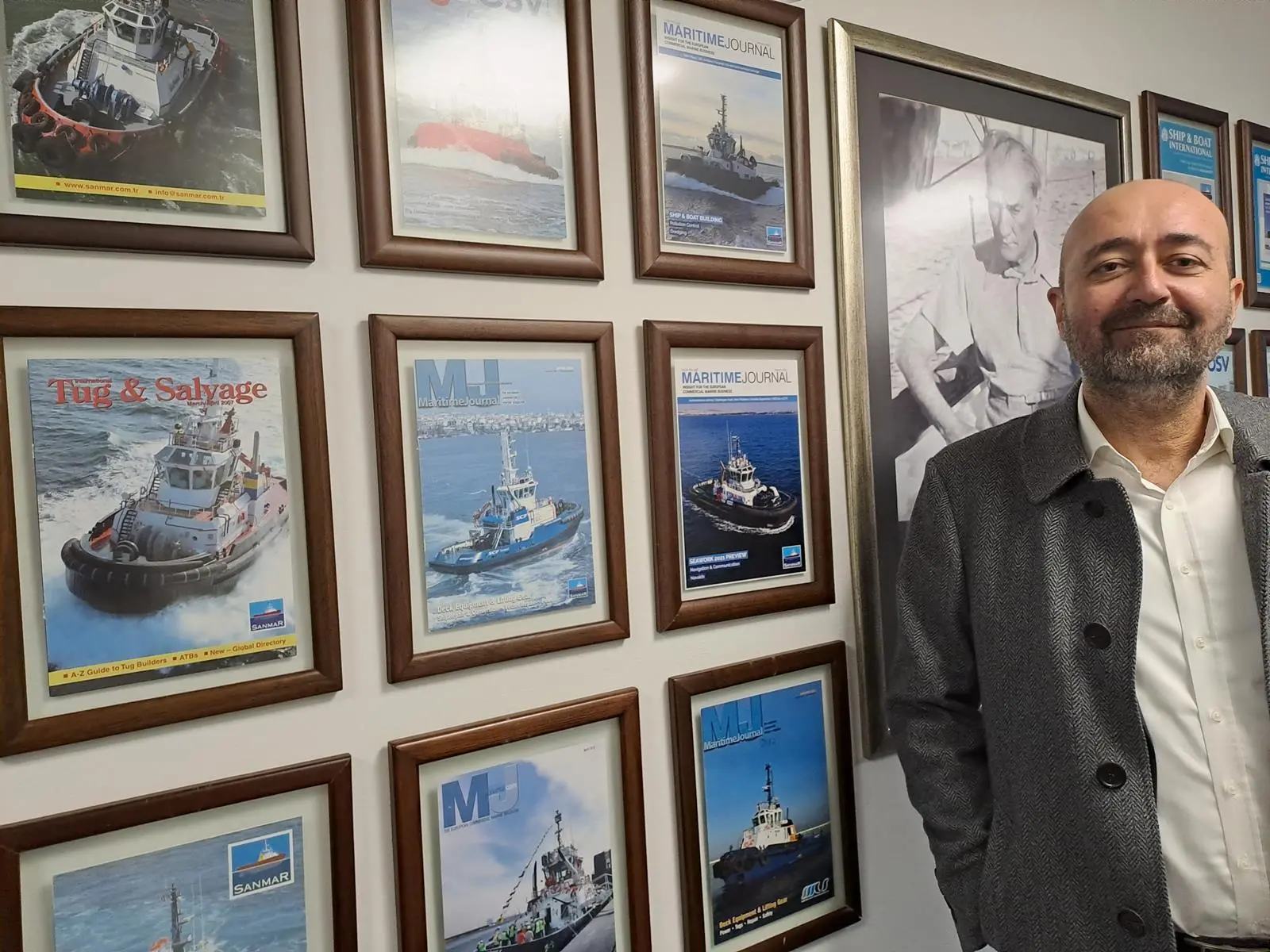
Sanmar is keen to help nurture young talents to make sure the industry has a bright future there.
“In Turkey, people need jobs and we need to grow, build and trade,” says Gürün. “We have a relatively easier supply of good craftsmen, engineers and technicians – they are young, trained naval architects.
“Last year we started an engineering development programme in Sanmar, and it means that every year six new graduate engineers join us working in different parts of the company. After two years they can choose what they want to do.”