





Lidar for the Bell Rock
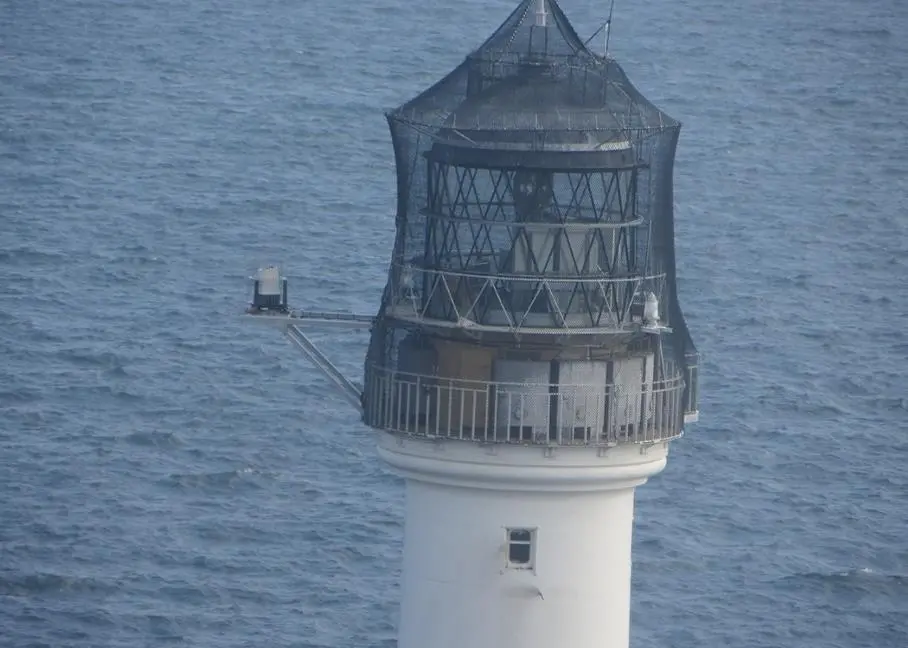
Inch Cape Offshore Limited has successfully deployed a ZephIR 300 lidar on the historic Bell Rock lighthouse, 17km off the Angus coast, Scotland. ZephIR 300 has been mounted on a platform on the north east of the lighthouse using a specially designed support frame measuring wind direction and wind velocity and will augment wind measurements from onshore sources and from a dedicated offshore met mast.
The ZephIR wind data provides a real opportunity to enhance the energy assessment and revenue forecasting, which is an essential part of design refinement and the overall business case for the project. Stephen Kerr, Inch Cape Project Director said: “We are delighted that the ZephIR 300 lidar has been installed safely, on time, and is performing well. Wind data collected from this location will greatly enhance our understanding of the conditions offshore. We have worked closely with the ZephIR team and the Northern Lighthouse Board throughout the design and deployment on this iconic lighthouse and thank all parties for their ongoing support.”
The installation of the unit was carried out by SgurrEnergy who designed and fabricated a support structure which secures the ZephIR device near the top of the lighthouse. The design and installation have been optimised to reduce time spent offshore and minimise impacts on the lighthouse operation and the structure itself.
Successful installation was completed safely by a range of specialists under the supervision of SgurrEnergy and the Northern Lighthouse Board.
The Bell Rock Lighthouse is the world’s oldest surviving sea-washed lighthouse. It was built between 1807 and 1810 by Robert Stevenson on the Bell Rock (also known as Inchcape) in the North Sea, 11 miles (18 km) east of the Firth of Tay. Standing 35 metres (115 ft) tall, its light is visible from 35 statute miles (56 km) inland.
By Jake Frith
Related Articles
 VESSELS
 MARINE CONSTRUCTION
 VESSELS