![MaritimeJournal[Seawork]](https://www.maritimejournal.com/wp-content/uploads/2026/09/MaritimeJournalSeawork.svg)


Lerwick Harbour digs deeper for 2nd time in a generation
Almost two decades after Lerwick Harbour finished a major dredging project, the port is once again digging deep with the return of vessels engaged in the 2008 works.
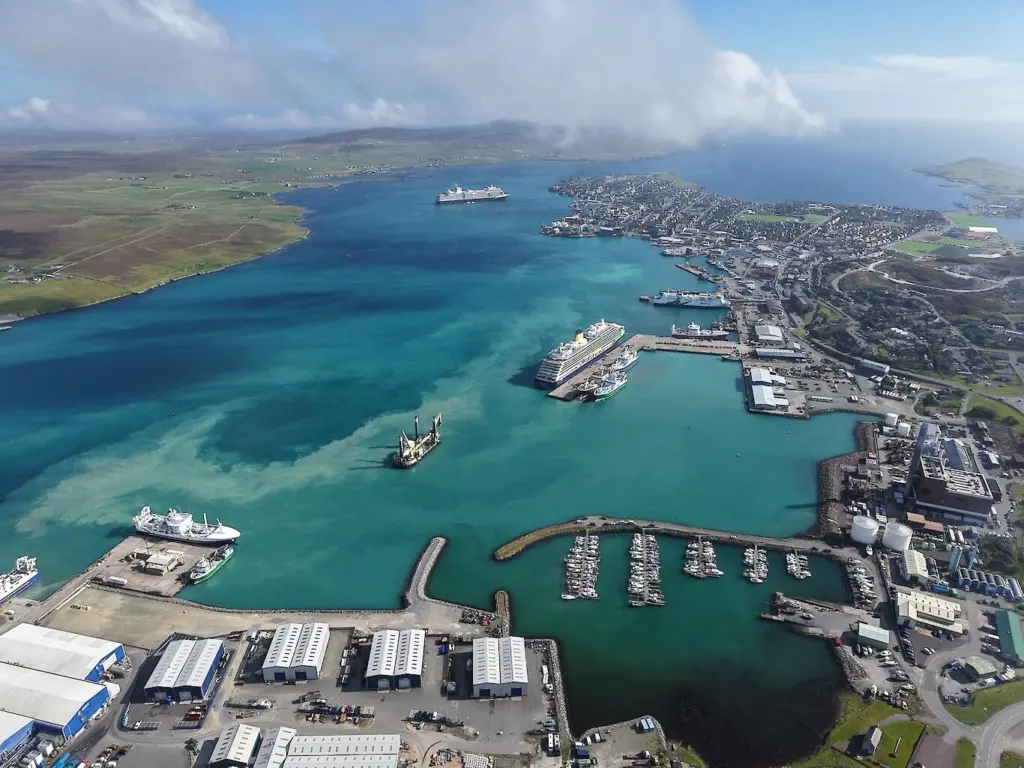
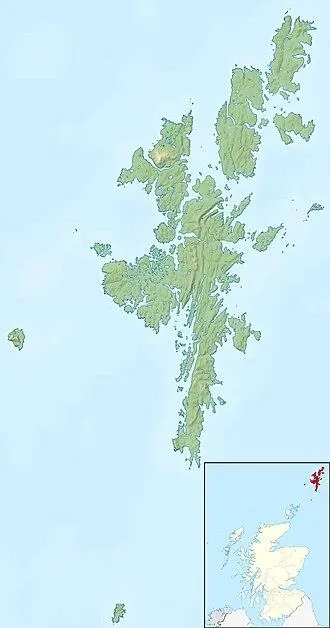
The harbour, on the remote Scottish Shetland Islands, is preparing for the changing demands of fishing, cruising, energy and other offshore industries.
Drill barge Rock Mate and backhoe dredger Manu Pekka – both of which took part in the harbour’s 2008 dredging campaign – have already mobilised to Lerwick, supported by workboat Jenny D and cargo vessel Shetland Trader, the port authority says.
The latest capital dredging programme is being carried out for Lerwick Port Authority by specialist contractor Boskalis Westminster, which won the official tender valuing the works at £19.4 million (€22.7 million).
The work is due to finish next month, with 24-hour operations planned.
“We are looking forward to completing the final phase of these dredging works, which will allow larger vessels to access the port’s facilities and deliver benefits across many sectors,” said Lerwick Port Authority chief executive Captain Calum Grains.
“This continued investment in Lerwick’s infrastructure is an important step in ensuring customers can make full use of the harbour’s capabilities.”
As well as industrial uses, the port is the main destination for tourists to Shetland, which increase in number year by year and had an ‘economic impact’ of more than £100 million (€117 million) in 2025 for the first time.
The project is managed by Arch Henderson LLP, a company of Haskoning and is supported by Bank of Scotland and Highlands and Islands Enterprise.
Echoes of 2008
The scale of today’s investment echoes the work carried out in 2008. According to the Port Authority’s account of the earlier project, the £12 million (€14 million) scheme removed almost 490,000m3 of seabed material, including rock, and deepened parts of the harbour from around six metres to nine metres. Some 5.8 hectares of land was also reclaimed north of Greenhead Base.
At the time, then Port Authority chief executive Sandra Laurenson said the project, which was touted as one of the largest marine civil engineering projects ever to be completed in Scotland, would ‘safeguard the future for the industries located in Lerwick, particularly in pelagic processing and offshore decommissioning’.
£500,000 was paid to the Crown Estate, which owns all of the seabed around the UK to 12 nautical miles, for the right to dredge, use the seabed material and buy the seabed.
At the time, offshore wind was still in its infancy, but now Dales Voe, part of the harbour that has historically been associated with oil and gas, is at the centre of plans for an Ultra Deep-Water Quay, intended to support offshore industries including renewables, conventional energy and decommissioning.
The proposed quay will ultimately have 101 metres of quayside, a water depth of 21 metres and at least six hectares of laydown area. The Scottish government estimates 305,000m3 of material will be dredged for the ultra-deep-water development, using trailer suction and backhoe dredging, with drilling and blasting required for some rock.
The government’s wider ultra-deep-water feasibility study identified Dales Voe and Nigg as the two preferred locations for such a facility, with Dales Voe benefiting from naturally deep water close to the existing quay.
The Scottish government has also granted Lerwick Port £1.175 million to prepare for the deep-water quay, saying the cash will boost Scotland’s offshore wind capability.
Almost two decades after Lerwick first dug deeper to strengthen its traditional maritime industries, the port is doing it again – this time with a view to the larger vessels and offshore energy projects of the next generation.