![MaritimeJournal[Seawork]](https://www.maritimejournal.com/wp-content/uploads/2026/09/MaritimeJournalSeawork.svg)


Accidents at sea: Is blame culture partly to blame?
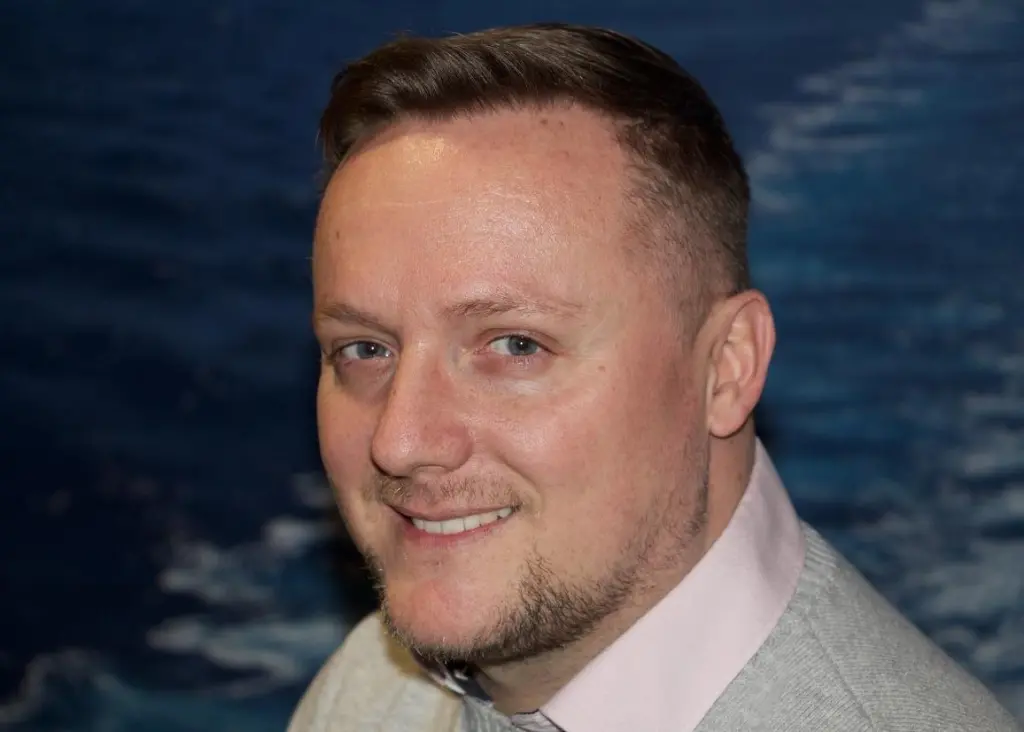
According to Captain Lee Clarke of training provider Tapiit Live, blame culture can cause deeper systemic issues to be overlooked.
As an industry that operates with a high level of self-sufficiency, the maritime sector relies very heavily on the seafarers and their senior officers keeping safety to a high standard whilst at sea. However, regardless of this effort, the maritime industry is one of the most dangerous in the world with 19,418 incidents recorded by the European Maritime Safety Agency between 2014 and 2019, of which there were 496 lives lost and 6,210 persons injured.
This level of danger, some may say, is due to the nature of the industry; the sea is a dangerous place and the machinery is heavy and brings considerable risk. However, one of the most significant issues is a divisive ‘blame’ culture.
The systems designed and put in place are often never deemed ‘at fault’, instead it is the seafarers themselves who are usually held to account. Of course, human error will also be a factor, but systems are designed to mitigate those human error risks and if systems and processes aren’t updated, then those errors will continue.
Training is often seen as the answer to these challenges, and rightly so, but with a culture in place that puts the onus on the seafarer and not the process, company or shoreside team, then the training will often land on deaf ears.
The Tapiit Live Safety with a Difference course focuses on more than just the crucial, lifesaving, check boxes. It also delves into the cultural issues that need to be solved including: tackling the fear of open safety conversations; increasing a general level of knowledge of risk assessments; introducing a just culture and mentality and providing senior officers with the tools to tackle difficult discussions.
The method of delivery is also crucial in the success of these courses. Ensuring they are delivered as a team course gives the lower ranking seafarers the peace of mind that they are supported by senior management when reporting safety issues.
For training to be effective at mitigating risk and keeping seafarers safe, there is still a job to be done by shoreside teams and companies in enabling their employees to feel confident in reporting issues to their senior officers. Physical process and training will also be critical but cultural change is the key to making the industry safer.
Tapiit Live was formed in 2019 to provide a high-quality, cost-effective and practical alternative to shore-based maritime training and a more impactful and engaging platform compared to traditional e-learning. Its livestreamed, interactive training provides the experience of face-to-face teaching without the need bring the ship back to shore.

Related Articles
 ACCESSORIES & EQUIPMENT
 OTHER NEWS
 ACCESSORIES & EQUIPMENT