![MaritimeJournal[Seawork]](https://www.maritimejournal.com/wp-content/uploads/2026/09/MaritimeJournalSeawork.svg)





Deck gear is critical, but can be costly
It when it comes to a view of the specialist workboat, supply and support sectors, e-procurement companies are in a privileged position and Shipserv has unearthed some pertinent data on deck equipment.
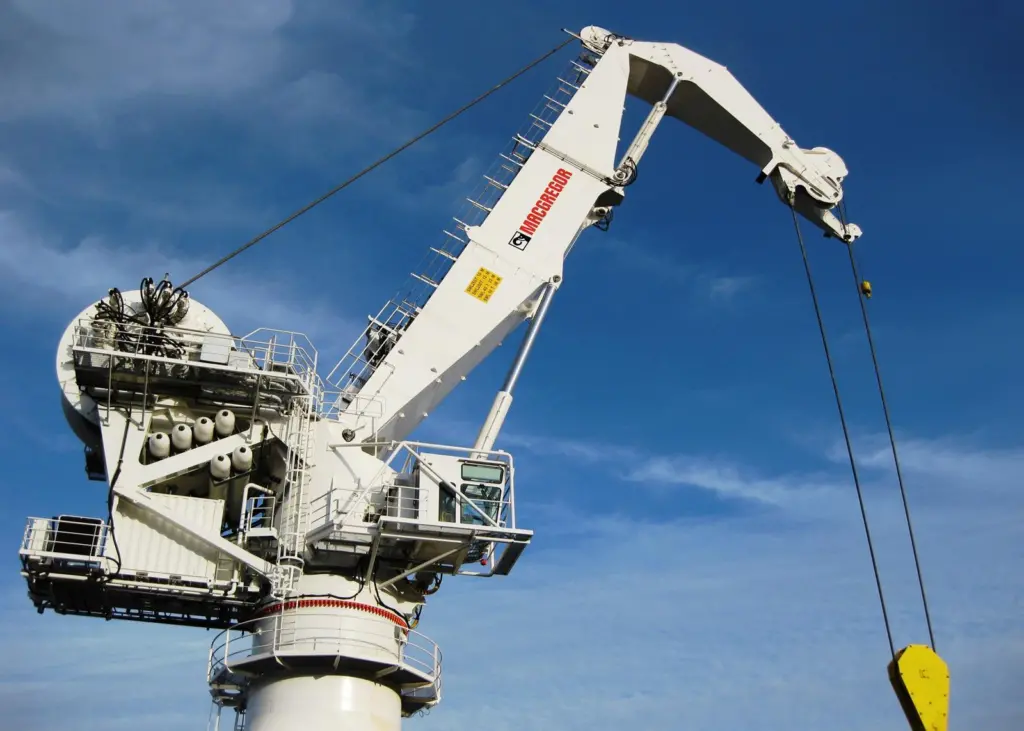
“We have found that some offshore support operators have got very specialised kit onboard – and the cost of maintaining that equipment can be high,” said Mark Warner of Shipserv.
For example, active heave compensated cranes or gangways can help run up a substantial bill.
In fact maintaining the deck equipment can absorb around 19% of the total maintenance budget for an offshore support vessel; almost neck and neck with the cost of lubricants, which on a sophisticated vessel takes around 20%, surprisingly well ahead of bridge navigation equipment (14%) and paints and coatings (7%).
“This is in contrast to something like the cruise industry where deck equipment maintenance may only account for 6% or 7% of the spares and maintenance spend,” said Mr Warner.
A more detailed breakdown by ShipServ showed that top of the deck equipment expenses came hydraulic winches and related systems, anchors chains and fenders coming next, mooring ropes wires and cables take third place while cranes tie with gangways and ladders for the next slice of expenditure.
The data was based on the aggregated annual spend of over 900 offshore support vessels that use the ShipServ platform for their purchasing activities.
He explained that the drop in general vessel utilisation post 2009 meant some owners held back on non-critical maintenance: however many companies have now realised that put-off maintenance now had to be called in, resulting in a recent spate of spares orders.
On the other hand, a few parts of the industry such as the offshore support sector retained very high utilisation rates despite the difficulties; this has resulted in vessels operating almost continually without much room for equipment downtime. Plus of course the more sophisticated the vessel, the higher the investment costs, and the more critical it is to keep it employed.
Likewise, if there’s a need for a part, it’s not always going to be that easy to source it if the vessel is a long way away from its usual suppliers.
Mr Warner pointed out that this has meant a growth in e-procurement, as it gets around the issues of getting hold of spares or supplies in an unfamiliar market where there’s not just an extended email trail, but there’s also a fairly high chance of error and often poor visibility into the current status of the order.
Shipserv’s new supplier recommendation service – ShipServ Match – also allows owners and managers to find the most relevant suppliers in unfamiliar ports and helps reduce freight costs and inventory issues.
By Stevie Knight
Related Articles
 OTHER NEWS
 ACCESSORIES & EQUIPMENT
 ACCESSORIES & EQUIPMENT