![MaritimeJournal[Seawork]](https://www.maritimejournal.com/wp-content/uploads/2026/09/MaritimeJournalSeawork.svg)


Digitisation will help sector keep competitive
This summer saw two international events aiming to help mariners plan for a future of digital navigation – with the finding that many expect this, along with modern on-board communications, will assist both efficiency and crew retention.
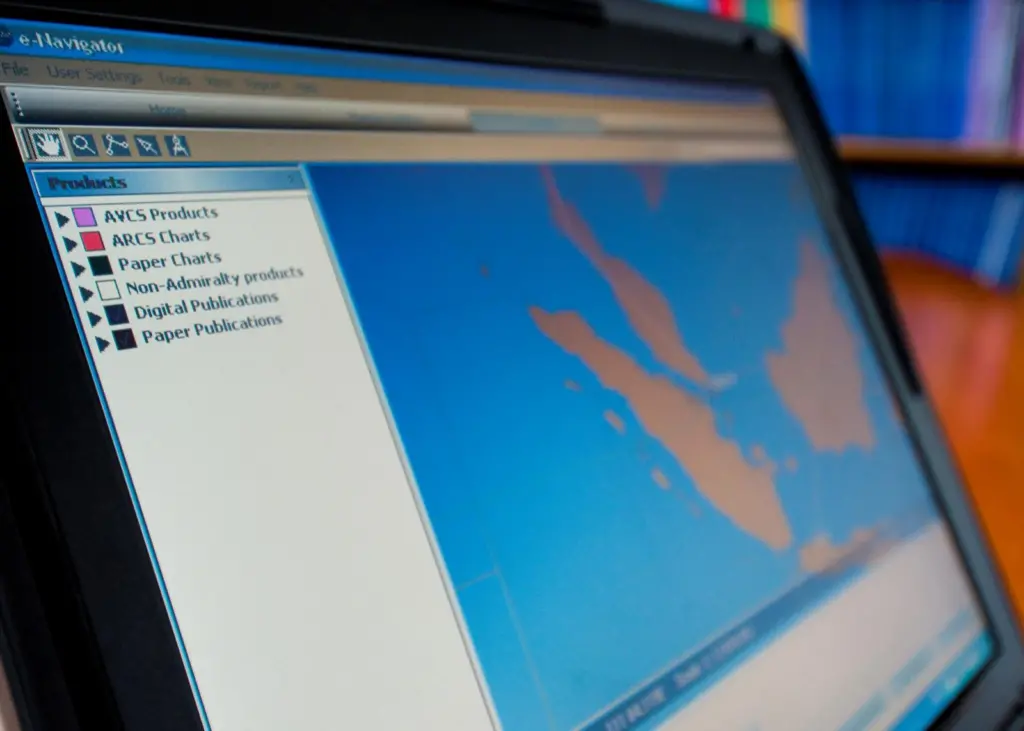
With less than two years before the first of the IMO’s deadlines for the compulsory carriage of ECDIS, two United Kingdom Hydrographic Office (UKHO) events held in Hamburg and Singapore covered a number of the key issues mariners and shipping companies face in making the transition to digital navigation.
‘The shift to digital navigation technology and processes clearly has the potential to make a dramatic impact on the workload of our crew, and significantly increase our overall operational efficiency. Achieving those benefits across a fleet will require a detailed and informed planning process,’ said delegate Kamal Uddin Ahmed, technical manager at Goodwood Ship Management.
Feedback from attendees at the German event underlined just how challenging a business environment the shipping industry is today. Over 80% of the attendees felt it is now harder than ever to make a profit in shipping while satisfying the demands of environmental and safety regulation. Further, the business challenges are exacerbated by the difficulty of retaining crew and staff, a problem which was identified at the event as being the most significant threat to the sector.
However, they also felt that digital navigation would help directly address both of these issues. Almost 80% of them agreed that there are real benefits in moving their crew from protective to proactive digital navigation, a move that will see crews not just navigating for safety, but enabling them to travel more efficiently, more quickly, and with less impact on the environment.
Nearly half (43%) attending the Hamburg event felt that digital navigation will increase the efficiency of their crew, and a quarter expect electronic navigation to reduce the administrative burden. Over half agreed that delivering a modern on-board communications infrastructure and adopting a forward-looking company approach were key factors in retaining crew.
In Singapore, the question of how marine superintendents would like to see their ships order chart updates was raised. Over 40% of delegates opted for updates ordered by the office with input from the vessel. Another 32% said they would let their distributor select and provide the data, which still left 23% indicating they would allow the vessel to make the order with a minimum of intervention. The UKHO’s Admiralty e-Navigator is designed to meet all of those needs, with a series of check points and validation to ensure compliance with company policy.
Related Articles
 ACCESSORIES & EQUIPMENT
 ACCESSORIES & EQUIPMENT
 ACCESSORIES & EQUIPMENT