![MaritimeJournal[Seawork]](https://www.maritimejournal.com/wp-content/uploads/2026/09/MaritimeJournalSeawork.svg)



Interferry sets sights on perfection myth
A former airline pilot will stress at Interferry’s 38th annual conference that safety depends on recognising the potential for human error rather than pursuing ‘the myth of perfection’.
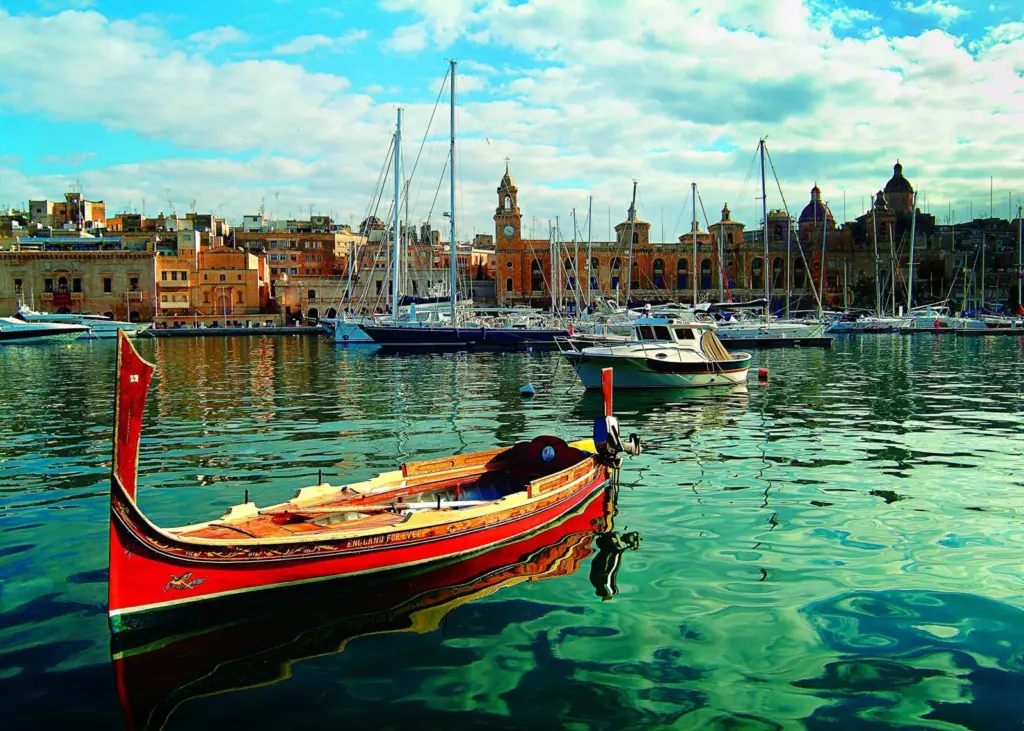
The trade association event takes place in Malta from October 5-9 with an agenda dominated by safety issues.
Insights on how the aviation industry builds and maintains safety culture will come from special guest speaker Jarle Gimmestad of Norway based operational safety consultancy Gimmestad AS. He was previously with Scandinavian airline SAS as a captain and then as human factors and crew resource manager, which included working with the accident investigation group.
Pointing to the continuously improving safety record of air travel, he notes: “There is a significant tendency. While undesired events used to be caused by technical insufficiency, we now realise that most are contributed by human error. We have left the myth of perfection. Human error is a natural part of human behaviour. It’s the downside of having a brain.”
Mr Gimmestad suggests that other industries can also benefit by focusing on this ‘admittance of error’ and three further factors driving airline safety initiatives:
· The crew rather than the superb captain
· The procedure rather than the individual habit
· A safety culture including the entire value chain
A plea for efficient cooperation between regulators and industry will mark the keynote address by Christian Breinholt, deputy director-general of the Danish Maritime Authority and chairman of the IMO Maritime Safety Committee.
The implications of new safety regulations will be discussed by a panel of operators. Their think-tank follows a session on damage stability, which includes analysis of the technical challenges specific to ro-pax vessels by academic Dracos Vassalos, professor of maritime safety and director of the ship safety research centre at the UK’s Strathclyde University.
He will outline how the introduction of probabilistic, goals based regulations in place of a rules based approach prompted a fundamental change in addressing ship design and operation, allowing vessels to be built with a known safety level for the first time in maritime legislation history. But as he will point out: “This newly gained knowledge and freedom enabled the designer and the regulator to delve deeper and to become wiser, and this has brought to light quantifiable indications of the vulnerability of ro-pax ships in the damaged condition.”
Prof. Vassalos will also highlight examples of dangerous practices during operation, a ‘box ticking’ approach to the ISM, and lack of preparedness for emergencies.
Leigh McCue-Weil, associate professor in the aerospace and ocean engineering department at Virginia Tech, USA, will demonstrate two mobile technology applications relating to small craft motion and vessel drills. Initially created for commercial fishermen, the tools have attracted industry-wide interest and could be adapted for ferry use.
This year’s conference will also be notable for reducing the number of presentations and placing more emphasis on panel debates. In addition to the safety discussion, this will include panels on the critical issues and opportunities for both large and small operators, featuring a global line-up of chief executives.
Related Articles
 ACCESSORIES & EQUIPMENT
 ACCESSORIES & EQUIPMENT
 ACCESSORIES & EQUIPMENT