

TT Club calls for quay crane operator protection
The London based TT Club has called for a cleaner working environment for quay crane drivers at ports, and in particular wants new measures to protect them from ship stack emissions.
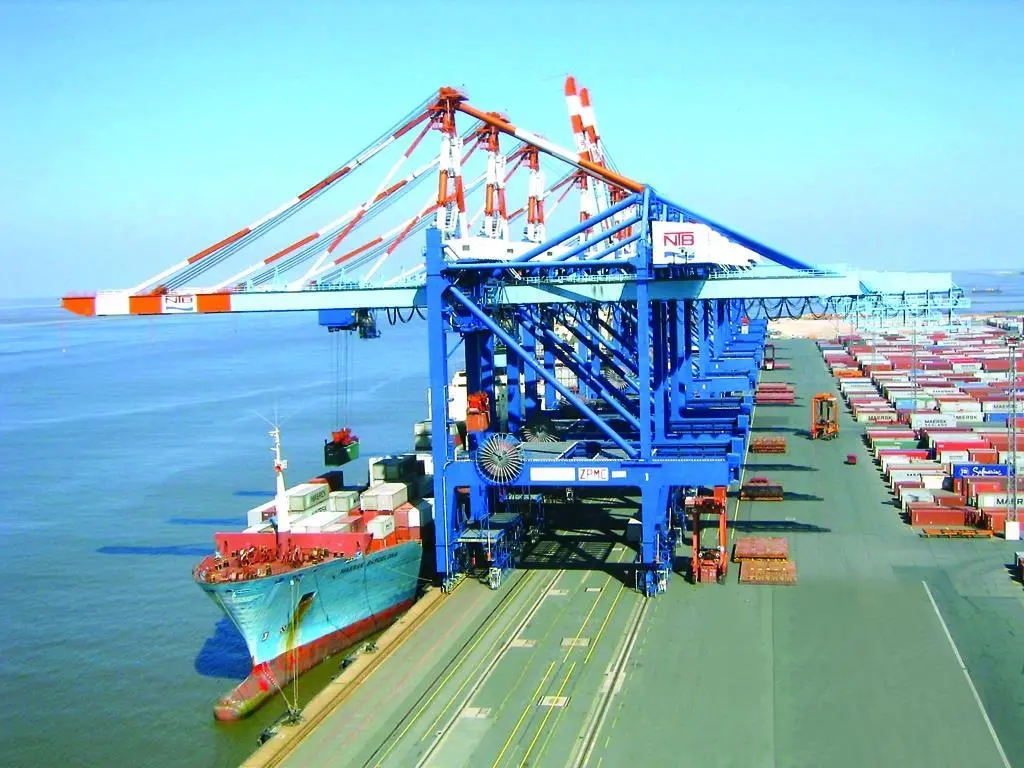
The call comes following a report on ship stack emissions from Laurence Jones, Director Global Risk Assessment, at the TT Club.In his report, Jones points out that the port employees most at risk from ship stack emissions are quay crane drivers. ‘Quay crane operators’ cabins are normally air conditioned and designed to be air-tight or at least prevent emissions from entering, but in many cases they are not, and a good deal of ship stack exhaust could be entering the cabins, says Jones. ‘At times crane operators can be less than three metres away from the top of a ship’s stack.’
The TT Club is recommending that quay crane cabins are properly risk assessed for this hazard. This should include air quality monitoring during operations, and appropriate control measures to counter any exposure to emissions. ‘This means ensuring cabins are air tight and have effective air conditioning units using high quality filters to prevent the entry of harmful emissions from ship’s stacks, Jones added. ‘This will provide a cleaner and safer environment for workers.’
Regulatory authorities, shipping lines, port authorities and terminals globally have for some time been considering ways to reduce ship stack emissions in ports. There are a number of options, including ‘cold ironing’ (providing vessels with power from the shore whilst in port), lower emission fuels, and even hoods over the ship’s stack and to contain and collect the emission.
More detailed information on air quality issues has recently been published by the International Association of Ports and Harbors (IAPH) in ‘IAPH Tool Box for Port Clean Air Programs’, available free of charge on the IAPH website (http://www.iaphworldports.org/).
Related Articles
 ACCESSORIES & EQUIPMENT
 ACCESSORIES & EQUIPMENT
 OTHER NEWS