![MaritimeJournal[Seawork]](https://www.maritimejournal.com/wp-content/uploads/2026/09/MaritimeJournalSeawork.svg)





Backlash over seabed seismic surveys
The African Energy Chamber has hit back at a decision by a South African high court to block seismic surveys underneath the seabed because environmental activists claim it damages the marine environment.
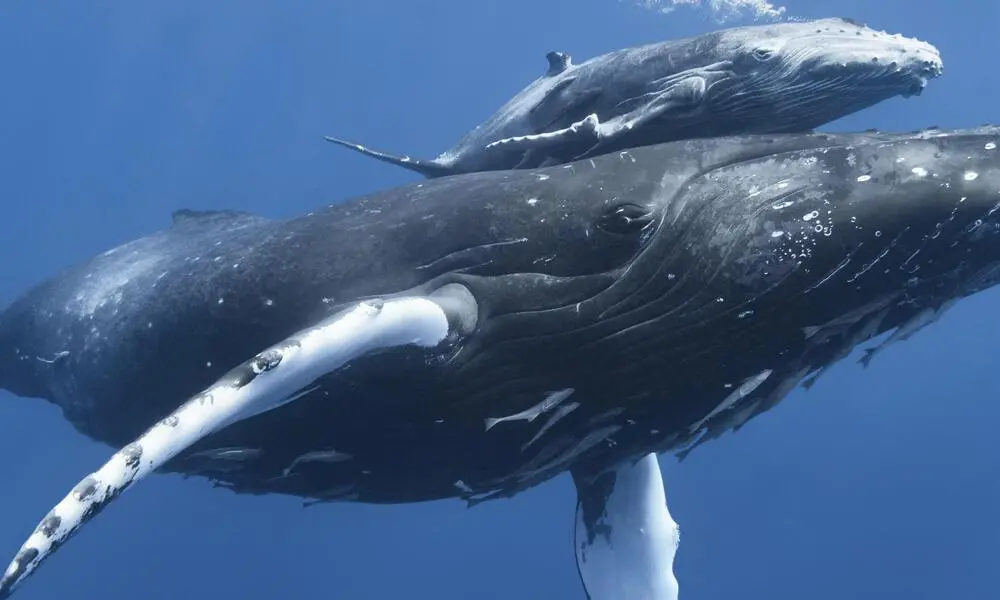
The African Energy Chamber has hit back at a decision by a South African high court to block seismic surveys underneath the seabed because environmental activists claim it damages the marine environment.
Seismic surveys are used to help oil and gas companies build an image of hydrocarbon deposits buried deep under the seabed, and are considered a reliable and quick way of finding new reserves.
“This is essential given that the world’s oil and gas supplies are dwindling even as energy demand is soaring, and renewables aren’t ready to do the heavy lifting of keeping the lights on around the globe,” the chamber says in its report Marine Life – the Misplaced Fury around Sound: Time to put the Record Straight on Seismic Surveys in South Africa and End the Energy Crisis.
According to the chamber, campaigners including Greenpeace have persuaded the Makhanda High Court to block surveys by oil giant Shell off the Wild Coast, attributing the beaching of a beaked whale and fish to the activity.
‘Science pitted against conjecture’
But the chamber says this ignores the science, which is being ‘pitted against conjecture’.
Oil companies, it says, have spent millions on safeguarding their seismic surveys, studying whale migration patterns so they can be avoided, and testing exactly how sound levels in the ocean affect marine animals.
Citing the Marine Mammal Observer Association, it says passive acoustic monitoring is used alongside visual observation to detect species more quickly and accurately, vastly reducing how they are affected.
“The system, in use worldwide, allows operators to shut down seismic activity if the software or an observer indicates a marine animal has entered what is known as the exclusion zone once seismic operations have begun,” it says.
“None of the considerable research into the impact of seismic surveys on marine life, including fish and marine mammals, has indicated any direct physical injury or biologically significant negative impacts, although they have found temporary behavioural changes as far as a few kilometres out. That’s after more than 300 seismic studies have been completed around the world.
“In the absence of an established renewables infrastructure, this decision is likely to plunge even more citizens into darkness. Right now, and for the foreseeable future, fossil fuels are what South Africa has to depend on to meet its growing energy needs. Why limit the chance to become energy secure when the solution lies just off the nation’s shores?”

Related Articles
 ENVIRONMENT
 DREDGING & FLOOD DEFENCE
 ENVIRONMENT