![MaritimeJournal[Seawork]](https://www.maritimejournal.com/wp-content/uploads/2026/09/MaritimeJournalSeawork.svg)





Huge global demand revealed for wind technicians
New figures reveal the workforce challenge facing the global wind industry with nearly 600,000 technicians needed to service the sector during the next five years.
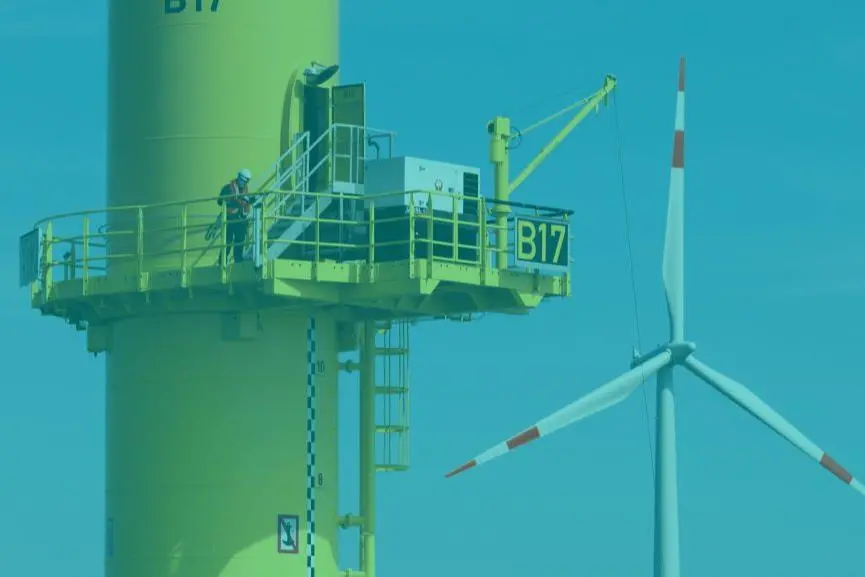
The Global Wind Workforce Outlook 2023-2027 sets out that over 574,000 technicians will be required for C&I and O&M by 2027.
But to keep pace with this growth, almost 43% of them, or 240,000 roles, will need to be new recruits to the industry, joining from an education and recruitment pipeline or transferring from other sectors, such as offshore oil and gas.
“Workforce development is top of mind for policymakers, industry associations and employers,” said Jakob Lau Holst, CEO of Global Wind Organisation (GWO).
“This underlines the need for a renewed focus on entry level skills that match the needs of employers and complements the existing capabilities people bring from other sectors and education systems.”
Huge growth
Annual wind energy installations are expected to double from 78 GW in 2022 to 155 GW in 2027, bringing the total wind capacity worldwide to more than 1,500 GW in just five years.
Driven by technology innovation and the fast-growing offshore wind market, the Outlook predicts a 17% rise in the number of wind technicians required for C&I and O&M over the five-year forecast period.
That growth would require an extra 84,600 technicians to support the expansion of wind power. However, with a typical 6% attrition rate the wind industry would also need to recruit an additional 159,200 people to replace the technicians expected to naturally exit the wind industry between 2023 to 2027.
The need to recruit the extra 243,800 new technicians over the next five years suggests a raft of opportunities for new talent to enter from full-time education and transition from other sectors, including from the conventional sector. This in turn highlights the wind sector’s role in supporting a just and equitable energy transition away from fossil fuels.
As a result, the report also highlights an urgent need for faster growth in safety and technical training capacity to meet the anticipated supply chain gaps.
Related Articles
 FEATURES & VIDEOS
 ENVIRONMENT
 OTHER NEWS