![MaritimeJournal[Seawork]](https://www.maritimejournal.com/wp-content/uploads/2026/09/MaritimeJournalSeawork.svg)






Officials approve largest wind farm in Irish Sea
An offshore wind farm set to be the largest in the Irish Sea by joint developers by BP and EnBW has been given the green light by the UK government.
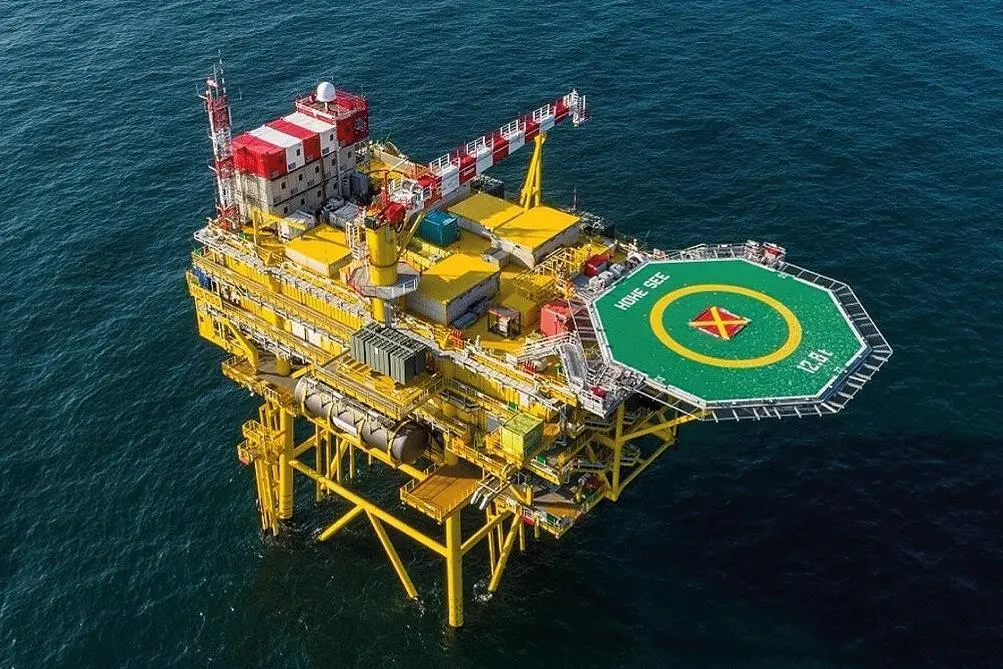
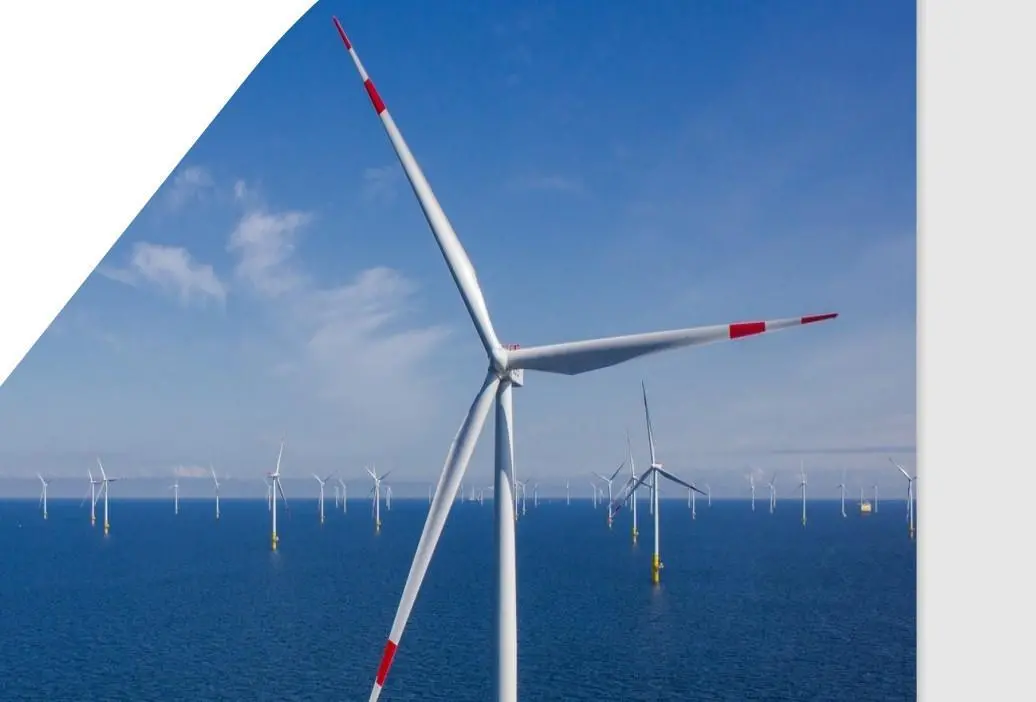
Up to 96 wind turbines, four offshore substation platforms and four transition bays to connect on and offshore cables will be built for the Mona Offshore Wind Farm in the Irish Sea between Dublin to the west and England and Wales to the east.
The proposed height of the wind turbine blade tips is between 293 and 364 metres above the lowest astronomical tide (LAT), with clearance of 34 metres above the surface level. Maximum hub height will be 204 metres above the LAT.
The project, says the Department for Energy Security and Net Zero (DESNZ) says once installed, the wind farm could power a million households (1.5GW).
However a report carried out to assess impacts and effects of the construction also acknowledges a range of negative impacts, including visual and aesthetic impacts on the sea and landscape; short-term but significant disruptions during construction; long-term visual intrusion during operations; cumulative landscape and visual degradation when considered with nearby offshore developments; and adverse effects on designated landscapes and sensitive viewpoints.
The decommissioning phase is also highlighted, with an estimated time needed of two years: “The decommissioning sequence will generally be the reverse of the construction sequence and involve similar types and numbers of vessels and equipment,” it says.
“Actual generation will vary somewhat based on site-specific factors,” says DESNZ. “It is not possible to continuously power a home through intermittent renewables – this capacity will work alongside the rest of the electricity system to power homes and businesses.”
The wind farm approval follows a February announcement by BP that it had carried out a ‘reset’ of its business strategy, which included starting up three major oil and gas projects out of 10 planned by the end of 2027.
“At peak production, they’ll add 100,000 barrels of oil equivalent a day net to BP,” a statement by CEO Murray Auchincloss said.
Related Articles
 FEATURES & VIDEOS
 ENVIRONMENT
 OTHER NEWS