![MaritimeJournal[Seawork]](https://www.maritimejournal.com/wp-content/uploads/2026/09/MaritimeJournalSeawork.svg)





Plans drawn up to electrify London’s iconic River Thames
UK Power Networks is leading a project to work out how the River Thames can provide electric power to vessels using the iconic waterway and also feed surplus power back into the grid.
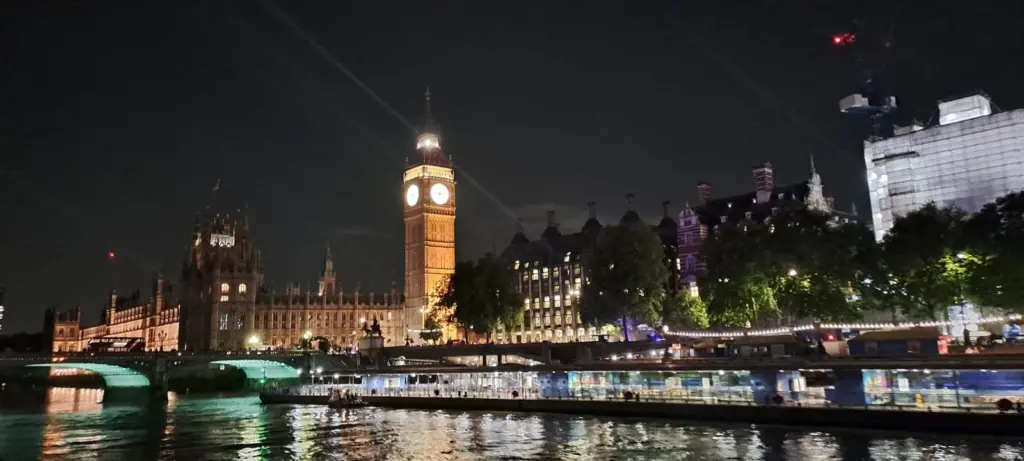
’Electric Thames’ is comprised of UK Power Networks, LCP Delta, Marine Zero, Ev.Energy and the Port of London Authority to analyse how and where vessels can charge and discharge into the grid and also which riverside sites could be suitable to host charging infrastructure.
“THe project has analysed tracking data for 62 of the 180 commercial vessels operating regularly on the River Thames,” says UK Power Networks, which owns and runs the cables and substations that deliver electricity from the national grid to homes and businesses across London and the south of England. “They used 38GWh of energy a year, which is equivalent to 10 million litres of diesel.”
This information can be used to calculate which upgrades will be required to the grid and inform the company’s long-term network planning. Twenty-one riverside sites have therefore been analysed to see if they could support necessary infrastructure.
It could all work with vessel-to-grid technology in a similar way to vehicle-to-grid, where a vehicle’s battery is discharged into the grid when the car is not being driven, and can be recharged when the grid is less under pressure, for instance over night.
“The work being done to integrate electric vessels with technologies like Vessel-to-Grid is a major step forward, offering new ways to balance the grid and deliver cleaner, more efficient energy,” said Luca Grella, head of Innovation at UK Power Networks. “With promising early results and the backing of key partners, we believe Electric Thames is setting the stage for a sustainable, resilient energy future that will benefit both the maritime industry and the wider community.”
Related Articles
 FEATURES & VIDEOS
 ENVIRONMENT
 OTHER NEWS