![MaritimeJournal[Seawork]](https://www.maritimejournal.com/wp-content/uploads/2026/09/MaritimeJournalSeawork.svg)






Study spotlights fibreglass contamination in marine life
A new study has revealed levels of fibreglass in sea animals that have never been found before.
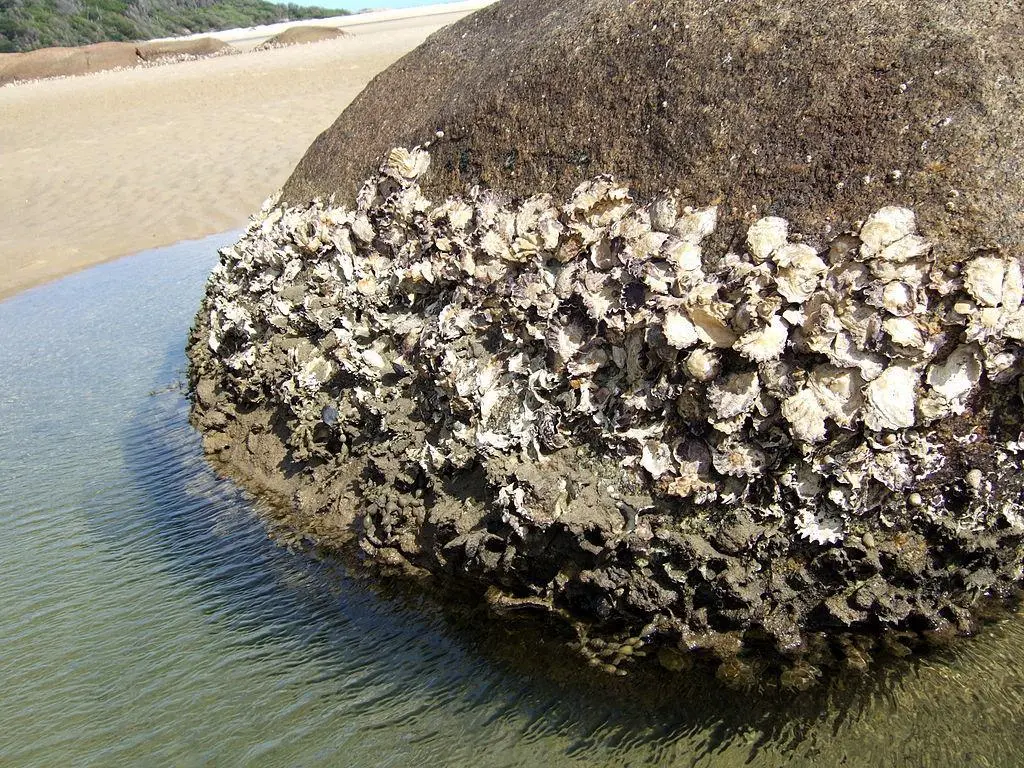
For the first time, particles of fibreglass and glass reinforced plastic (GRP) have been discovered in oysters and mussels, which has sparked health concerns over the materials entering the food chain.
The study was conducted by UK universities Brighton and Portsmouth, and it suggests that the GRP widely used in boat manufacturing is breaking down and contaminating coastal waters, causing unexpected harm to marine life.
“The GRP particles have been detected in the soft tissues of oysters and mussels collected near an active boatyard in Chichester Harbour, a popular sailing destination in southern England,” Portsmouth University media officer Emma Gaisford said. “Using micro Raman spectroscopy, researchers found up to 11,220 fibreglass particles per kilogram in oysters and 2,740 particles per kilogram in mussels.”
“This study is the first of its kind to document such extensive contamination in natural bivalve populations,” said Dr Corina Ciocan, principal lecturer in Marine Biology at the University of Brighton. “It’s a stark reminder of the hidden dangers in our environment.”
Tiny glass particles entering the water from abandoned or improperly discarded materials reach their peak during boat maintenance seasons, like winter, the study found.
“Bivalves, being stationary filter feeders, are highly susceptible to accumulating these particles, which can severely impact their health,” the researchers said. “The ingestion of GRP can interfere with their digestive systems, leading to physiological stress and even death. This not only affects marine life but could also have significant implications for human health, given that these bivalves often end up on our plates.”
”It’s a global issue, particularly for island nations with limited landfill space.” Said the University of Portsmouth’s Fay Couceiro. “Efforts are being made to find viable disposal solutions, but more needs to be done to prevent at-sea dumping and onshore burning. We’re just starting to understand the extent of fibreglass contamination. Our study is the first to show this level of contamination in natural bivalve populations.”
While the consequences of such contamination are not yet fully understood, the potential for widespread ecological impact is significant and the research highlights the urgent need for better regulation and management of GRP disposal. Dr Ciocan said, advocating better access to slipways and commercial boat maintenance facilities.
Related Articles
 FEATURES & VIDEOS
 ENVIRONMENT
 OTHER NEWS