![MaritimeJournal[Seawork]](https://www.maritimejournal.com/wp-content/uploads/2026/09/MaritimeJournalSeawork.svg)




IMO pleads for help to prevent oil catastrophe
The International Maritime Organisation is urging its 175 member states to step in and help UN-led efforts to prevent a potential catastrophe off the Yemen coast, where a decaying floating storage (FSO) unit could be about to explode.
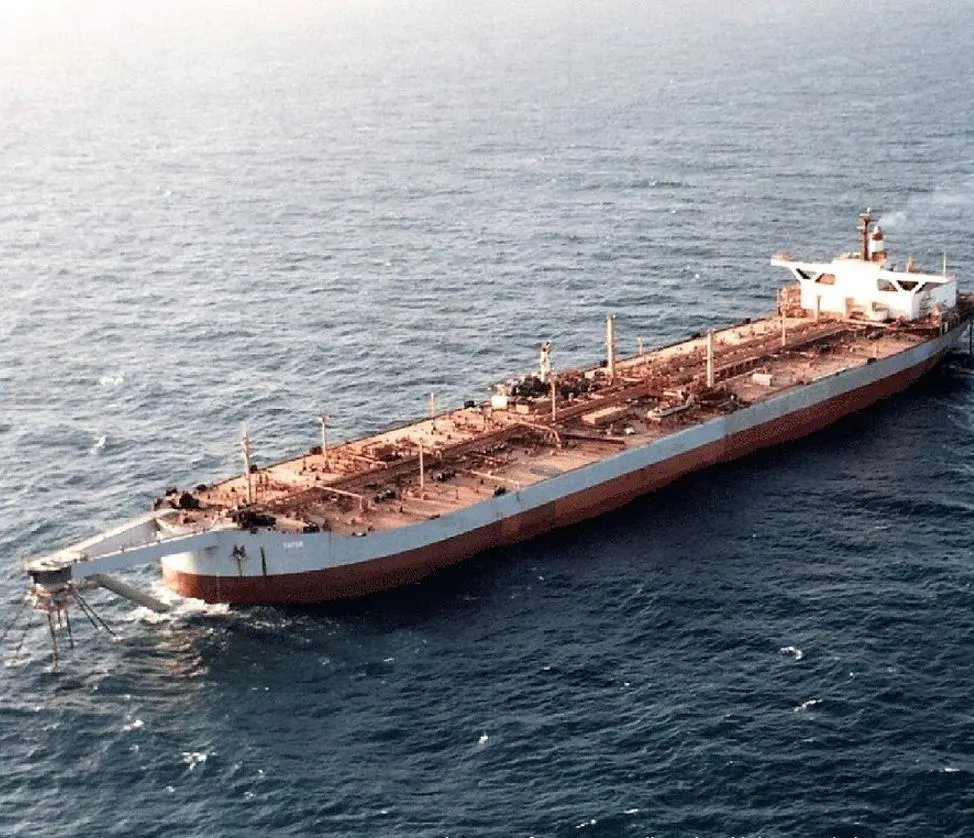
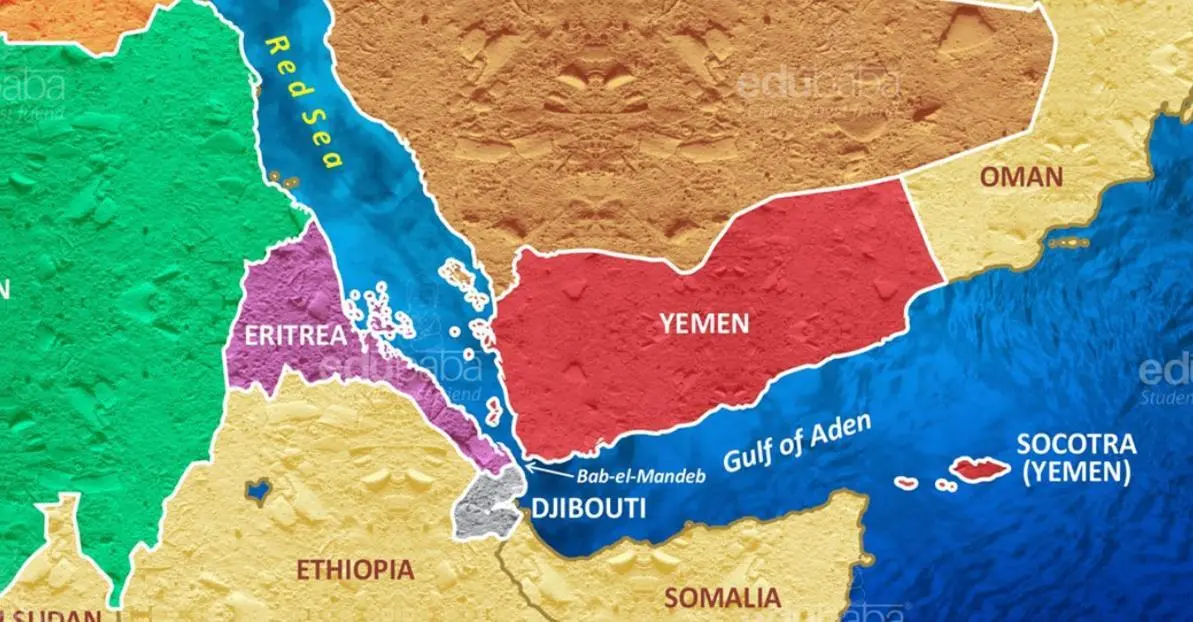
The ironically namedFSO Safer is holding around 150,000 tonnes of crude oil – about 1 million barrels – and has been moored 4.8 nautical miles off the Red Sea coast of Yemen since 1989, where she has been receiving, storing and exporting crude oil from the Marib oil fields in Yemen.
Fighting and hostilities in Yemen meant that all operations ceased in 2015, and since then no maintenance or inspection services have been carried out. The IMO fears that structural failure of the unit due to the lack of maintenance could result in a leak from storage tanks in the event of a fracture forming on the hull or as a large release from an explosion from the build-up of flammable gases.
“All assessments of its structural integrity suggest it has now deteriorated to the extent that it is beyond repair, and at imminent risk of breaking up or exploding,” says the IMO. “The danger is of a significant oil spill that would surpass Yemen’s capacity and resources to effectively respond.”
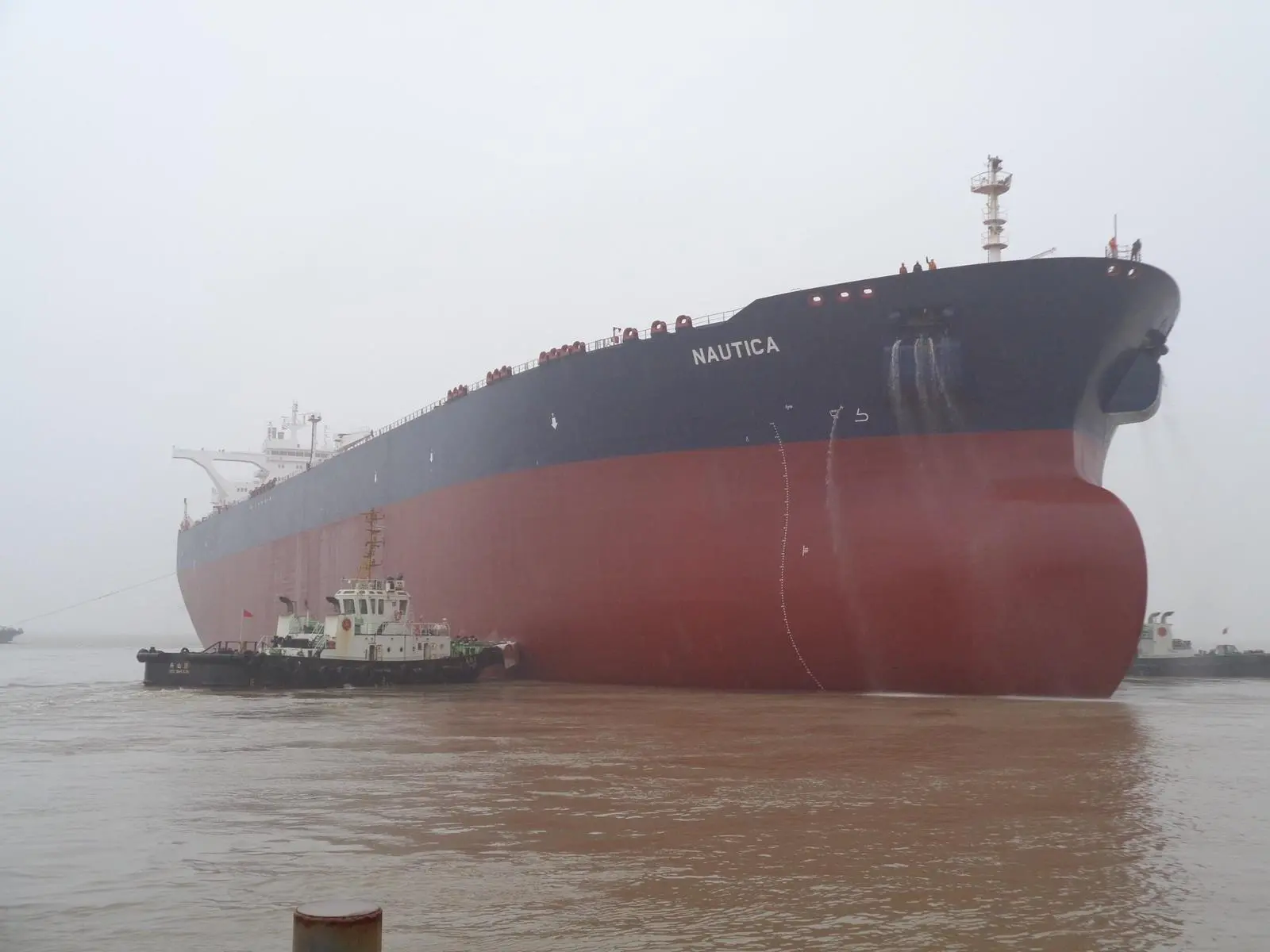
The UN Development Programme (UNDP) in March agreed to buy a very large Chinese crude carrier, Nautica, to take on the oil from the FSO Safer by emergency ship-to-ship transfer, an extremely complicated and risky operation. Nautica left China on April 6 and is due to arrive in the Red Sea early next month.
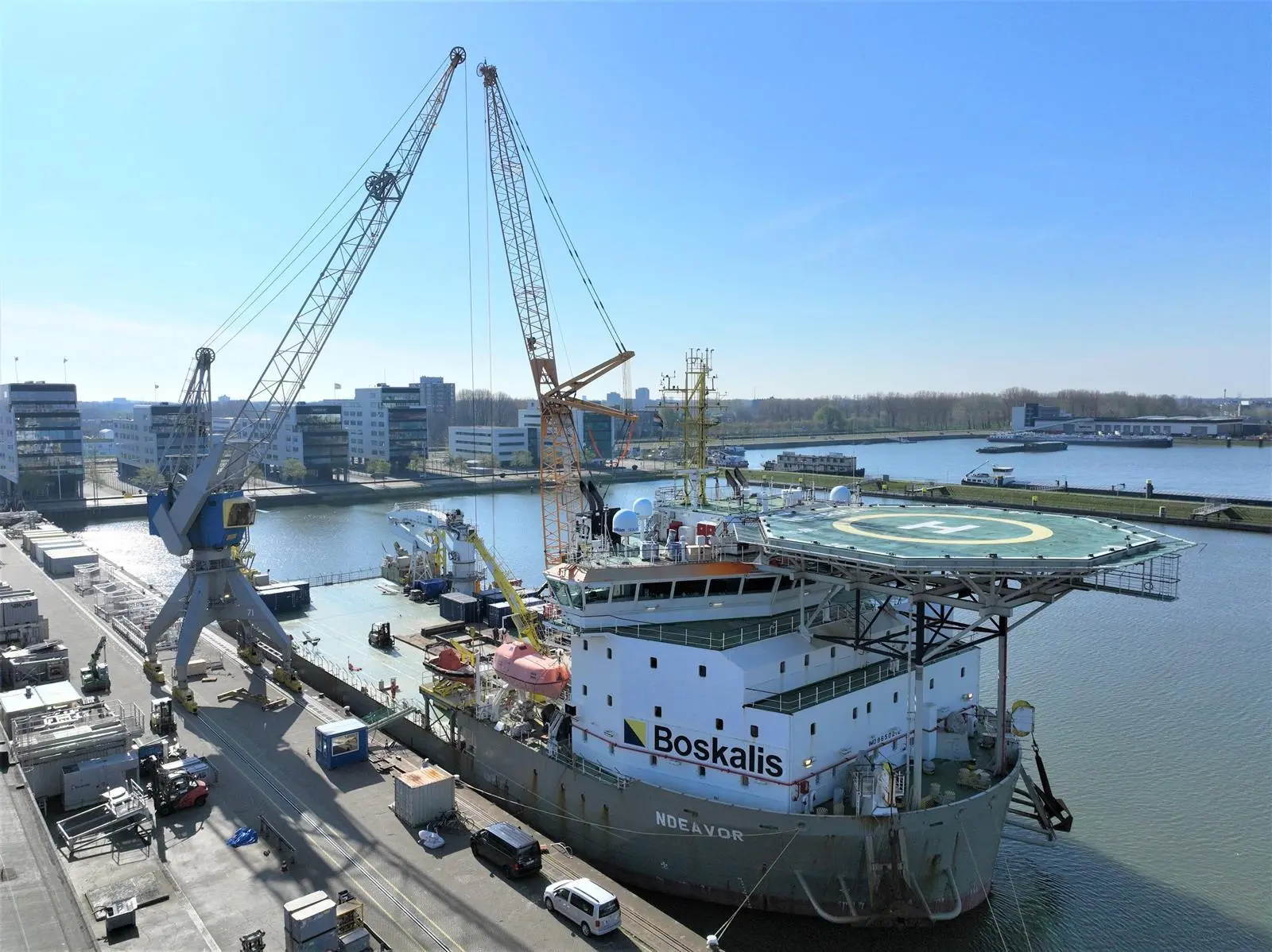
Last week, the UNDP contracted Boskalis subsidiary Smit Salvage to transfer the oil to the Nautica and prepare the FSO Safer to be towed to a scrap yard.
The multi-purpose support vessel Ndeavor, which will sail with its crew and experts, is loaded with generators, hydraulic pumps and other specialised equipment to carry out the operation on the Safer, which no longer has functioning systems.
“We look forward to be working with Boskalis and other leading experts to prevent a humanitarian, environmental and economic disaster,” said Achim Steiner, UNDP Administrator. “We also appeal to leaders from governments and corporations to step forward and help us raise the remaining $29 million required to complete this complex rescue operation.”
Threat to humanity
“A major oil spill could impact many Yemeni coastal communities, who already rely on humanitarian aid to meet their basic needs,” says the IMO. “It would have a significant impact on the livelihoods and the health of the people relying on resources from the sea. Fisheries along the Red Sea Coast of Yemen would likely be severely impacted, leading to hardship for fishing communities and substantial economic losses. An oil spill could also severely disrupt operations at the Hudaydah port, which is the point of entry for most imported goods.”
“Contingency planning for the transfer operation is, therefore, intensifying,” says the IMO. “One critical gap identified in Yemen’s preparedness to respond to an oil spill is the lack of specialised equipment within the country.
“Because of lengthy lead times for the manufacture and acquisition of oil spill response equipment, IMO is seeking contributions of used or near end-of-life spill response equipment that can be transported to the region within weeks.”
FSO Safer, which is owned by the Yemeni national oil company SEPOC (Safer Exploration & Production Operation Company) was originally built in 1976 in Japan as an ultra-large crude carrier. She was converted to an FSO in 1986, since when she has been moored at Ras Isa.
A full list of the equipment urgently required, such as pumps, booms and skimmers, has been published and can be viewed here, together with contact details.