![MaritimeJournal[Seawork]](https://www.maritimejournal.com/wp-content/uploads/2026/09/MaritimeJournalSeawork.svg)



Autonomous ship errors: who’s to blame?
Autonomous shipping and AI might create difficulties in establishing liability under the Hague Rules for maritime casualties, warns the chair of the Association of Average Adjusters.
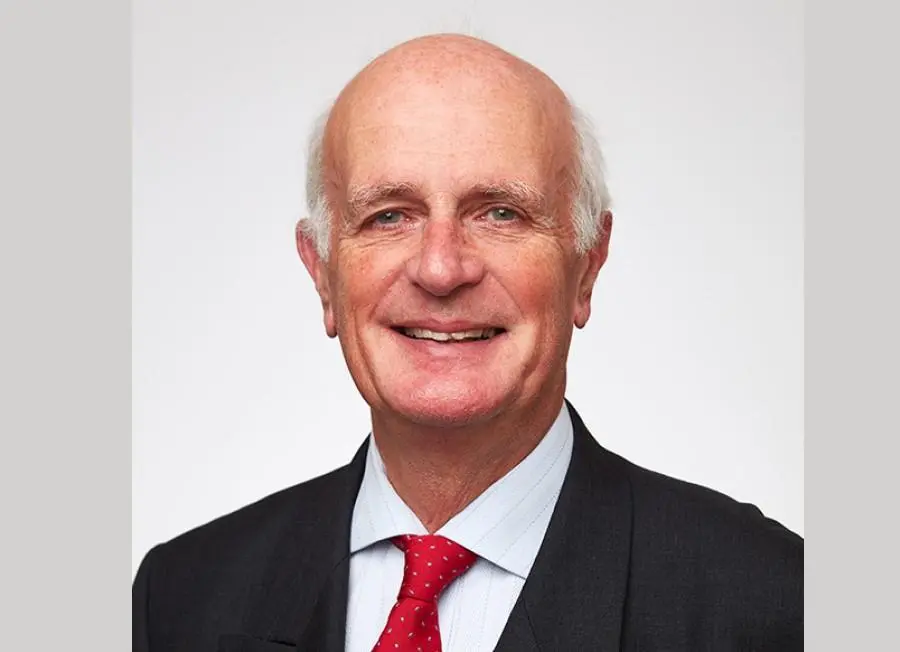
In his annual address to the association, Sir Nigel Teare chose the topic of ’Seaworthiness, Negligent Navigation and Safer Ships’, raising the issue of where responsibility lies in the operation of maritime autonomous surface ships.
Whilst not yet common, the IMO is exploring how regulation such as Solas and the Collision Regulations applies to autonomous ships, with a mandatory code slated to be in place by 2028.
Using the example of a defective passage plan rendering a vessel unseaworthy, Sir Nigel pointed out that automation was no exemption to requiring a passage plan but the question might arise as to who is responsible when that plan has been created by a computer.
‘Not under my control’
He noted that retired judge Sir Richard Aikens had suggested that, in the event a passage plan is defective, an owner might argue he was not responsible as the defect happened when the ship was not under his control.
“Where the master on board or operator ashore acts negligently when commanding the vessel that would amount to negligent navigation,” said Sir Nigel.
“But what if the error is committed by a computer? If the error is the result of error by the artificial intelligence of the computer, then that might well be regarded as negligent navigation by the computer just as if it had been an error by the officer of the watch,” he added.
Sir Nigel believes that in future software engineers may be called upon to give expert evidence as to whether such an error could reasonably be detected by the owner or whether the AI alone was responsible.