![MaritimeJournal[Seawork]](https://www.maritimejournal.com/wp-content/uploads/2026/09/MaritimeJournalSeawork.svg)





IMO targets cannot be hit, say 46% of ship owners
Almost half of the ship owners surveyed by Hamburg shipping trade fair organiser SMM did not think IMO emissions targets could be hit.
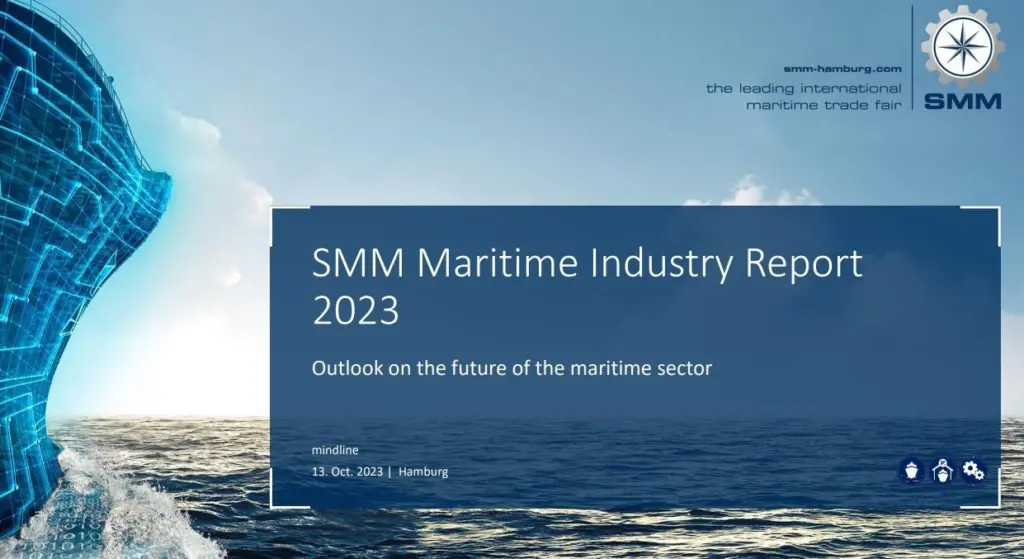
The SMM Maritime Industry Report 2023: The Maritime Industry Business Calculator asked ship owners across the industry – including cargo and cruise ships, workboats, navy ships and yachts – a range of questions about the state of the industry.
The 46% of respondents who believed it was unlikely that IMO targets would be met said targets had been set too high and were unrealistic, and there were not enough alternative technologies or alternative fuels available.
Other reasons included a lack of willingness and commitment from some countries; an unrealistic time frame; existing fleets being too big, or growing; and lastly, surprisingly, the costs were too high.
Thirty-one per cent of respondents, however, said they thought it was ‘quite likely’ that emission reduction targets could be met, with six per cent believing it was ‘very likely’.
If another survey were carried out today the results could well be different, given that the data on this one were collected before the IMO increased its emission reduction goals in July, to at least 20% by 2030, 70% by 2040 and 100% by 2050.
Other answers
Answering a question on future investments, the survey said methanol appeared to be the first choice of fuel, followed by hybrid drive technologies. Hydrogen was in third place, with efuels in fourth.
The survey grouped its respondents into four – ship owners and operators; shipyards; suppliers; and interior design firms.
It found that with business outlook, suppliers and shipyards had gained optimism, but ship owners and operators had lost it.
Shipyards were confident that orders for workboats, especially for offshore ships and tugs, would increase until the end of 2024. Overhauls and repair work was also expected to grow.
“Customer enquiries are mostly expected in the conversion of fuel systems and drive technology,” the survey said.
Suppliers, the survey said, had been strongly affected by disrupted supply chains, with consequent delivery delays and more expensive materials.
“The majority of suppliers are strongly affected by rising energy costs, thus having to raise prices of their own products,” the report said.