![MaritimeJournal[Seawork]](https://www.maritimejournal.com/wp-content/uploads/2026/09/MaritimeJournalSeawork.svg)



Maritime Law Focus: Protecting your IP
Protecting Intellectual Property (IP) is key for businesses in commercial marine, particularly in light of increased partnership working and the rapid development of technology.
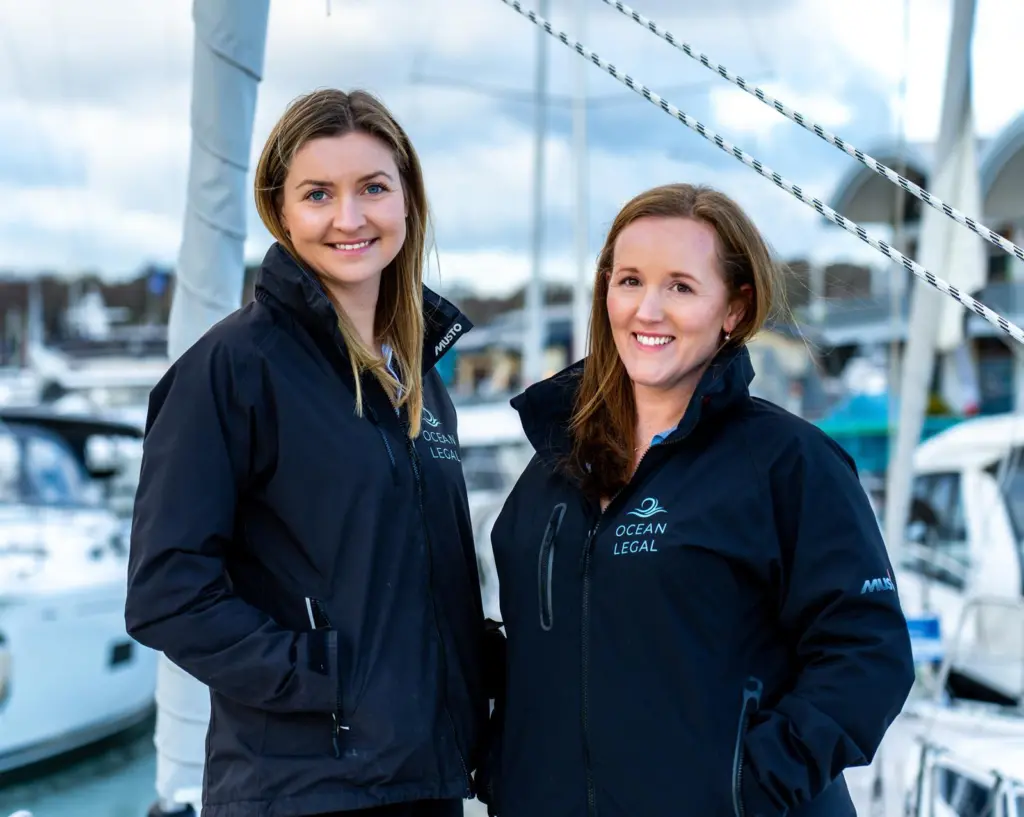
We have partnered UK-based IP practice Ionic Legal to help minimise the risk of costly disputes and maximise the value of IP when it comes to your brand, inventions, designs and copyrighted works. This article, part of our Maritime Law Focus series on legal and compliance risks in the marine industry, highlights some of the most important IP issues that marine businesses should be aware of.
Branding and trademark protection
Building a strong brand portfolio is crucial to commercial success in the commercial marine industry. A strong brand means a visually compelling presence at exhibitions and on social media and leads to lead generation.
Before committing to a brand, it is a good idea to conduct a trademark availability search to identify any similar marks being used by other businesses to help you understand the level of legal and commercial risk associated with using your own proposed branding.
Once you are happy with your proposed brand, it is important to register it as a trademark to prevent third parties using it or a similar brand in relation to the goods and/or services you provide.
If you want to register a trademark in multiple countries, you can take advantage of the centralised Madrid System, which allows you to apply for trademarks in numerous jurisdictions simultaneously in a cost-effective way.
Trademark disputes
If you have a strong reputation, you may see third parties seeking to take advantage of this reputation by imitating your trademark, which can be particularly damaging if the third party’s goods and services are of an inferior quality.
Other companies could also seek to take action against you if they believe your mark is too similar to theirs. This can happen even if they did not oppose your trademark at the application stage and even if you were not aware of their mark.
Most trademark disputes reach a resolution before proceeding to trial, many before court action is filed.
It’s vital to act quickly to prevent escalation, particularly if you are taking the infringement action, as it can be challenging to stop it if it’s been flouted for a while.
Copyright, inventions and patents
Just as with literary or artistic works, naval architect engineering or other design drawings can be protected by gaining copyright, which is more important in an era when digital technologies are making it easier to make copies.
We have dealt with a considerable number of copyright disputes involving vessel design, technical drawings and marketing and promotional materials.
If you are a designer or naval architect, you can rely on copyright protection to prevent others from taking advantage of your work for their own benefit.
AI-powered navigation, electric propulsion technologies, alternative fuels, digitalisation and advanced monitoring systems: the marine sector is undergoing significant transformation driven by innovation and new technologies.
If you have invented a new product or technology you should consider a patent, which confers a monopoly right to reproduce the invention for 20 years, giving you a competitive advantage, along with opportunities to generate income by licensing your patent to others.
For an invention to be patentable in the UK it must be new, have an inventive step, be capable of industrial application and not be specifically excluded from protection as a patent.
For it to be considered new, it cannot have been available to the public before filing. As such, you should ensure anyone dealing with your invention prior to filing for the patent does so under a confidentiality agreement.
Commercial agreements
Many of the newest technologies in marine and shipping come from partnership and collaborative working between a range of different businesses.
For example, tech companies specialising in AI and software partner with traditional shipbuilding companies and experienced mariners to develop autonomous navigation systems.
Ship owners, technology providers and research institutions also collaborate to develop and test new environmental technologies. Large marine companies are also increasingly investing in startups that are developing technologies.
If you are working with another business as part of a joint venture, it is important to consider the ownership of any IP rights, such as copyright or potential patents, that are created as the relationship develops. This should be addressed in any commercial agreement between the parties.

Ocean Legal is a specialist law firm that provides tailored legal solutions to the commercial marine sector for a price agreed upfront. | www.ocean-legal.com | contact@ocean-legal.com