![MaritimeJournal[Seawork]](https://www.maritimejournal.com/wp-content/uploads/2026/09/MaritimeJournalSeawork.svg)






UK government reveals ‘new vision’ for ports
A ‘new vision’ for UK ports has been unveiled in a bid to ’propel prosperity’ in the country’s coastal communities, a government consultation has claimed.
The consultation aims to revise current national policy on ports (the NPSP), which dates back to January 2012.
Key to the proposals are planning reforms, to streamline applications and make them easier and quicker to put in, with guidelines on how to design them to meet the latest requirements to avoid delays.
“For instance, updated proposals will more clearly outline how ports can meet obligations on noise and emissions, increasing the likelihood of achieving successful planning approvals and saving time and money during the planning process,” the announcement says. ”Greater clarity, fewer delays and reduced costs will give ports the confidence they need to expand, creating more local, skilled jobs and driving money back into communities.”
Other key proposals include adding substantial port capacity, with port development decisions to be market driven and not centrally planned, allowing the private sector to take commercial risks on investments while ensuring flexibility, competition and geographic diversity of facilities.
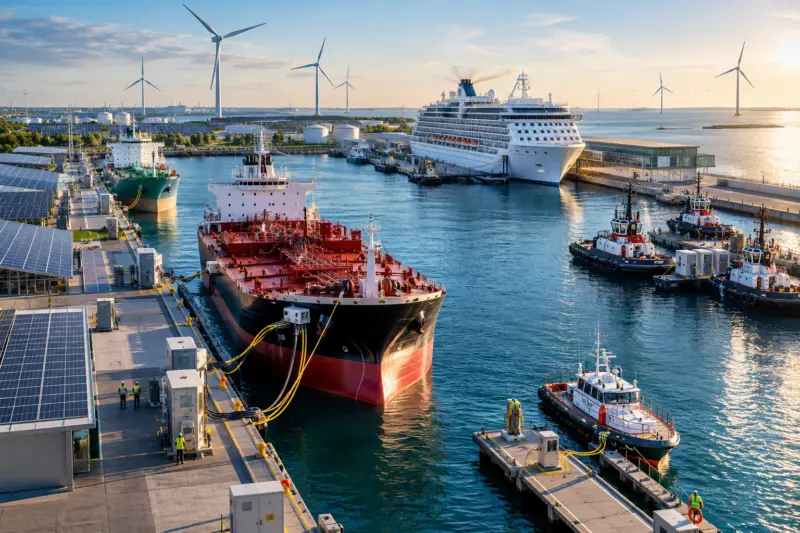
The consultation also proposes that ports evolve to support the offshore wind and future fuels – such as hydrogen and ammonia – industries.
“The Government has set ambitious targets for the expansion of offshore wind generation,” the consultation says. “Port facilities to support construction, operation and maintenance and construction of offshore wind turbines and associated equipment will be essential to realise these ambitions. It is important that UK ports should be able to invest with confidence in such facilities, in time to meet the needs of the wind farm providers. They should not be disadvantaged as compared with overseas ports, by any avoidable delay or impediment in the planning system.”
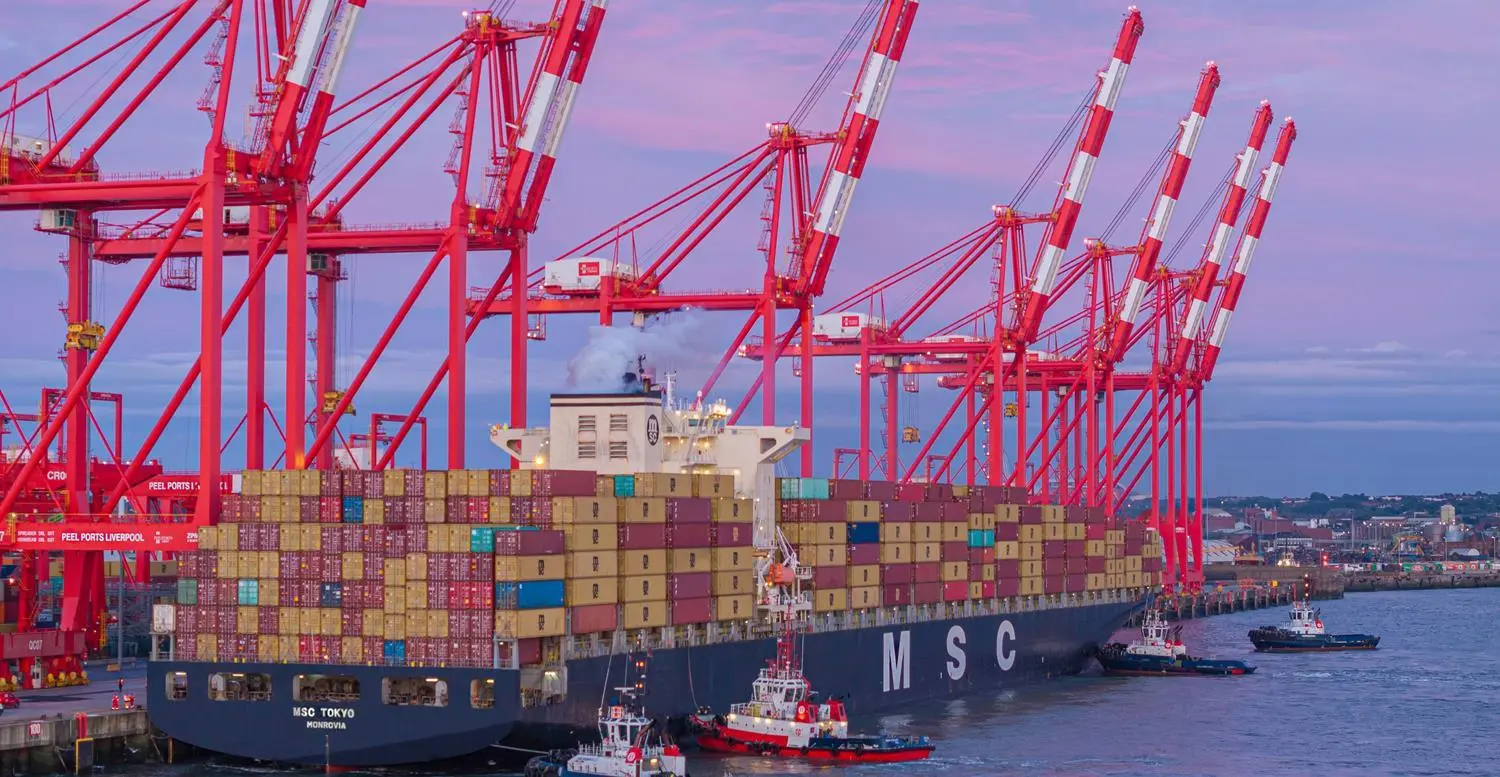
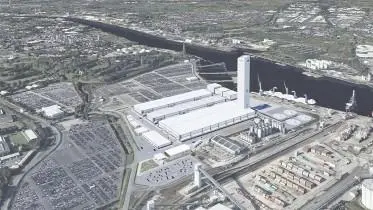
Two ports are singled out for mention: the Port of Tyne, which is about to receive £1 billion (€1.2 billion) to develop ‘state-of-the-art’ infrastructure, and has launched its own public consultation with LS Eco Advanced Cables on plans for a £923m high-voltage undersea cable manufacturing facility to deliver offshore wind power to shore; and the Port of Liverpool, which will be given £35 million (€41.5 million) to develop a deep-water terminal.
“Plans will secure the long-term future of the maritime industry, inviting private investment into coastal communities and supporting development of green technologies, delivering on the UK’s clean energy ambitions,” it says.
Calling ports ‘the lifeblood of the UK economy’, Maritime minister Mike Kane said they were vital for keeping the country moving and trading. Tourism is also cited as an important reason for developing ports infrastructure. Surprisingly, fishing is mentioned only once.
“The ports industry is optimistic about its long term future, with significant growth expected in trade volumes and other sectors such as offshore wind,” said Richard Ballantyne, chief executive at the British Ports Association. “A refreshed ports policy statement is welcome recognition from Government of the value of port development and expansion to the UK’s future prosperity. We hope it will speed up planning processes, delivering on shared industry and government economic growth ambitions.”