![MaritimeJournal[Seawork]](https://www.maritimejournal.com/wp-content/uploads/2026/09/MaritimeJournalSeawork.svg)





UK pulls plug on Chinese offshore wind turbine factory
The UK government has pulled the plug on a giant offshore turbine manufacturing facility in Scotland, citing national security concerns over the Chinese company behind the plans.
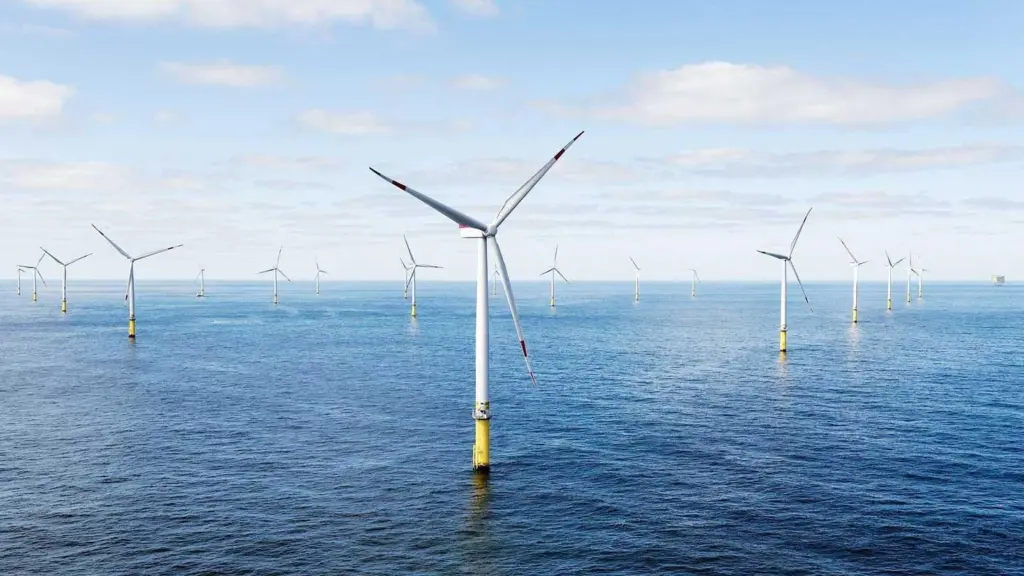
The decision to reject Ming Yang’s plans to spend up to €1.5 billion on the manufacturing site has been reached several months after reviewing proposals for the site, which would potentially have been sited at Ardersier port in the Highlands and was intended to serve offshore wind projects across the UK and Europe while generating up to 1,500 jobs.
“After careful consideration, the Government’s view is that we cannot support the use of MingYang turbines in UK offshore wind projects,” said Michael Shanks, in the Department for Energy Security and Net Zero, in a ministerial statement.
“We will always act to protect our national security, and we are committed to strengthening and prioritising resilient and sustainable offshore wind supply chains.”
The decision is likely to stop Ming Yang’s plans for a Scottish factory and has sparked discussion about how to balance supply-chain resilience, market competition and offshore wind expenses. Ming Yang said it was disappointed with the outcome and maintained that increased competition could lower project costs, adding that it plans to continue discussions with the UK government over security concerns.
The move has also sharpened attention on other turbine manufacturing possibilities for the UK market. Both the UK and Scottish governments have been in talks with established European manufacturers, including Vestas, about potential investment in Scotland, as efforts continue to grow domestic offshore wind supply-chain capability.
Offshore overview
European countries dominate the UK offshore wind sector, with Denmark playing a leading role through Ørsted, the single most influential developer and operator of major projects. Sweden’s Vattenfall and Germany’s RWE are also deeply involved, investing heavily in development pipelines and operational assets across British waters.
The UK itself remains central, with SSE acting as a key domestic developer and co-leading large-scale projects such as Dogger Bank.
Norway contributes through Equinor, which brings particular expertise in floating offshore wind technology, an area expected to grow significantly. France’s TotalEnergies has expanded its footprint via joint ventures and seabed lease acquisitions, and Spain’s Iberdrola, through its UK subsidiary ScottishPower, remains a major long-term investor and developer.
Together, these countries form a largely European-led ecosystem built on shared regulation, investment, and supply chains, with close cooperation across the North Sea region underpinning the UK’s offshore wind expansion.