![MaritimeJournal[Seawork]](https://www.maritimejournal.com/wp-content/uploads/2026/09/MaritimeJournalSeawork.svg)

Value of what’s saved overrides cost of saving it – ISU
Salvors and those for whom salvors’ services are vital gathered at the annual International Salvage Union Associate Members’ Day in London.
“Different parties must do what they do best,” said ISU President John Witte, reminding everyone that the value of what was saved should be the focus, rather than the cost of salvage.
Mr Witte identified the different parties as owners operating their ships, masters making decisions, insurers covering the risk and handling the claims and salvors providing services when there is an emergency.
He re-stated ISU members’ commitment to the importance of “investing in people and equipment and training to be able to provide essential emergency response services when there is an emergency”.
Shipowners have their own current issues of course but Guy Platten, secretary general of the International Chamber of Shipping, reiterated its support for the salvage industry.
The UK’s SOSREP system (Secretary of State’s Representative for Maritime Salvage and Intervention) has received a positive response throughout the industry globally and this year celebrates its 25th anniversary. SOSREP Stephan Hennig and his deputy, Lisa McAuliffe, spoke about their roles and the success of the UK’s way of handling incidents without political interference.
The contractual and legal aspects of salvage are important, in particular efforts to enhance the attractiveness of Lloyd’s Open Form. David Lawrence from Lloyd’s updated delegates on progress here.
The legal theme continued with Martin Hall and Siiri Duddington from Hill Dickinson talking the audience through sanctions legislation in the context of salvage operations.
Meanwhile Richard Janssen from Smit Salvage and HFW partner Andrew Chamberlain described the process and changes in the revised BIMCO Wreckstage contract that has now been finalised and is to be launched shortly.
Salvage cases
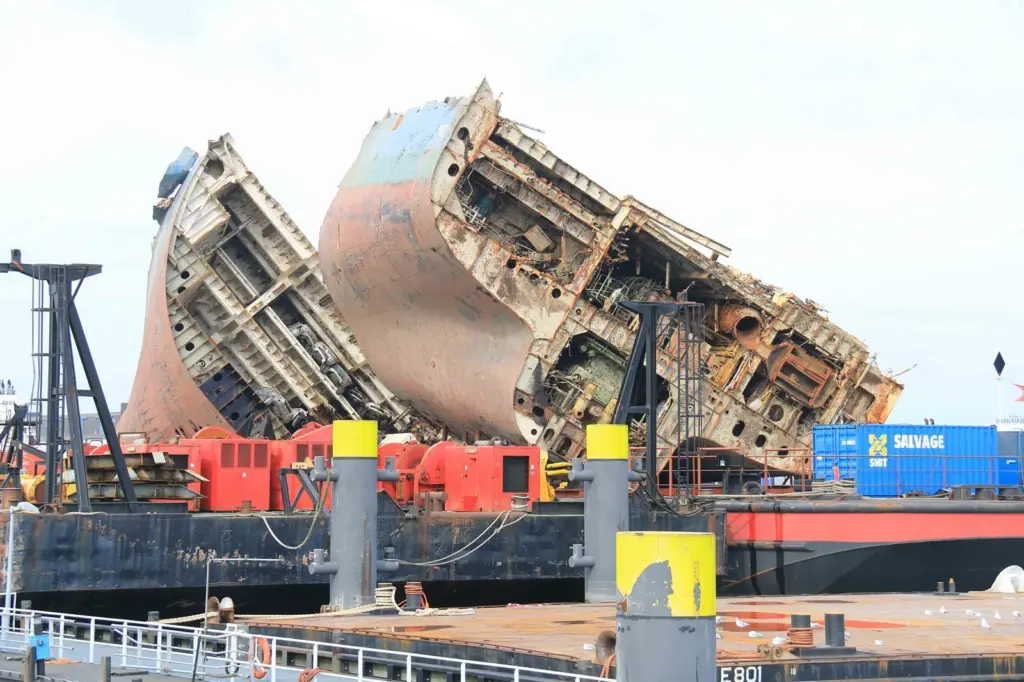
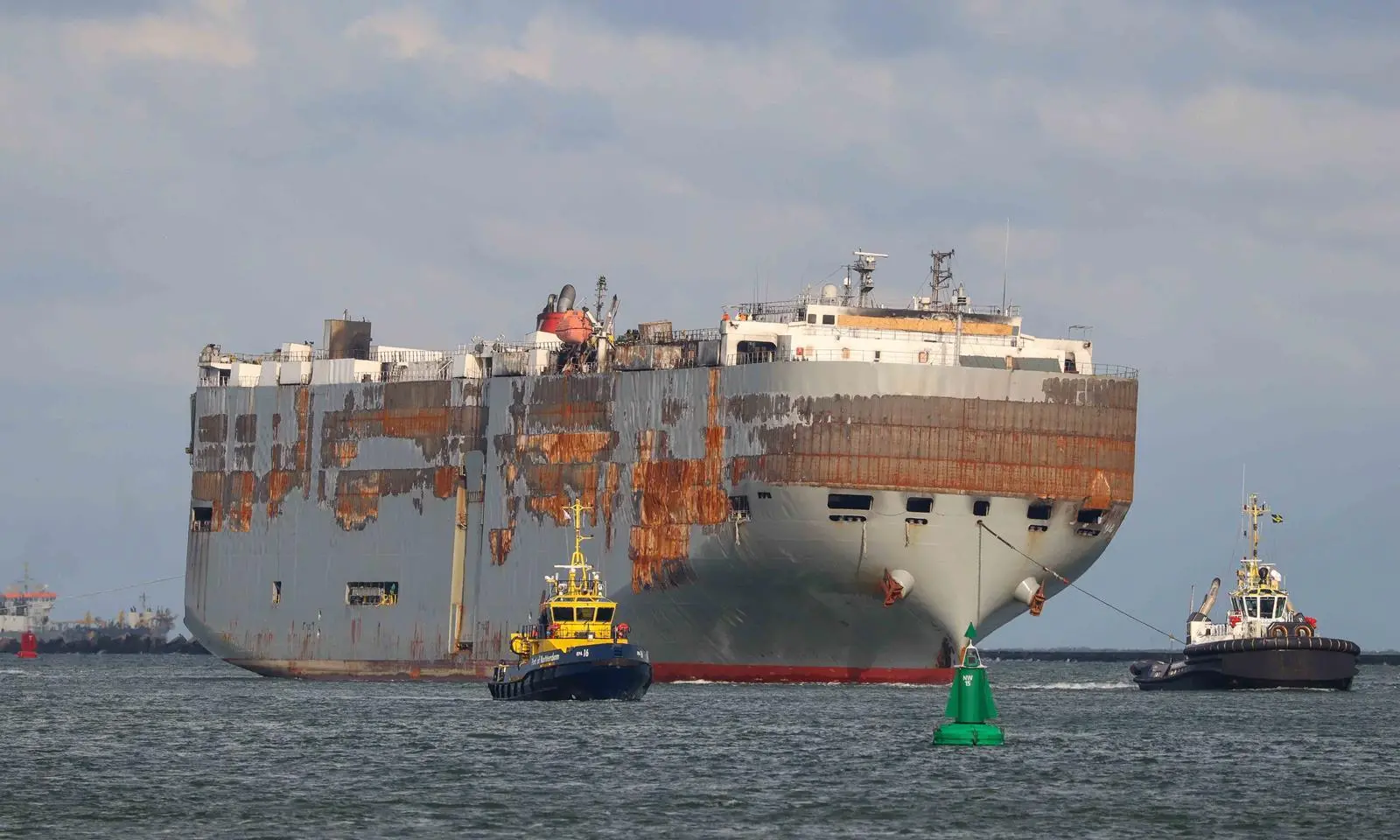
Salvage operations themselves were on the agenda and Multraship’s Bianca Pielaat and Smit’s Paul van ‘t Hof described the operation to salve the vehicle carrier Fremantle Highway following a fire in the North Sea, both companies responding jointly to the incident.
Salvage in the context of the US legislative framework was touched on by Gordon Lorenson, who described the Donjon Smit case of the Grande Costa d’Avorio at Newark. An area of concern described as “a risk that is still not fully understood and prepared for” is the “grave danger” from battery fires, and the subject was covered by Adrian Scales from consultants Brookes Bell.
The differences between salvage and shoreline clean-up operations was the subject of an “engaging presentation” by Rodrigo Bella from ISU Philippines’ member Harbor Star.
Returning to legal aspects, Tatham and Co solicitor Paul Howarth explained the requirements for collecting financial security and Teagan Erichsen from Audere International spoke about corporate intelligence and ways of identifying assets and tracing beneficial owners when considering action.
The day ended with a panel discussion about issues in wreck removal tendering involving John Witte representing salvors, Andreas Øgrey representing P&I Clubs and Alex Leonard representing consultants.
Mr Witte called for a “level playing field” and there was general agreement on the importance of group contractor availability to bid for major contracts.
The cost of mounting bids and provision of survey data was considered, along with the responsibility for explaining local regulations and tax requirements.