![MaritimeJournal[Seawork]](https://www.maritimejournal.com/wp-content/uploads/2026/09/MaritimeJournalSeawork.svg)






Interferry forum demonstrates industrys fighting spirit
Delegates at trade association Interferry’ s 34th annual conference in Istanbul have been warned that the ferry sector is under particular threat from financial and environmental pressures on the shipping industry.
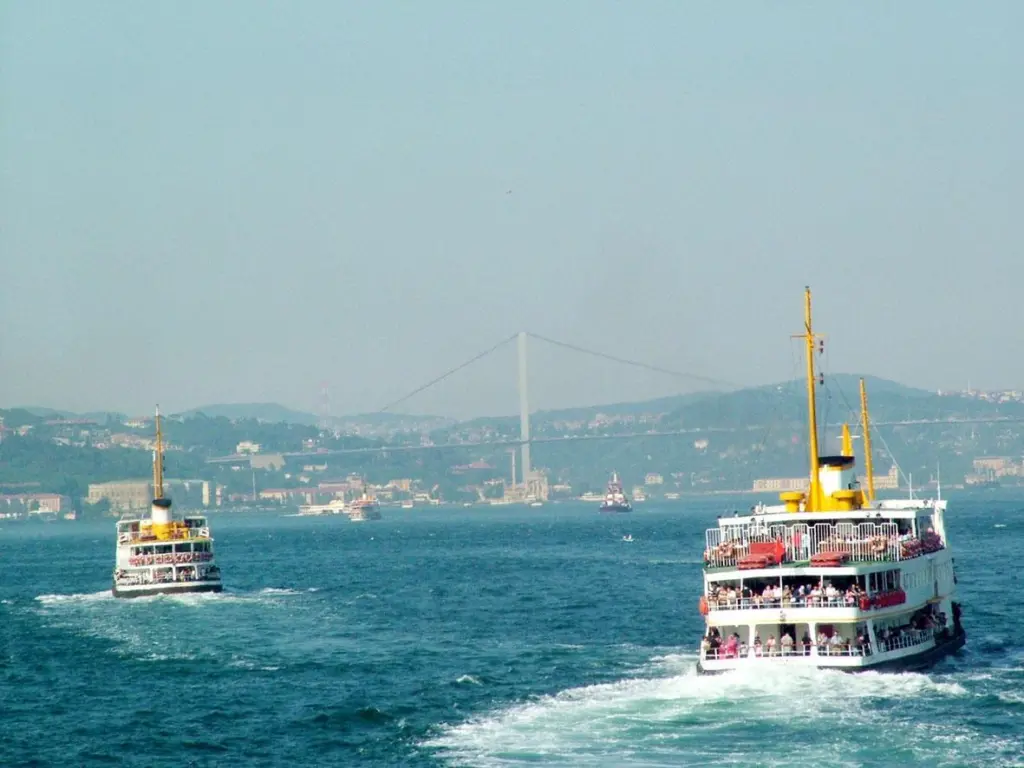
More than 230 senior executives heard that raising finance and lowering air emissions would pose unique challenges for ferry operators in the wake of global economic meltdown and global warming. Critical legal issues, notably the risk of corporate manslaughter charges, also came under the spotlight, but the potential for boom rather than gloom dominated other sessions focusing on new market opportunities, money making IT applications and the Interferry/IMO joint initiative to boost ferry safety in developing nations.
The knock-on effects of the credit crisis will make it especially tough for ferry companies to fund new tonnage because they rarely rank as core clients, said Richard Jansen, global head of cruise and ferry at US based ship finance leader DVB Bank.
He said that third of the world ferry fleet was at least 30 years old, so safety and regulatory issues underlined the need for investment. The problem was that ship finance volumes had dropped significantly, matched by a rise in the cost of financing. Shipping was now rated at BB or less in credit ratings and capital markets had been affected because investors did not understand the industry.
He suggested that export credit finance was ‘absolutely number one’ among alternative solutions, followed by bond markets and sale/leaseback deals.
Johan Roos, director of sustainability at Sweden’s Stena Rederi, argued that costs would rocket and services could fold unless the ferry industry was treated as a special case over proposals to reduce CO2 and sulphur emissions.
Mr Roos, a member of Interferry’s consultative delegation at the IMO, stressed that many of the planned regulations were based on calculations for trans-ocean shipping and placed an unfair burden on ferries.
He claimed that the IMO’s call to reduce fuel sulphur content from 0.5% to 0.1% would increase costs for European ferry operators by £5bn per year, which would have to be passed on to customers. ‘We must go to the politicians and ask them how they think this will encourage a modal shift that benefits the environment’.
New corporate homicide legislation under English law, the main maritime jurisdiction, may result in huge fines for casualties at sea, according to shipping lawyer Oliver Weiss, a partner at international law firm Ince & Co.
Upbeat sessions on emerging markets and proactive IT systems demonstrated the ferry industry’s will to adapt, invest and innovate in even the most challenging of times.
Among insights into the fastgrowing urban transport sector, the mayor of Istanbul revealed that sea transport had accounted for 60% of the city’s budget, some $8bn, over the past five years, helping to make conference host company IDO the world’s largest ferry carrier with 100m passengers and 7m cars per year.
In a review of the joint IMO initiative to reduce ferry fatalities in developing nations, Interferry project leader Roberta Weisbrod announced tangible progress on the pilot programme in Bangladesh and called for funding support to carry the initiative forward.