![MaritimeJournal[Seawork]](https://www.maritimejournal.com/wp-content/uploads/2026/09/MaritimeJournalSeawork.svg)




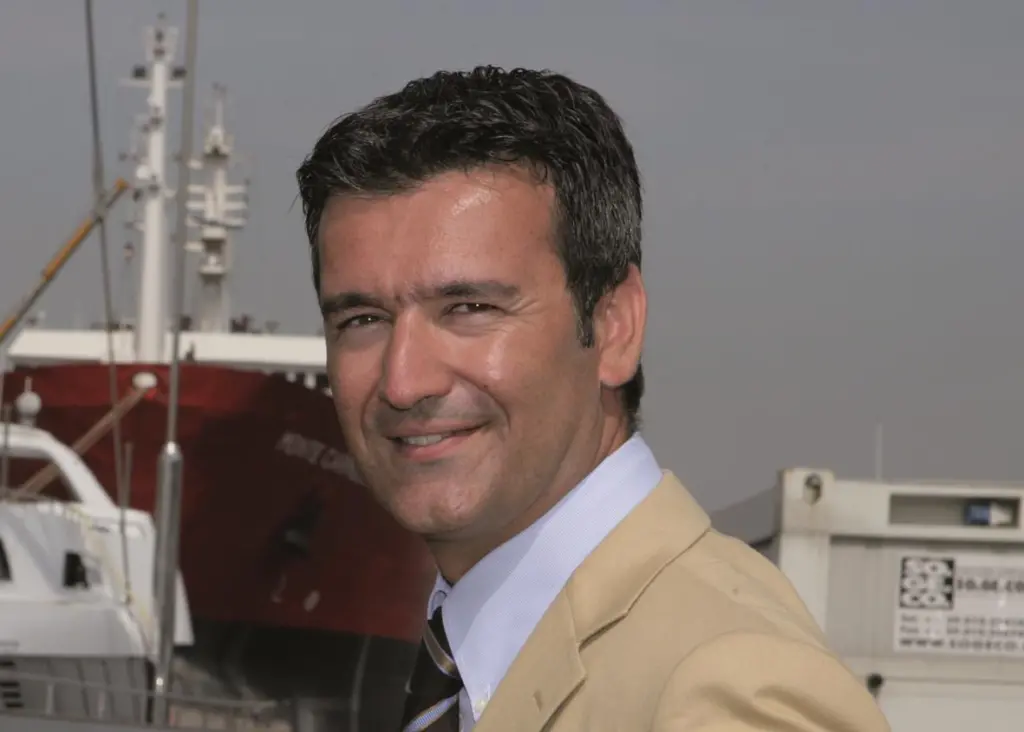
Paolo Moretti: the search for solutions
“In the early years things might have been easier, but there was no importance attached to innovation,” says Paolo Moretti, RINA’s marine general manager.
He admtis: “There’s been some difficult times, but it’s actually more exciting when the search is on for solutions.”
Interestingly, Mr Moretti says that in the arena of innovation, workboats have been leading the way. He points out: “These craft may be smaller, but very often they are much more complex than a bulk carrier that’s 30 times the tonnage. And partly because of this the workboat and support boat sector has been giving the industry a much needed degree of optimism.”
While Mr Moretti admits he hasn’t necessarily sought out change for its own sake, (his relationship with RINA and his wife being, as he says, “both long term commitments” dating from just after university), the challenges haven’t passed him by. Firstly the early 2000’s saw the organisation’s metamorphosis “from a small national monopoly to a diversified classification society that could compete on an international scale”.
And then, just a few years later came the credit crunch. He explains: “We’d had a period where RINA had been growing by double digit numbers every year, and then one day we woke up to owners struggling and going bankrupt all around us. The signal was clear, the steady, almost predictable growth of the early years was over.”
A strategy rethink led RINA to get further involved in solutions that could help owners of both large and small vessels ride the economic uncertainties, combined as it is with the new tide of environmental legislation. “Although I’ve stayed with the marine focus, I am now working in a particularly niche area, looking to provide a base for owners to understand, accept and utilise novel technology,” explains Mr Moretti.
Certainly his involvement as coordinator of the European Minoas project sounds almost like sci-fi, as it considers a partly autonomous robot fleet dedicated to vessel inspection. However, much is about responding to the needs of the day: “I get a real sense of satisfaction in coming up with solutions that help owners get a good grip on the industry and negotiate the challenges,” he adds.
Workboats, although just one part of RINA’s overall picture, he says “are well placed” to plough a way forward into the oncoming environmental legislation: “The restrictions you often find in nearshore or harbour operations are very suited to the new hybrid propulsion and LNG technologies,” he adds.
However the crunch also meant looking abroad to new growth areas: “Indonesia is particularly interesting,” as the large number of islands is drawing logistics into the limelight. “There are actually over 150 newbuilding tug and barge projects underway right now, and probably for the first time in its history RINA is developing dedicated, specific sets of rules for smaller supply type vessels carrying palm oil and other local energy sources.”
So, whatever the future, it’s pretty certain that change is part of the game for both RINA and Mr Moretti.
By Stevie Knight