![MaritimeJournal[Seawork]](https://www.maritimejournal.com/wp-content/uploads/2026/09/MaritimeJournalSeawork.svg)





Bottom line concerns could cost Green UK
If the UK government puts its concerns about the bottom line deficit first, it could end up by losing the economy many billions of pounds of vital investment in green energy projects.
Although the latest news on the Green Investment Bank is that the UK Government is going to create a proper infrastructure bank, not just a fund to draw on, the bank’s ability to borrow looks like being held back until at least 2015 because it would extend the UK’s deficit.
Ed Matthew of Transform UK, the campaign to re-power Britain, argues that this view is a short sighted one. ‘While technically this might affect the deficit figures, an infrastructure bank’s borrowing creates assets and revenue. It is a very successful, tested model for bringing in investment.’
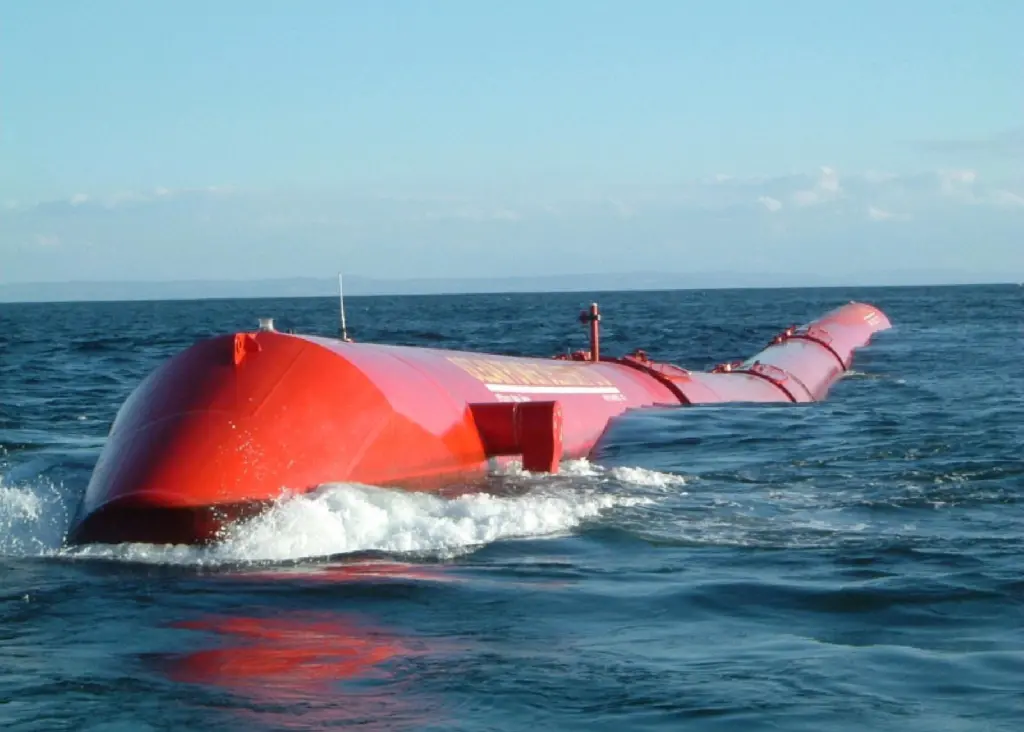
This investment could be the decisive factor behind whether some forms of offshore renewable energy, especially the embryonic wave and tidal sectors, really get off the ground and become a major part of a viable energy mix.
As the government is giving £3bn to the bank, this has the power to leverage another £15bn from the private sector, resulting in an £18bn contribution over the next five years. ‘However, points out Mr Matthew , ‘If the government allows the bank to borrow just £10 billion against this money, it would potentially leverage in another £50bn and possibly much more. This would not only help the UK grow, it would also assist in meeting our carbon budgets as well as building up key low carbon industries of the future.’
The UK has the greatest offshore energy resource of any country in Europe, with something like 50% of the total European tidal resource, 40% of its total wind resource, and 35% of its total wave resource.
There has been a recent surge in offshore wind, which requires further massive investment. However, there are big concerns that offshore wind farms still won’t be built at the rate needed. The less well known wave and tidal industries are still in their infancy and both need support to get them up to scale.
Evidence presented to the Environmental Audit Committee by energy companies, NGOs and financial institutions suggests that between £200bn and £1 trillion of private sector investment is needed over the next 10 to 20 years if the UK is to meet its climate change and renewable energy targets. Accountants Ernst and Young told the inquiry, however, that traditional sources of private sector capital are only likely deliver £50 to £80bn of investment in green infrastructure by 2025, leaving the UK with a massive investment shortfall.
Chair of the Environmental Audit Committee, Joan Walley MP said, ‘Many new clean energy projects are viable, but can’t find funding because their novelty deems them risky in the eyes of banks and investors. A fully fledged Green Investment Bank would be able to kick start green growth in the UK by offering government backed ‘green bonds’ that would attract big investors.’
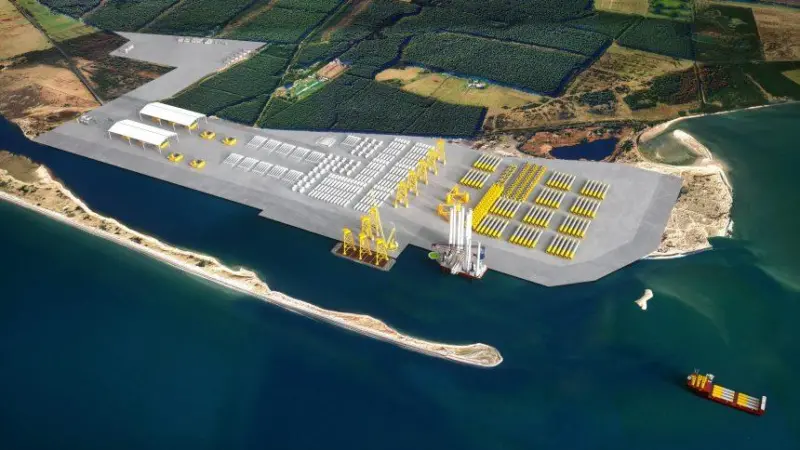
It is not just direct construction that requires investment, as with wind power, money is needed for the landside support facilities to help them get off the ground.
Joan Walley concluded, ‘The UK desperately needs a game changing injection of private sector investment if we are going to meet our climate change targets and move to a green economy.
‘Setting up a Green Investment Bank without the power to borrow would be a bit like trying to buy a house without first getting a mortgage offer. George Osborne has got the deposit, but if he doesn’t allow the Bank to raise extra capital, the sums are going to fall far short of what is needed.’
Related Articles
 ACCESSORIES & EQUIPMENT
 ACCESSORIES & EQUIPMENT
 MARINE CONSTRUCTION