![MaritimeJournal[Seawork]](https://www.maritimejournal.com/wp-content/uploads/2026/09/MaritimeJournalSeawork.svg)




Concerns over reducing SAR resources
The Seafarers’ Rights International (SRI) has raised concerns about the reduced resources of search and rescue (SAR) resources in the Mediterranean which may increase the amount of rescue missions undertaken by masters and crews.
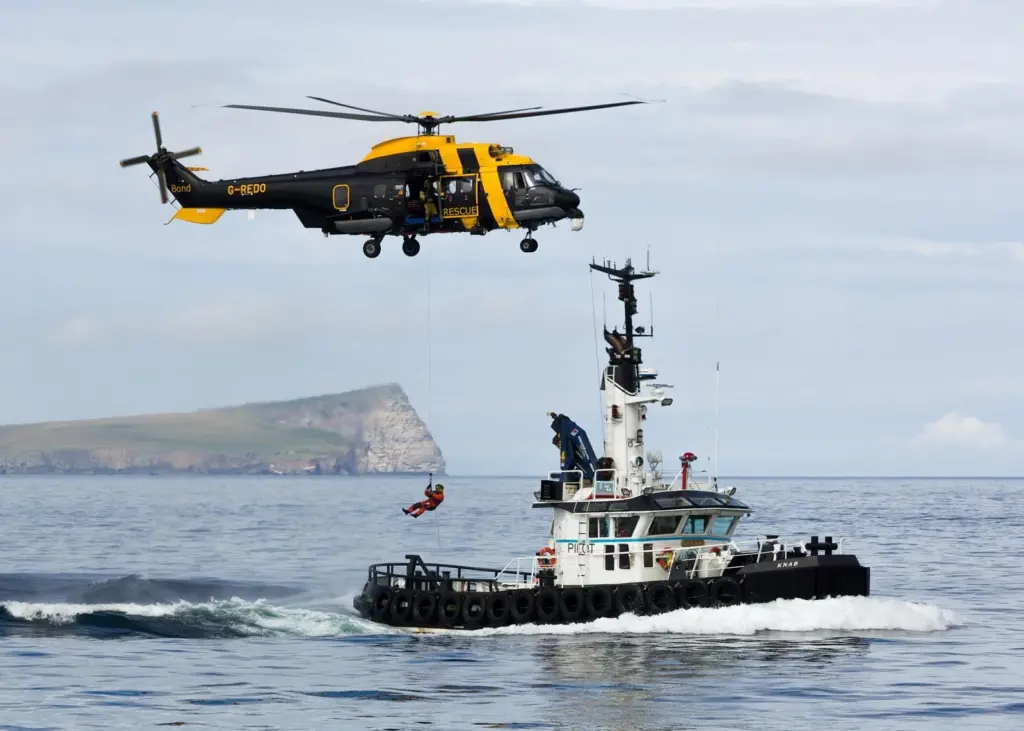
The launch of the new EU Frontex operation ‘Triton’ will apparently have a reduced budget and focus on border control in place of the Italian ‘Mare Nostrum’, which is credited with saving the lives of over 150,000 migrants in the Med.
Deirdre Fitzpatrick, executive director, SRI, said: “The SOLAS Convention in its successive forms has obligated masters to provide assistance to distressed persons, irrespective of their nationality or status or the circumstances in which they are found.”
She pointed out that it is also a serious obligation on masters and under many national laws, the master who fails to render assistance to any person in danger of being lost at sea could face prosecution, and on conviction, a jail sentence.
In his opening address to the Maritime Safety Committee on 17 November 2014, the Secretary General of the IMO said that figures that he had seen suggest that, so far this year, more than 600 merchant ships diverted from their routes to rescue persons at sea. These deviations are detrimental to shipping and are not offset by any realistic prospects of salvage awards.
But SRI said that the answer is not just to cut resources, the obligation of masters in SAR operations needs to be viewed alongside the obligation of governments to ensure that assistance be provided to any person in distress at sea.
By Anne-Marie Causer
Related Articles
 OTHER NEWS
 ACCESSORIES & EQUIPMENT
 ACCESSORIES & EQUIPMENT